

According to the Ministry of Agriculture, Fisheries and Food (MAPA), the permanent advisory group will remain active as long as the risk of virus spread continues in the province of Barcelona.
Researchers are still analysing how the virus entered Catalonia’s wild boar population. Genomic testing conducted by INIA-CISA revealed that the strain closely resembles the Georgia 2007 variant — a reference strain widely used in laboratory research and vaccine trials. This discrepancy with ASF strains currently circulating in Europe increases suspicion of a potential laboratory origin or deliberate introduction.
Spanish media frequently mention the IRTA-CReSA research centre, located near the site where the first infected wild boars were discovered.
Veterinary professor José Manuel Sánchez-Vizcaíno, who played a key role in eliminating ASF from Spain in the 1980s–1990s, told El País:
“All epidemiological indicators point to a possible escape. This shouldn’t offend anyone — accidents happen.”
Another committee member, Cristian Gortázar, considers intentional contamination more likely, referring to the possibility that infected food was deliberately left in the area:
“ASF is very difficult to transmit accidentally — you can’t just bring it in on clothing or in your nose. That’s why I lean more toward deliberate introduction than a laboratory mistake.”
MAPA also held a meeting with wildlife management heads from all of Spain’s autonomous regions. Key topics included:
- existing wildlife surveillance programmes;
- biosecurity measures;
- monitoring of wild boar populations;
- strategies and experiences in population control.
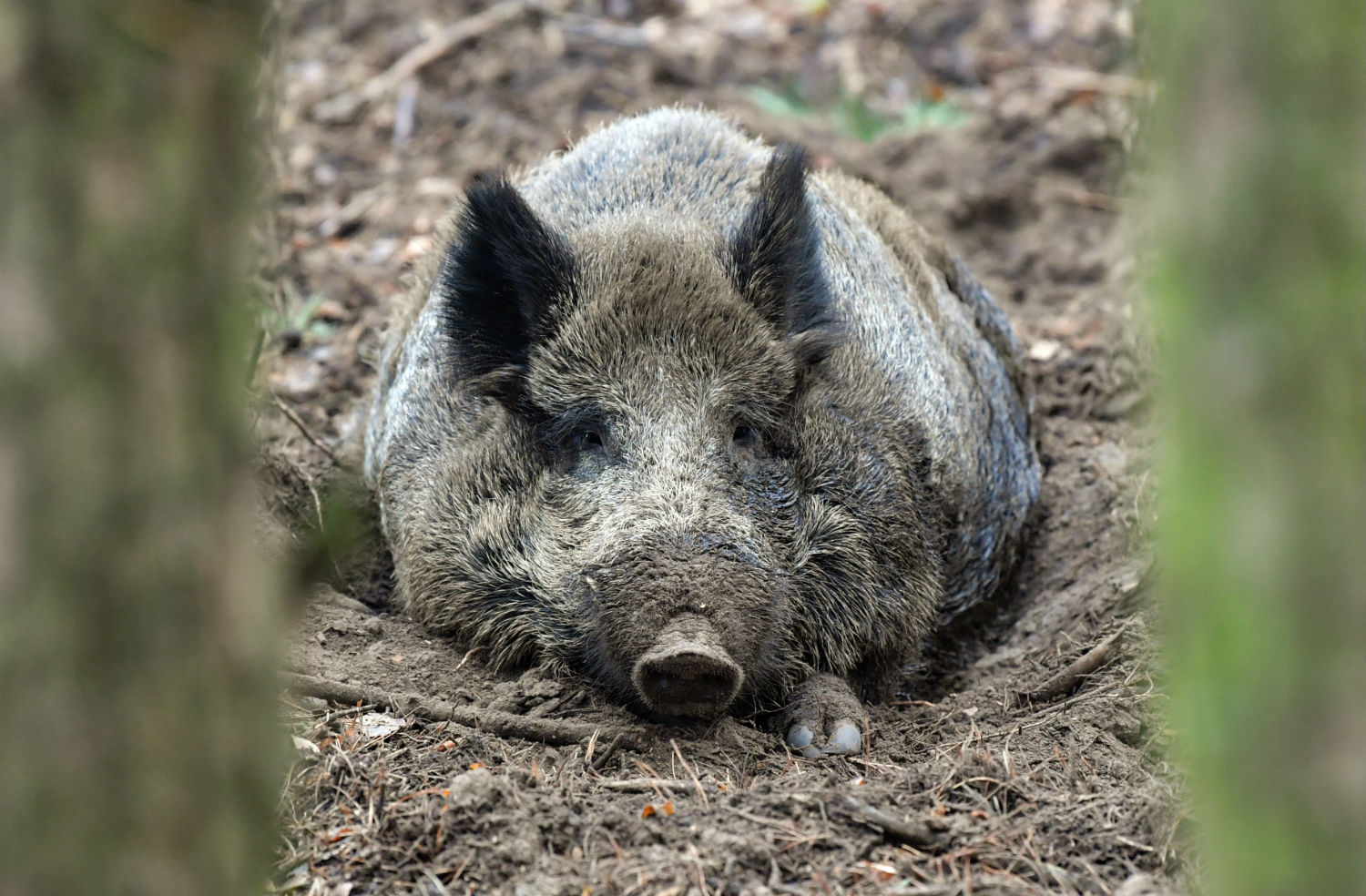
The ministry aims to standardise and harmonise wild boar population data nationwide, as these animals remain the primary reservoir for ASF.
The outbreak has already led Japan, the Philippines, Mexico, Malaysia, Taiwan and several other countries to suspend imports of Spanish pork. In total, more than 40 countries have imposed restrictions, posing a significant threat to a sector worth approximately €8.8 billion annually.
The creation of this high-level scientific committee is intended to accelerate the identification of the virus’s origin, assess the risk of further spread and provide expert recommendations for stabilising the situation.
PigUA.info based on Pig Progress