


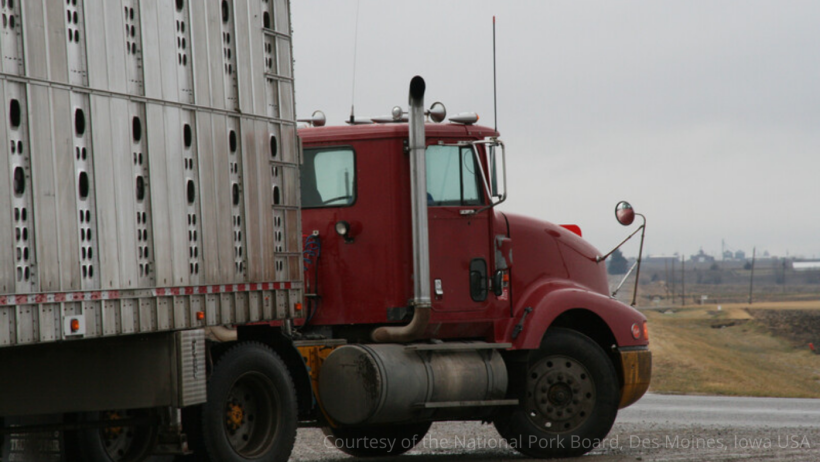
Stricter regulations on long-distance transport of live animals came into force in the Belgian region of Flanders on June 1. Under the new rules, the ban on transporting animals to distant destinations outside the European Union will now remain in place for three months, from June 1 to September 1.
Previously, the restrictions applied only during July and August. However, the Flemish government decided to extend the ban by an additional month because increasingly high temperatures are often recorded as early as June.
According to Flemish Minister for Animal Welfare Ben Weyts, recent years have shown that hot weather frequently arrives earlier in the summer, making it more difficult to guarantee adequate welfare conditions for animals during long journeys.
“Temperatures in June often already reach levels at which animal welfare cannot be properly guaranteed during long-distance transport,” the minister said.
The restrictions primarily target the transport of live animals from Flanders to distant countries outside the European Union. However, not all international animal transport is affected by the ban.
Exceptions apply to Norway, Switzerland, and the United Kingdom, where summer temperatures are generally less extreme. In addition, individual exemptions may be granted to transport operators using modern vehicles equipped with effective climate-control and cooling systems capable of maintaining safe temperatures throughout the journey.
The Flemish government noted that the restrictions introduced last year have already produced tangible results. Following the implementation of the July–August ban, the number of permits issued for long-distance live animal transport fell by 76.5% in 2025.
The tighter rules form part of a broader regional policy aimed at improving animal welfare standards. Flemish authorities emphasize that long-distance transport during periods of high temperatures remains one of the most significant risks to the health and welfare of farm animals, particularly on international routes covering large distances.
By extending the seasonal ban, the region seeks to reduce the risk of heat stress and other welfare-related problems while encouraging the adoption of advanced transport technologies for livestock movements.
PigUA.info, based on materials from pig333.com