

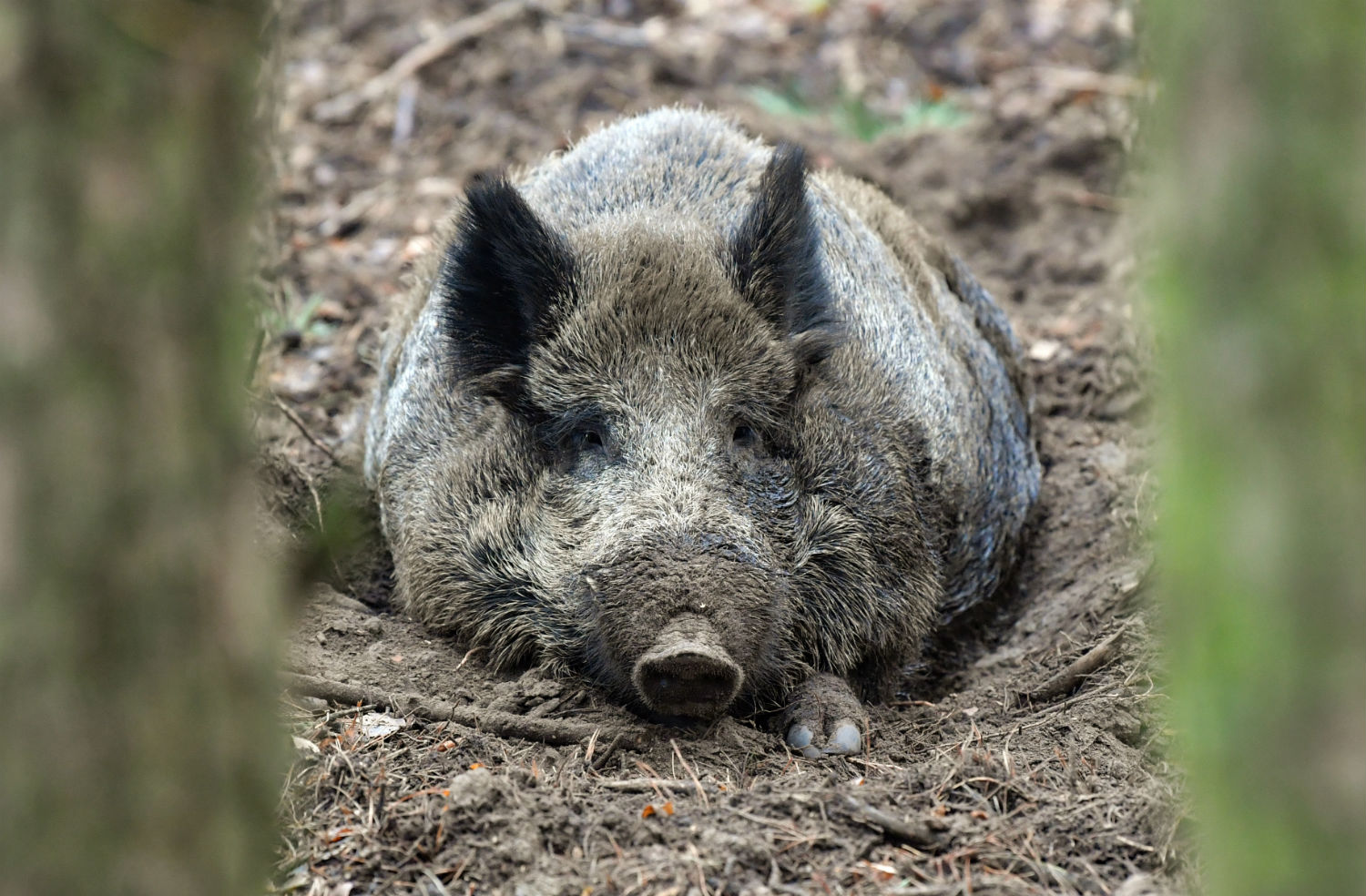
The new cases were reported by the Finnish Food Authority. The infected wild boar were found in the municipality of Virolahti in south-eastern Finland, close to the border with Russia.
African swine fever was confirmed in Finland for the first time in the country’s history in late July. The total number of positive cases among dead wild boar has now reached 14.
Following the discovery of the newly infected carcasses, the authorities decided to expand the restricted zone. A number of prohibitions and restrictions apply within the area, including limits on hunting and forestry activities.
The expansion became necessary after some of the new cases were detected outside the original core infection area.
The Finnish Food Authority also urged berry and mushroom pickers and other forest visitors to temporarily avoid the area even before the new boundaries of the restricted zone are finalised and an updated map is published.
According to Sirpa Kiviruusu, head of the Animal Health and Medication Unit at the Finnish Food Authority, there is a high probability that the infected wild boar may have entered Finland from Russia. However, this has not yet been officially confirmed.
The virus strain detected is the same as that previously identified in the Baltic countries and Central Europe.
Finnish authorities noted that there is currently no information available on the animal health situation on the Russian side of the border, as communication with Russian authorities was suspended following Russia’s full-scale invasion of Ukraine in 2022.
Around 400 volunteer hunters have already been trained in Finland to search for dead and potentially infected wild boar. They are taking part in field surveys, while samples are being collected from discovered animals for laboratory testing.
PigUA.info, based on materials from euractiv.com