


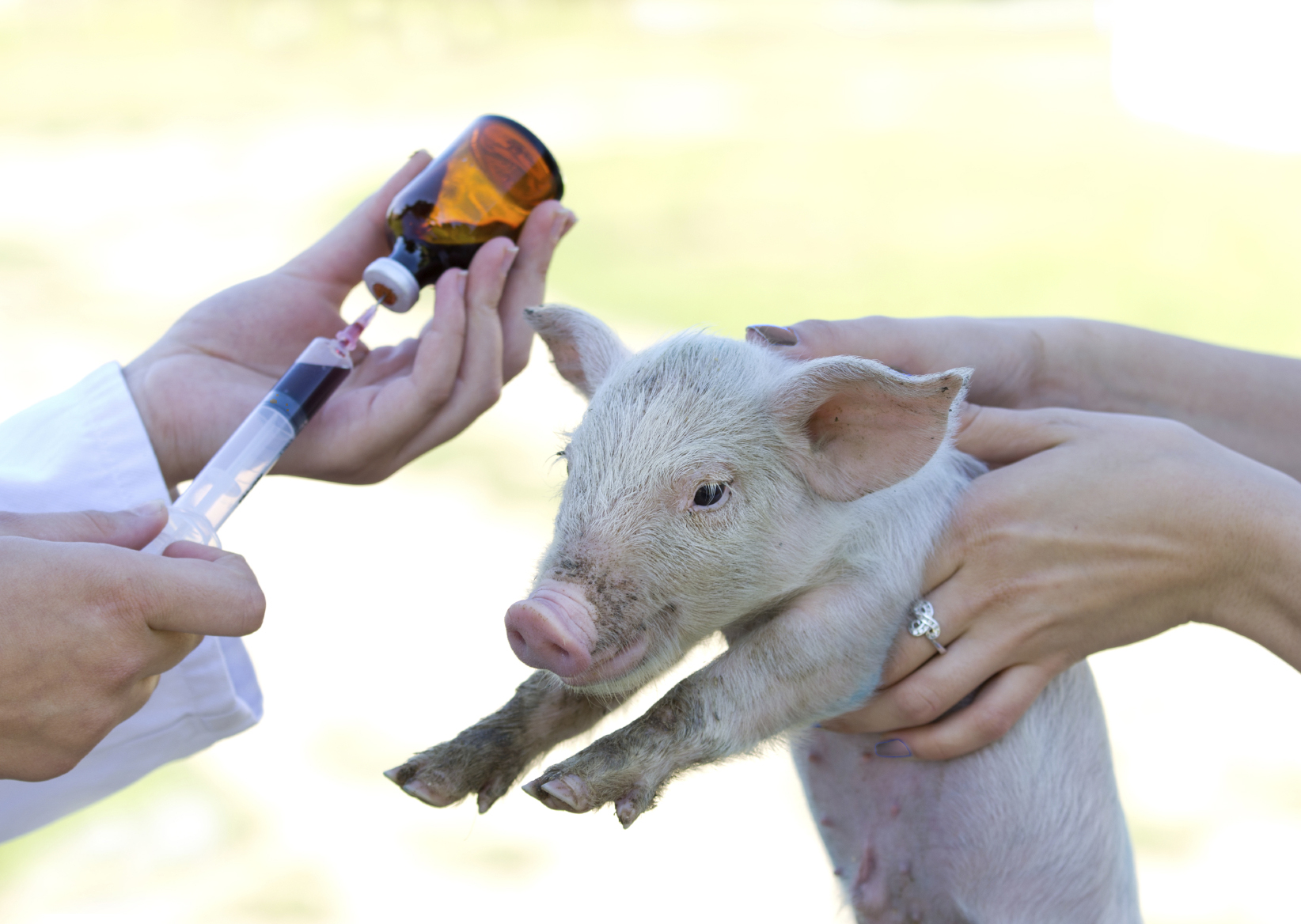
Dutch authorities attribute the long-term decline in antibiotic use to measures implemented by livestock sectors and veterinarians over the past 15 years. The aim is to reduce unnecessary and incorrect use of these medicines and, consequently, the risk of antimicrobial resistance.
According to the ministry, lower antibiotic use in animals has also been accompanied by a decline in antimicrobial resistance.
In the calf-rearing sector, average antibiotic use has remained stable for several years, while the number of farms with high use has not declined. As a result, the authorities and the sector have agreed to reduce the number of such farms by 50% by 2032 compared with the 2026 level.
A different trend has been observed in poultry production. In 2025, antibiotic use in broilers increased by almost 25% compared with 2024. Prior to this, the sector had managed to reduce use by around 80% from 2011 levels.
The poultry sector is now analysing the reasons for the increase and possible measures to return antibiotic use to lower levels.
Dutch authorities stress that further reducing antibiotic use in livestock farming remains a key priority for containing antimicrobial resistance and protecting both animal and human health.
PigUA.info, based on materials from 3tres3.com