
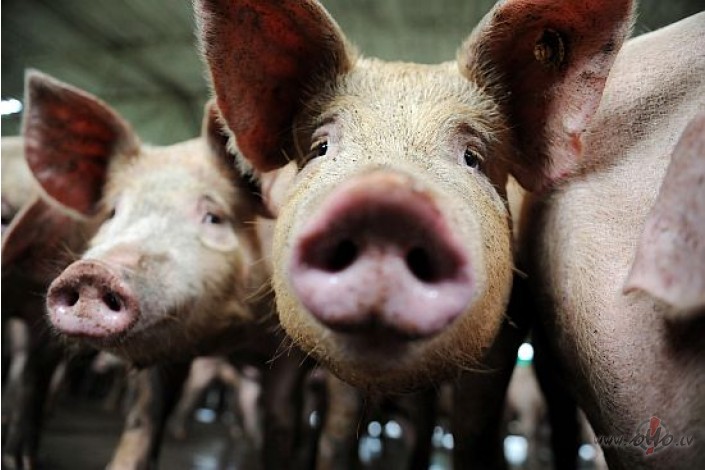
According to Dargiewicz, Poland’s pig sector is closely monitoring developments in Denmark, where the government is considering measures that could lead to lower pig production. Given Denmark’s role as one of Europe’s key suppliers of piglets and breeding animals, the consequences could extend far beyond the Danish market.
For Poland, the situation is particularly sensitive. The country’s sow herd has declined significantly in recent years, leaving producers increasingly dependent on imported piglets, especially from Denmark.
Dargiewicz warned that if the Polish authorities fail to respond to the risk of reduced supplies, the sector could find itself in a difficult position. For many years, the country has discussed the need to rebuild its sow herd, but practical measures have remained limited.
Poland Needs Its Own Breeding Base
The Polpig president stressed that the government’s strategy for rebuilding the pig sector, a draft of which was presented in June, should be translated into concrete support mechanisms as quickly as possible.
In his view, Poland needs a comprehensive state programme that would encourage new investment in pig production, provide financial support for establishing and expanding sow herds, and simplify administrative and construction procedures that currently hinder production growth.
More effective control of African swine fever should also remain a key priority, as the disease continues to pose risks to the Polish pig sector.
Polpig warns that without rebuilding its own reproductive base, Poland will remain vulnerable to changes in Denmark’s production and export policies. If supplies of Danish piglets decline significantly, this could jeopardise plans to restore Poland’s pig sector.
PigUA.info, based on materials from foodagribusiness.world