


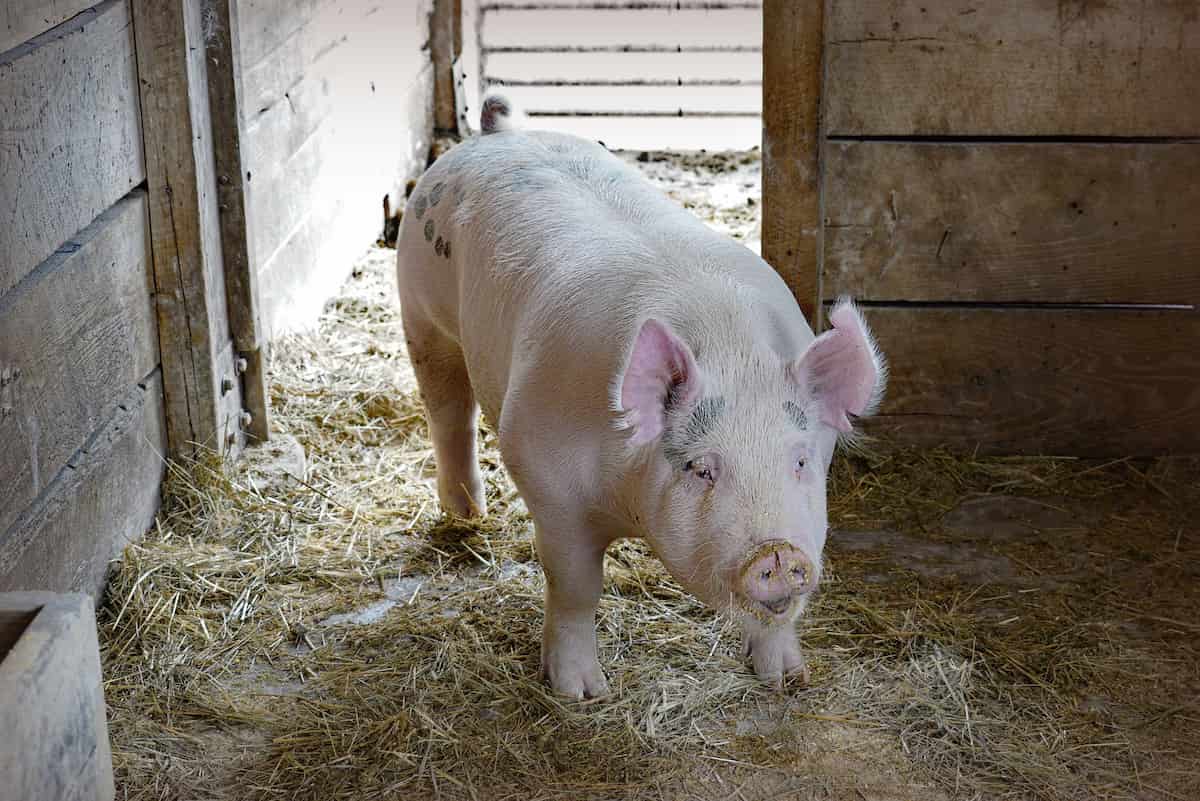
Thailand: risk to the domestic pork market
Thailand has signed a preliminary trade agreement with the US, which, according to industry estimates, could have serious negative consequences for the national pig industry. The pork market in the country is one of the key segments of the agri-food sector, with annual consumption estimated at approximately $3 billion.
According to Al Jazeera, the US government has sent a letter to Bangkok demanding that it allow the import of around 10,000 American goods, including pork, without applying import duties. Washington believes that this move will reduce the US trade deficit with Thailand, which stands at $45.5 billion. Donald Trump has repeatedly stated that he considers this imbalance unfair to American producers.
In addition, the US insists on removing ‘barriers’ for American food and agricultural products and accelerating access to meat on the Thai market. At the same time, the American side has set a 19% tariff on imports of Thai goods to the US.
The Swine Raisers Association of Thailand warns that domestic producers will not be able to compete with cheap American pork. Deputy Secretary General of the association Vorarut Siripoon noted that if the market is opened, many farmers will be forced to cease production.
According to him, the consequences will affect not only pig farmers, but also the entire production chain — feed crop producers, feed traders, feed mills and veterinary drug suppliers. ‘All participants in the industry will suffer,’ the professional community emphasises.
The political subtext of tariffs
Against the backdrop of trade negotiations in Thailand, political reservations are also being voiced. Some Thai politicians believe that US tariff policy could be used as a tool to pressure Bangkok into starting peace talks with Cambodia. Tensions between the two countries escalated again on 8 December after several weeks of mutual accusations, resulting in casualties and mass displacement of people from border areas.
North America: anxiety ahead of CUSMA review
Meanwhile, in North America, concerns are mounting over the planned July 2026 review of the Canada-United States-Mexico Agreement (CUSMA). Canadian producers fear that new tariffs or duties could be imposed on pork following the review.
Paul Marchand, a risk management analyst at HAMS Marketing Services, said that ‘the likelihood of a levy or tariff being imposed on pork after the agreement is reviewed is very high.’ This creates serious uncertainty for the export-oriented industry.
Manitoba Pork has expressed similar concerns. It emphasises that, despite the need to diversify markets, the United States remains a key market for Canadian producers. Each year, more than 3 million live pigs are exported from Manitoba to the United States for fattening.
If CUSMA protections are lost, these animals may be left without alternative markets, which would have serious economic consequences for rural communities and the entire province.
Global impact on the industry
The situation surrounding US tariff policy shows that Washington's trade decisions have far-reaching consequences for the global pig industry. For Thailand, there is a risk of destruction of the domestic market, and for Canada, there is a threat to the stability of the export model. In both cases, producers emphasise the need for predictable trade rules and protection of national agricultural sectors from sudden political decisions.
PigUA.info based on materials from pigprogress.net