

According to the country’s Ministry of Agriculture, an epidemiological investigation identified the ASF virus in feed ingredients and finished feed containing porcine plasma, a digestible protein source derived from pig blood.
Preliminary findings suggest that blood from an infected pig may have been mixed into the feed during production. As a result, authorities have decided to dispose of all suspected contaminated feed and recall more than 490 tons of products associated with the manufacturer involved.
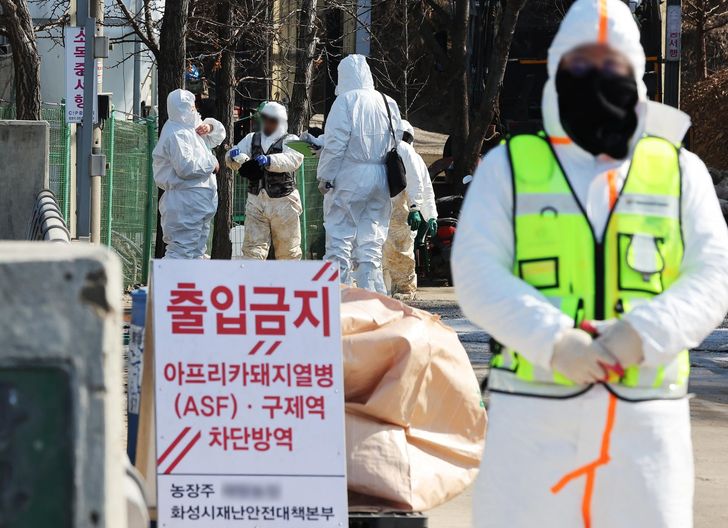
The strengthened control measures come amid a sharp increase in ASF outbreaks in the country. Since the beginning of the year, 22 cases of the disease have already been recorded in South Korea, marking a yearly high in less than three months. By comparison, a total of 17 outbreaks were confirmed during 2024–2025 combined.
Quarantine authorities are also conducting a third round of nationwide inspections of pig farms, which will continue until the end of the week. In addition, daily blood tests of pigs slaughtered at 64 slaughterhouses across the country have been introduced to ensure rapid detection of possible infections.
Authorities emphasize that tightening biosecurity measures is aimed at preventing further spread of the virus and stabilizing the epidemiological situation in the country’s swine sector.
PigUA.info based on materials from koreatimes.co.kr