


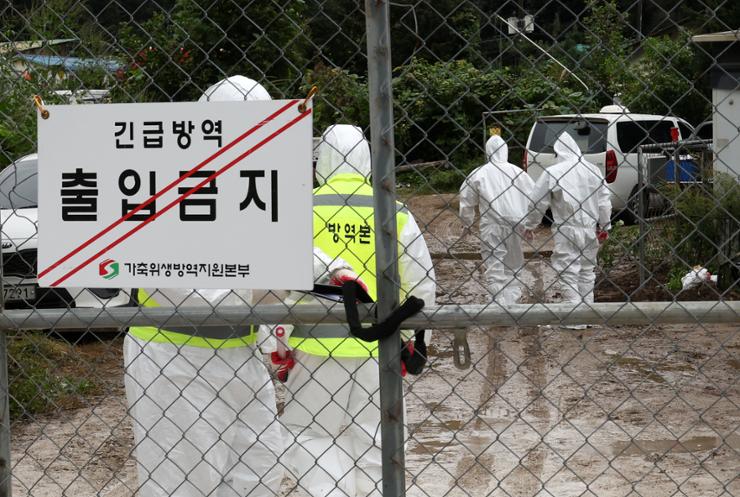
South Korea has recorded 24 confirmed cases of African swine fever (ASF) since the beginning of 2026. The Ministry of Agriculture, Food and Rural Affairs reported the figures, emphasizing the need for continued efforts to prevent further spread of the disease.
The cases were registered between January 16 and March 16 across seven provinces, including Gyeonggi, Gangwon, South Chungcheong, South Jeolla and South Gyeongsang. No additional outbreaks have been reported since mid-March.
According to the ministry, three cases were linked to strains previously circulating within the country, while 21 cases were caused by strains of external origin. This indicates ongoing risks of virus introduction from abroad.
An additional concern is the detection of ASF genetic material in six samples of undeclared livestock products that were illegally brought into the country, suggesting possible pathways for contamination.
Some outbreaks on farms in northern regions, particularly in the cities of Pocheon and Yeoncheon, were attributed to transmission from wild boars, which remain an important reservoir of the virus.
Despite the stabilization of the situation, authorities lifted movement restrictions for affected facilities on April 22, while maintaining a heightened alert level in 32 cities and counties considered at higher risk of new cases.
Overall, although the spread of ASF in South Korea has been contained for now, authorities continue to monitor the situation closely, focusing on external risks and the need to strengthen biosecurity.
PigUA.info, based on koreatimes.co.kr