


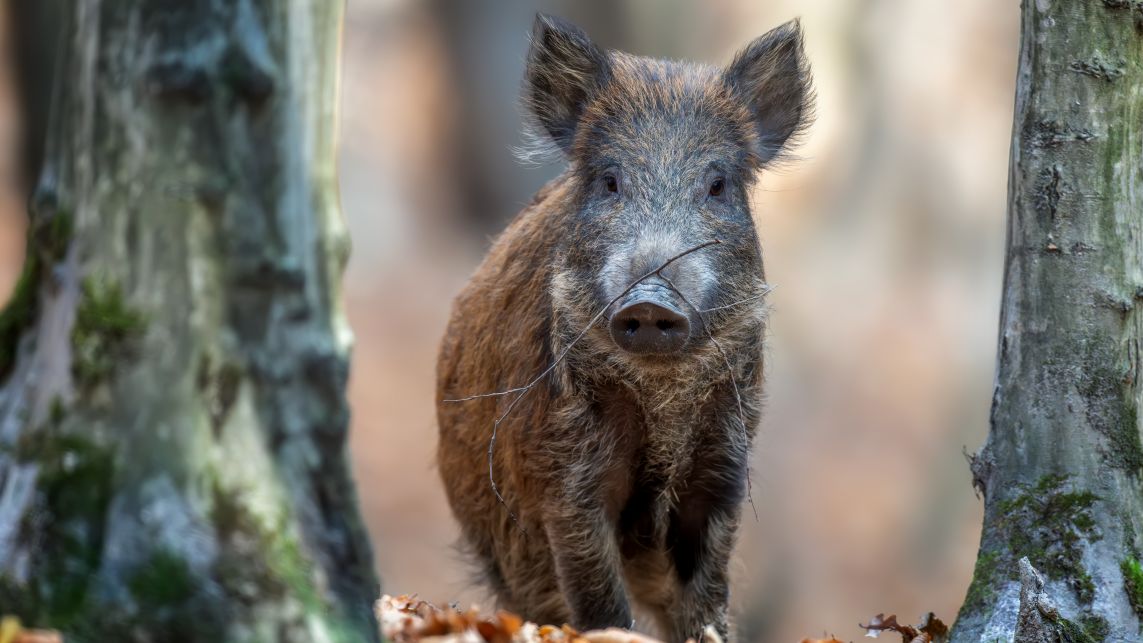
The Catalan Department of Agriculture reported that most of the new cases were detected within the high-risk zone. Only one infected wild boar was found outside this area, in the municipality of Sant Just Desvern.
As a result, authorities decided to expand the list of territories classified as high epidemiological risk. The municipalities of Sant Just Desvern and Esplugues de Llobregat in the Baix Llobregat area have now been added to the high-risk zone. This brings the total number of municipalities included in the high-risk area to 18, including the Barcelona enclave.
The extension means temporary restrictions on access to natural areas, including recreational activities, in order to strengthen biosecurity measures and prevent further spread of the virus.
Overall, since the first ASF case was confirmed on November 28, a total of 216 infected wild boars have been detected in the region. At the same time, veterinary services have tested 1,708 additional animals, all of which were negative.
The Catalan government continues to deploy additional personnel, logistics, and resources to implement the disease eradication plan in the affected area. The emergence of new cases in the southern part of the Collserola mountain range has required intensified control measures in the high-risk zone.
The previously implemented strategy of establishing a perimeter and isolating infected areas from neighboring territories has proven effective in containing the spread of the virus.
Since the beginning of the year, 18,913 wild boars have been removed in Catalonia, excluding animals culled within the infected zone. Over the last four weekends alone, 85 organized hunting drives were conducted, resulting in the culling of nearly 400 wild boars. On average, more than 600 hunters and around 50 hunting dogs participate in these operations each weekend.
PigUA.info based on materials from ecomercioagrario.com