
This is outlined in the annual 2024 Summary Report on Antimicrobials Sold or Distributed for Use in Food-Producing Animals, compiled on the basis of mandatory reporting by veterinary drug sponsors under U.S. federal law. The published data represent a clear departure from the trend of previous years: since 2017, antimicrobial sales in the U.S. had remained relatively stable.
At the same time, the FDA emphasizes that even with the increase recorded in 2024, total antimicrobial sales remain well below historical highs. Compared with the peak levels seen in 2015, sales in 2024 are still 27% lower.
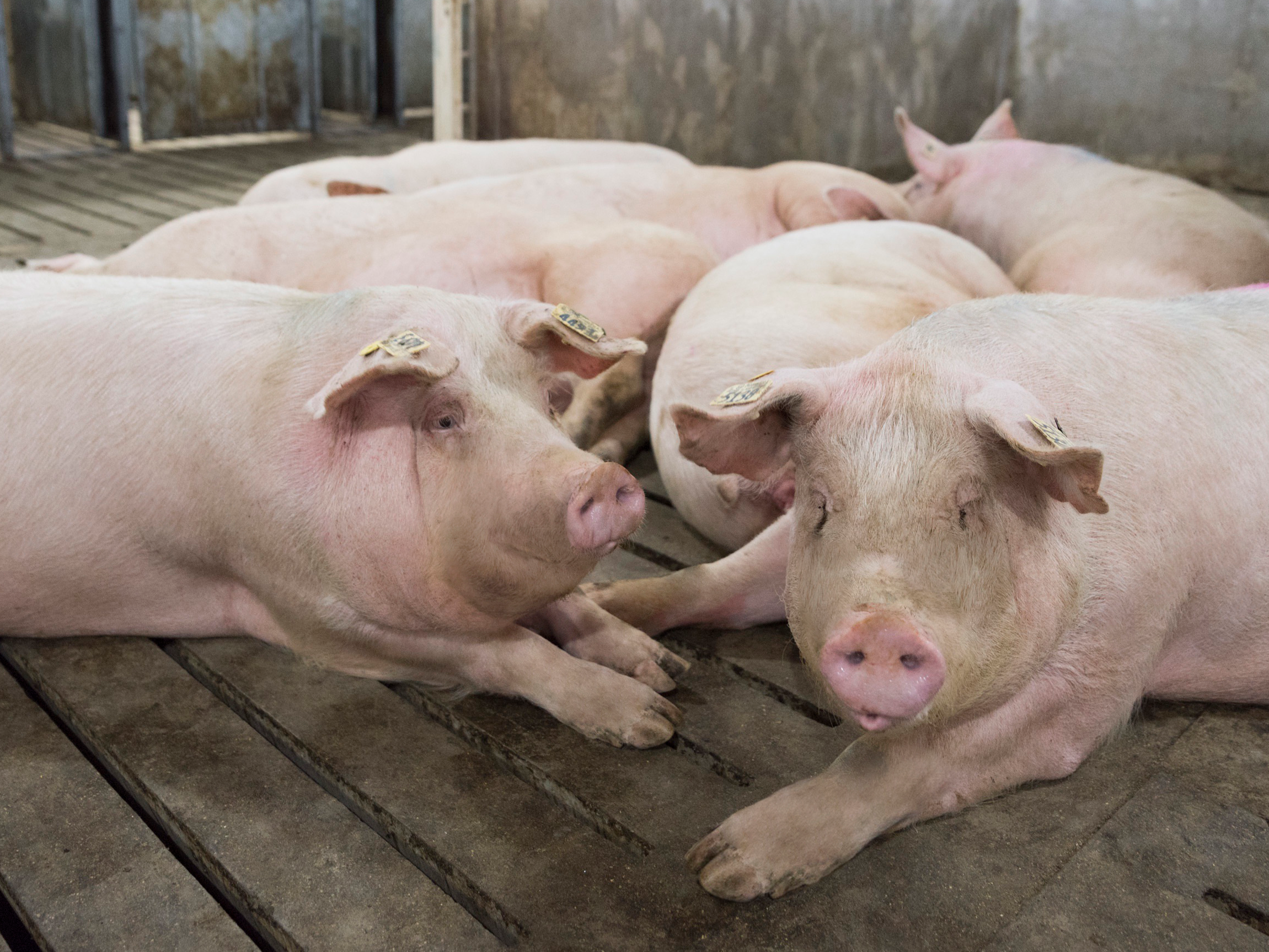
The report also highlights trends in the swine sector. Sales of antimicrobial drugs intended for use in pork production increased by 13% in 2024. This suggests a higher demand for veterinary medicines in the sector, potentially linked to changes in animal health conditions, herd structures, or production practices.
The FDA notes that fluctuations in antimicrobial sales volumes can be driven by a range of factors, including changes in animal health needs, livestock populations, housing systems, and production models. At the same time, the regulator cautions against directly equating sales data with actual use.
“Sales data do not reflect the amount of antimicrobials ultimately administered to animals. They only represent the volume of products sold or distributed,” the report states.
The release of these data comes amid growing global attention to the issue of antimicrobial resistance. The increase in sales of medically important antibiotics for food-producing animals may intensify discussions about the effectiveness of current antimicrobial stewardship approaches and the need for further improvements in monitoring systems and biosecurity practices in livestock production.
PigUA.info, based on pig333.com