
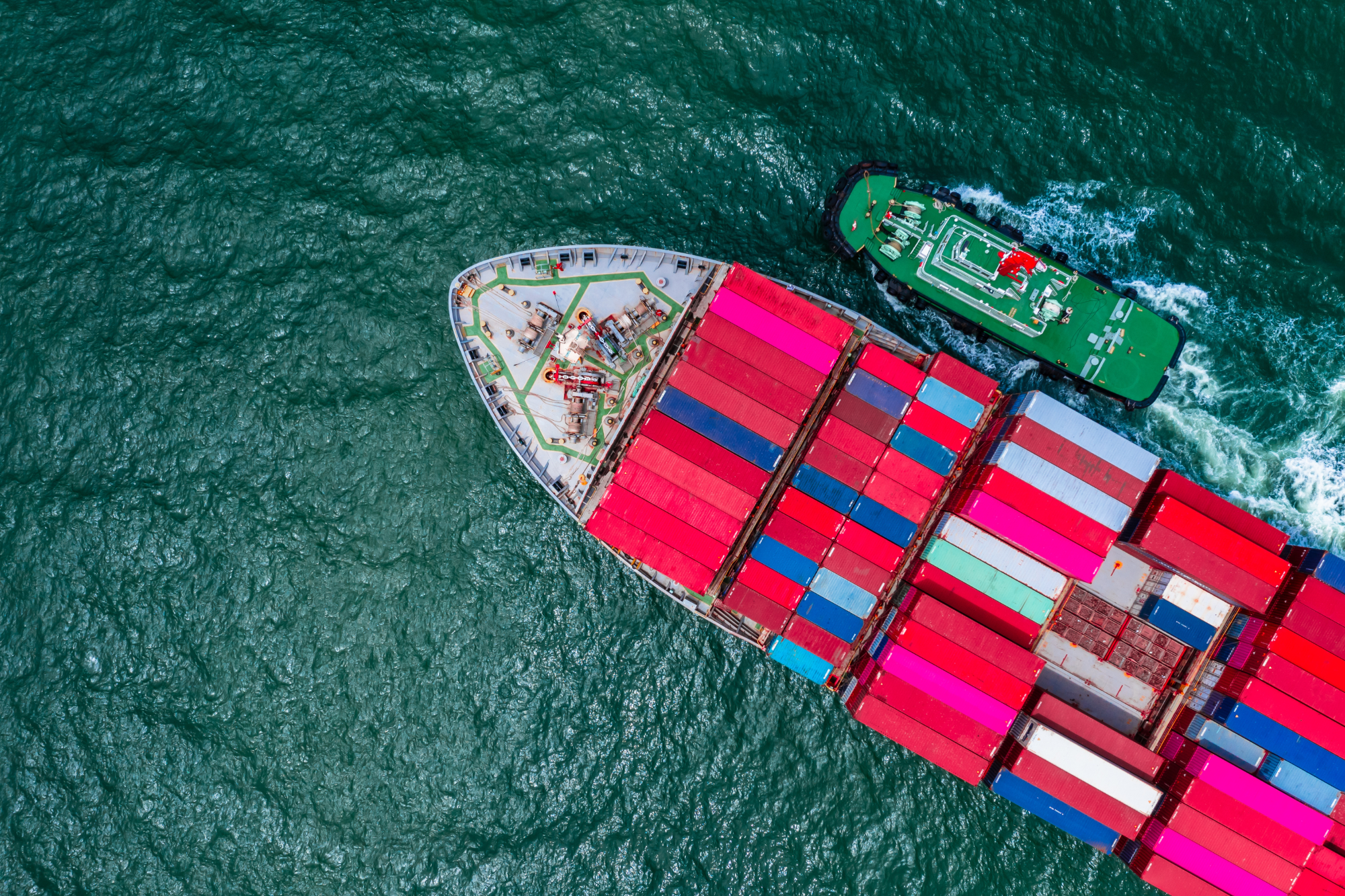
Over the next two years, the EU plans to increase audits in non-EU countries by 50%, while maintaining the current level of inspections within the Union. The number of audits at EU Border Control Posts will also rise by 33%, ensuring that Member States carry out checks in full compliance with EU rules.
The Commission announced plans to intensify monitoring of commodities and countries previously found to be non-compliant, with inspection frequency adjusted according to risk level.
A dedicated EU Task Force will be created to strengthen the effectiveness of import controls, focusing on:
- monitoring pesticide residues,
- food and feed safety,
- compliance with animal welfare requirements.
The Commission is also considering coordinated EU-wide monitoring campaigns targeting selected imported products.
Around 500 staff members of national competent authorities will undergo specialised training on official controls as part of a dedicated EU programme.
In addition, the EU will update import rules for products that may contain traces of hazardous pesticides banned within the Union, reflecting recent changes to international standards.
The Commission emphasised that ensuring food safety is one of the EU’s core priorities. All live animals, food and feed, plants and plant products entering the EU must meet stringent sanitary, phytosanitary and animal welfare requirements.
Member States are responsible for carrying out border inspections, while the European Commission conducts audits in third countries to verify that their oversight and production systems meet EU expectations.
Commissioner Olivér Várhelyi stressed:
“Protecting the safety of the food consumed in the EU is one of my key responsibilities. This applies not only to products made within our Union but also to those we import.”
He added that as the world’s largest food-trading bloc, the EU must ensure that every animal, plant or food product arriving from abroad meets the highest health and safety standards.
“Today’s measures will further strengthen and modernise our already robust system of official controls — for the benefit of EU citizens, farmers and businesses,” Várhelyi said.
The new rules are expected to move the EU toward an even more resilient, secure and transparent system of import inspections, shaping requirements for all countries exporting agri-food products to the Union.
PigUA.info based on materials from thepigsite.com