


Research conducted with the participation of scientists from INRAE, Anses and other European institutions shows that the Barcelona strain (Sp25) belongs to genotype II — the dominant genotype in the current global epizootic. However, due to its unique genetic characteristics, it has been classified as a new genetic group.
Genome analysis revealed a significant deletion of approximately 10,000 base pairs, along with more than 20 single nucleotide mutations compared to the “baseline” Georgia 2007 strain. According to researchers, these changes could have accumulated over a period of 10–15 years, pointing to a long phase of viral evolution outside the scope of surveillance systems.
Despite assumptions about potentially lower virulence due to these genetic changes, researchers emphasize that there is currently no sufficient evidence to consider this strain less dangerous. It is known to be lethal for wild boar, and the disease pattern is consistent with typical ASF outbreaks observed in Europe.
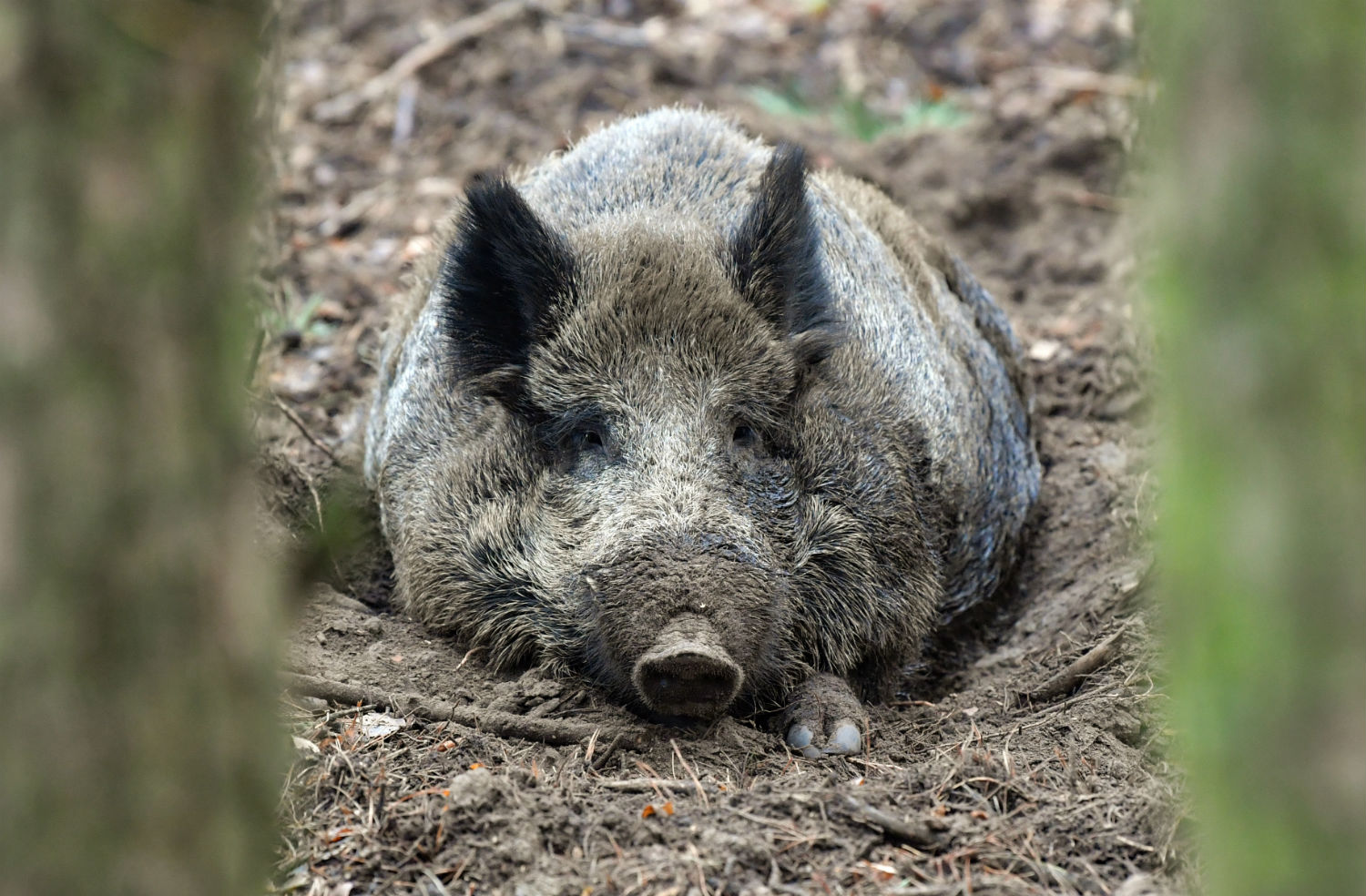
Particular attention has been given to the dynamics of virus spread. Analysis of cases in wild fauna suggests that the virus may have been circulating for several months before its official detection, likely since autumn. The initial phase was characterized by slow spread, followed by a more intensive stage — a pattern typical of ASF outbreaks in Europe.
Scientists stress that the emergence of new genetic variants of the virus highlights the need to strengthen epizootic surveillance, particularly in wild fauna, as well as to expand genetic sequencing programs.
These findings provide new insights into the evolution of the ASF virus and underline the complexity of controlling the disease, especially at the wildlife–livestock interface.
PigUA.info based on materials from pig333.com