

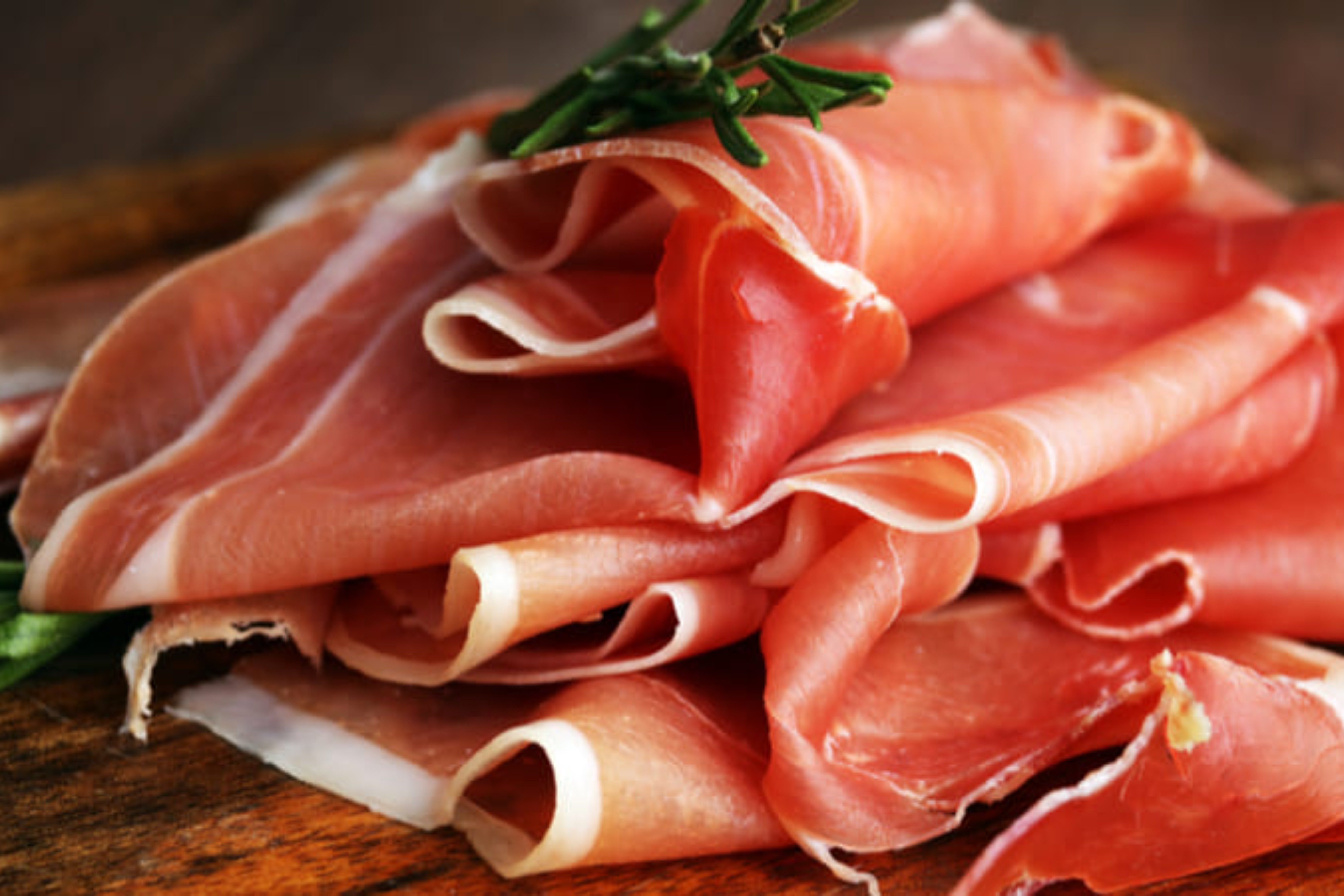
According to Spain’s Ministry of Agriculture, Fisheries and Food (MAPA), Chile has authorised the import of Spanish pork products produced from 4 December onwards, provided they originate from zones officially designated as ASF-free.
Spain reported its first ASF cases in 31 years at the end of November, when the virus was detected in two wild boars in the province of Barcelona. To date, 13 cases have been confirmed in wild fauna, and authorities continue to actively work to contain the spread of the infection.
What is permitted for export:
- Pork products produced before 28 October may be imported into Chile without restrictions;
- Products produced from 4 December onwards, provided they come from ASF-free zones.
What remains banned:
- Fresh meat and other meat products produced between 28 October and 3 December, unless they have undergone specific ASF risk-mitigation treatment.
Chile is an important trading partner for Spain, importing approximately €20 million worth of Spanish pork annually. The partial reopening of the market is an important step toward stabilising exports following a series of bans imposed after the outbreak in Catalonia.
The sector hopes that Chile’s decision will encourage other countries to review their restrictions and accept regionalisation, in order to avoid a complete halt in trade with Spain.
PigUA.info, based on euromeatnews.com