


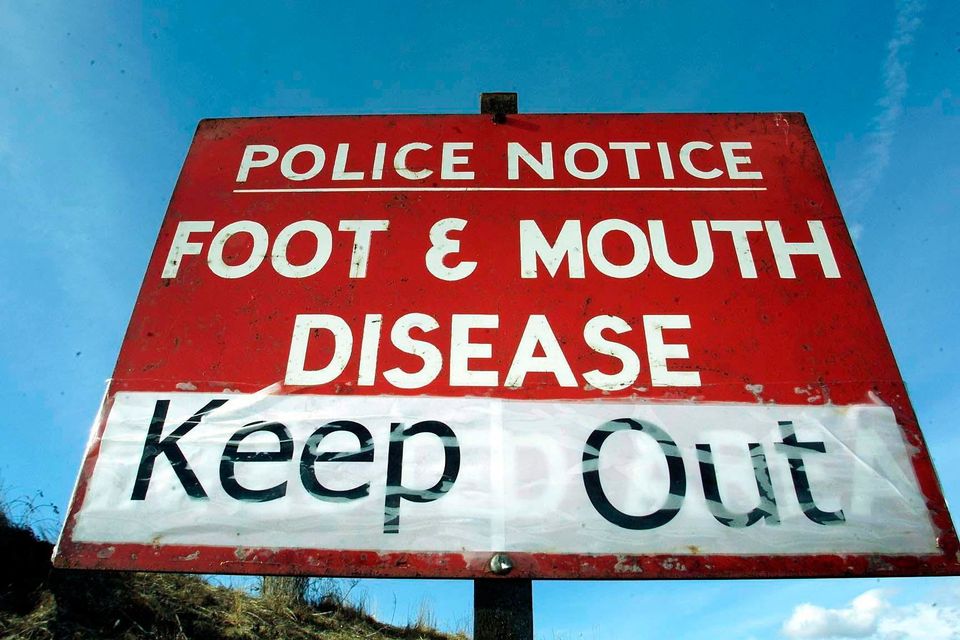
Vietnam’s Ministry of Agriculture and Environment has called on local authorities to strengthen disease surveillance and control measures in response to the heightened risk of the SAT1 serotype entering the country.
Foot-and-mouth disease remains one of the most dangerous infectious livestock diseases, capable of spreading rapidly among cattle, buffaloes, pigs, sheep, and goats. Seven serotypes of the virus are currently known: A, O, C, Asia1, SAT1, SAT2, and SAT3. In Vietnam, serotypes O, A, and Asia1 have previously been detected, with serotype O remaining the most prevalent.
Particular concern surrounds the SAT1 serotype, which has traditionally been confined mainly to Africa but has recently begun spreading to other regions of the world. Since March 2025, outbreaks caused by this strain have been reported in Iraq and several countries in the Middle East and West Asia.
In early April 2026, China reported its first cases of SAT1 foot-and-mouth disease in cattle in Gansu and Xinjiang provinces, significantly increasing concern among neighboring countries in the region.
Although SAT1 has not yet been detected in Vietnam, the Ministry considers the risk of its introduction to be very high. Illegal cross-border movement and trade of animals are viewed as the primary pathways for potential introduction.
An additional challenge is that the FMD vaccines currently used in Vietnam provide protection only against serotypes O, A, and Asia1 and are not effective against SAT1.
In response, the Ministry of Agriculture and Environment has instructed local authorities to strengthen epidemiological surveillance, ensure early detection of suspected cases, tighten controls on animal transportation and slaughter, and intensify awareness campaigns on biosecurity practices in livestock production.
Specialized agencies have also been tasked with developing contingency plans for a potential introduction of the new serotype, implementing targeted monitoring for SAT1, and preparing for the possible importation of appropriate vaccines in the event of an emergency.
Experts note that the emergence of SAT1 in Asian countries presents new challenges for the region’s livestock sector, while timely preventive measures and strong biosecurity remain the most effective tools for preventing the spread of the disease.
PigUA.info, based on materials from 3tres3.com