

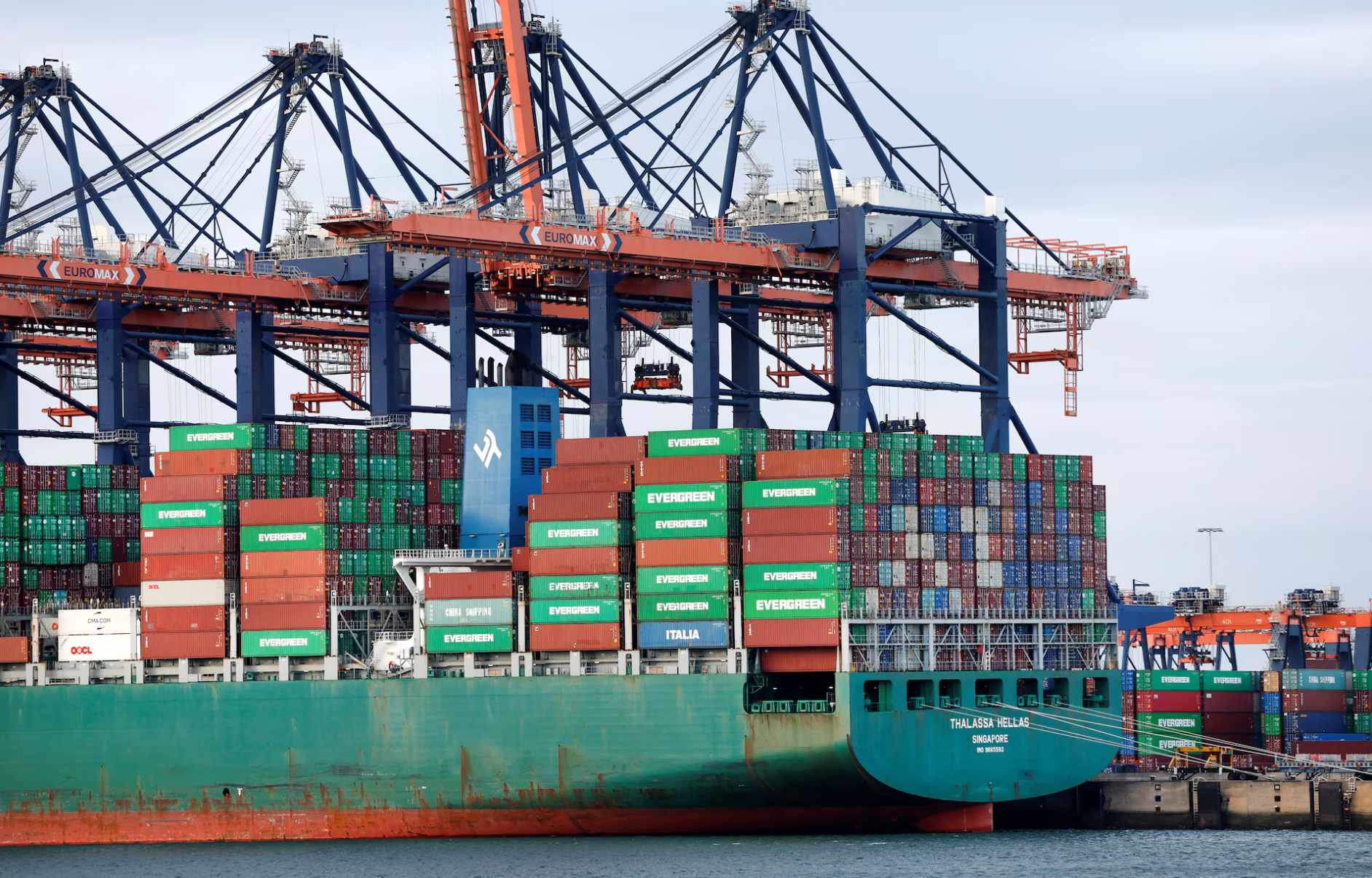
The European Parliament adopted two regulations aimed at further deepening trade relations between the European Union and the United States.
The main regulation removes tariffs on all US industrial goods and provides preferential access to the EU market for a wide range of American agri-food products and seafood.
A second regulation extends the tariff-free import regime for American lobster into the EU. In addition to live and fresh lobster, the measure now also covers processed lobster products.
Both legislative acts were previously agreed upon by negotiators from the European Parliament and the Council of the European Union. During the finalization process, several provisions were added to strengthen the protection of European producers’ interests.
Agreement Limited in Time
One of the key changes is the introduction of a so-called sunset clause.
Under this provision, the regulation covering industrial and agri-food imports will remain in force until 31 December 2029. By 30 June 2029, the European Commission must conduct a comprehensive assessment of the impact of the new trade arrangements on EU industry, agriculture, and small and medium-sized enterprises, as well as evaluate changes in trade flows with third countries.
Based on the findings, the Commission may propose extending the regulation.
Safeguards for the EU Market
The legislation also strengthens the European Commission’s ability to temporarily suspend tariff preferences.
Such action may be taken if the United States fails to address EU concerns regarding the tariff treatment of European exports that, until 24 February 2026, benefited from a maximum all-inclusive tariff rate of 15%.
In addition, the parties agreed to establish a dedicated safeguard mechanism for situations where tariff preferences granted to the United States result in a surge of imports that threatens to cause serious harm to specific sectors of the EU economy, including agriculture.
If such risks arise, the European Commission will be able to initiate an investigation on its own initiative or based on information submitted by one or more Member States or by the European Parliament.
Furthermore, the Commission will submit quarterly reports to the European Parliament and the Council of the EU on changes in the volume and value of US exports covered by the legislation.
Specific conditions were also introduced regarding tariff reductions on certain steel and aluminium products.
Next Step: Approval by the Council of the EU
Following approval by the European Parliament, the texts must now receive formal endorsement from the Council of the European Union.
The new legislation will enter into force on the day following its publication in the Official Journal of the European Union.
Experts note that the adopted measures could contribute to further expanding trade between the world’s two largest economies. At the same time, the safeguard mechanisms are expected to help minimize risks for European producers, particularly within the agri-food sector.
PigUA.info, based on materials from 3tres3.com