


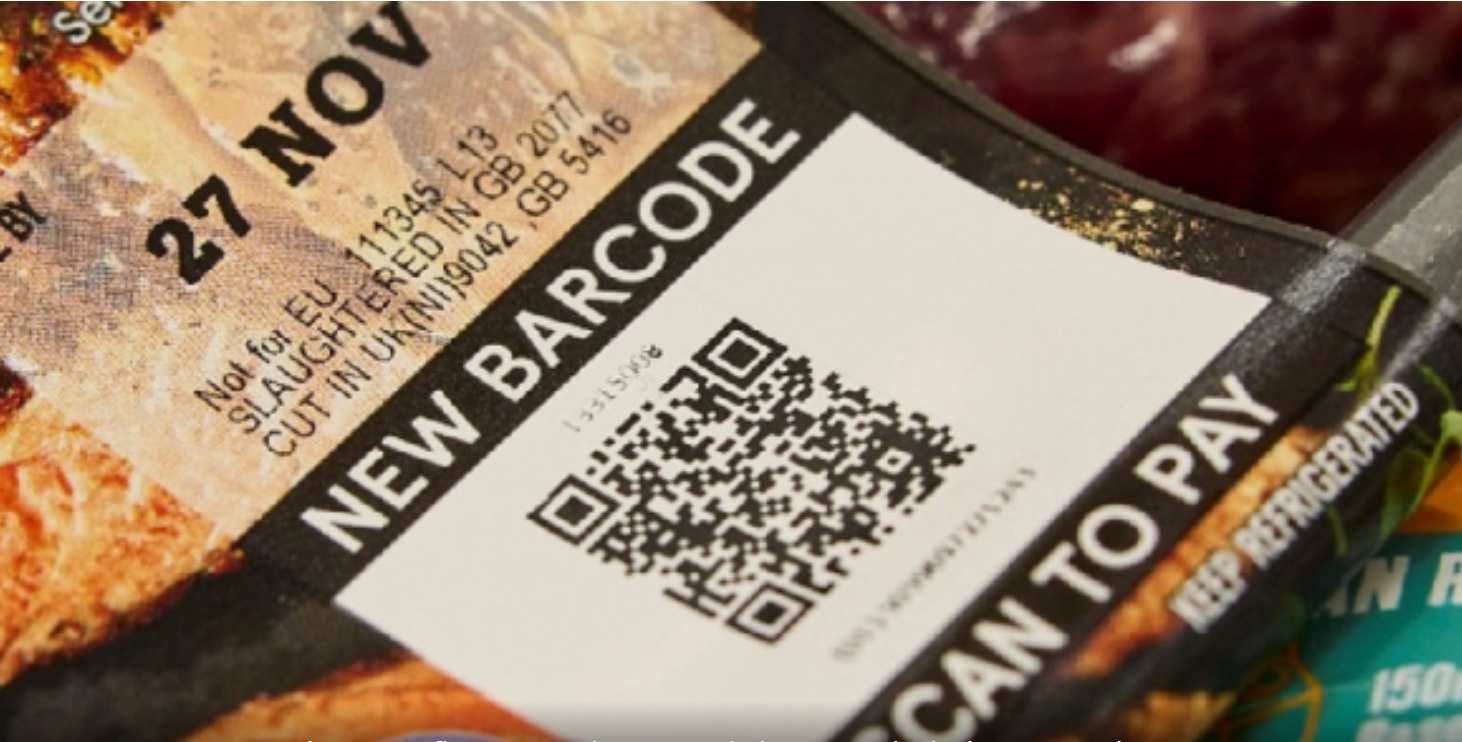
This week, Tesco began rolling out the new scanning system across its core private-label sausage line. Unlike linear barcodes, QR codes can store significantly more information, opening up new opportunities for both retailers and consumers.
In particular, shoppers will be able to access extended product information — from nutritional value to origin and traceability — as well as recipes and promotional offers via their smartphones. For retailers, this means more accurate stock management, improved shelf-life control, and reduced waste.
Another key advantage is the ability to carry out targeted product recalls: instead of removing entire product batches, retailers can identify specific affected lots, block their sale at checkout, and even notify customers who have purchased them.
The transition is being implemented in partnership with supplier Cranswick and covers 13 product lines, including various pork sausages and sausage meat. The move is part of a global shift led by GS1, the organization responsible for barcode standards, which is encouraging the industry to prepare for widespread adoption of QR codes.
Tesco emphasizes that the change will be almost invisible to customers at checkout, but in the long term it will enable new digital tools to help manage purchases and reduce food waste.
Thus, Tesco’s move signals the beginning of a broader transformation in retail, where QR codes may become the new standard for interaction between producers, retailers, and consumers.
PigUA.info based on euromeatnews.com