


According to La Vanguardia, following confirmation of the first two cases, 12 additional wild boar carcasses were found over the weekend near Barcelona, in the Cerdanyola del Vallès area. If laboratory tests confirm infection, the total number of affected animals will rise to 14.
Drones, infrared cameras and sniffer dogs deployed
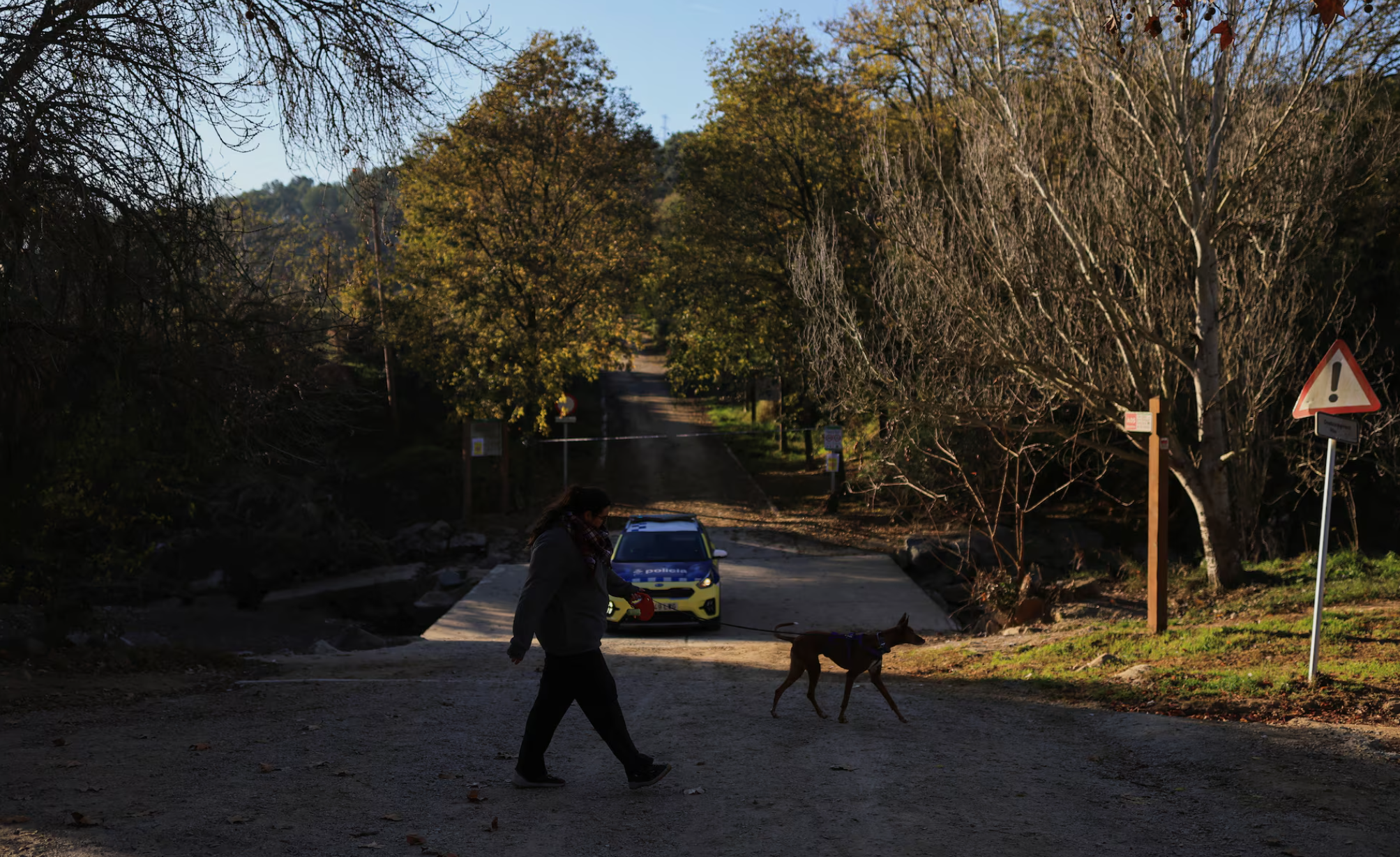
Field teams are using drones, infrared technology and sniffer dogs to locate carcasses and track possible pathways of virus spread. Access to the popular Collserola Park has been restricted, warning signs have been posted, and police are turning visitors away. Local residents have been told to keep dogs on leads and report any wild boar activity.
Underpasses, technical tunnels and other passages beneath highways that could allow wild boar to move between areas are being sealed to prevent further ASF transmission.
Farms tighten biosecurity: testing, restrictions and disinfection
According to Interporc, commercial farms have reinforced their already strict disease-prevention protocols, including:
- quarantine and testing of incoming animals;
- full perimeter fencing and bird-proof nets;
- regular disinfection of facilities and water systems;
- restricted access and mandatory protective clothing for staff;
- strict control and proper storage of semen samples.
All 39 farms in the risk zone have been inspected by government veterinarians — no positive cases have been found.
Export shock: one-third of certificates blocked
The initial ASF cases triggered an immediate reaction from importing countries. Agriculture Minister Luis Planas announced that around one-third of Spain’s 400 export certificates have been suspended.
Restrictions have already been imposed by:
- the United States, Canada, Mexico, Japan, the Philippines, South Africa, Thailand, Chile, Colombia, Brazil and others — nearly 40 countries in total;
- China, which now allows imports only from regions unaffected by the outbreak after clarifying the regionalisation protocol;
- the United Kingdom, which temporarily halted pork imports from Catalonia.
Within the EU, the principle of regionalisation applies: restrictions are limited to farms within a 20 km radius of the outbreak.
Reinforcements: 400 Catalan officers and 117 military personnel
Catalonia has requested military assistance for outbreak control. Currently deployed in the region are:
- 400 Catalan police officers and rural wardens;
- 117 members of the military emergency unit equipped with drones to locate carcasses.
A 6-km exclusion zone has been established around the outbreak site, and public access is prohibited.
Likely source: human activity
Catalan agriculture minister Óscar Ordeig said the most probable source of infection was a wild boar consuming contaminated food waste.
“Most likely, contaminated cold cuts or a sandwich thrown into a bin were eaten by a wild boar,” the minister said.
Authorities suspect human involvement, as no ASF-positive animals have been found elsewhere in Catalonia or neighbouring France.
Economic risks: 400,000 jobs at stake
Spain’s pork industry is among the largest in Europe:
- €25 billion in total revenue,
- €8.8 billion in pork exports,
- 400,000 jobs.
Professor Christian Gortázar emphasised the severity of the threat:
“Losing Spain’s ASF-free status is an extremely serious risk to the economy and to hundreds of thousands of jobs.”
Spain aims to contain the outbreak — but more cases expected
Authorities warn that additional ASF cases among wild boar are likely, given the virus’s high environmental resilience and rapid transmission.
So far, no domestic pigs in Spain have tested positive — and protecting the commercial herd remains the country’s top priority.
PigUA.info based on Reuters