

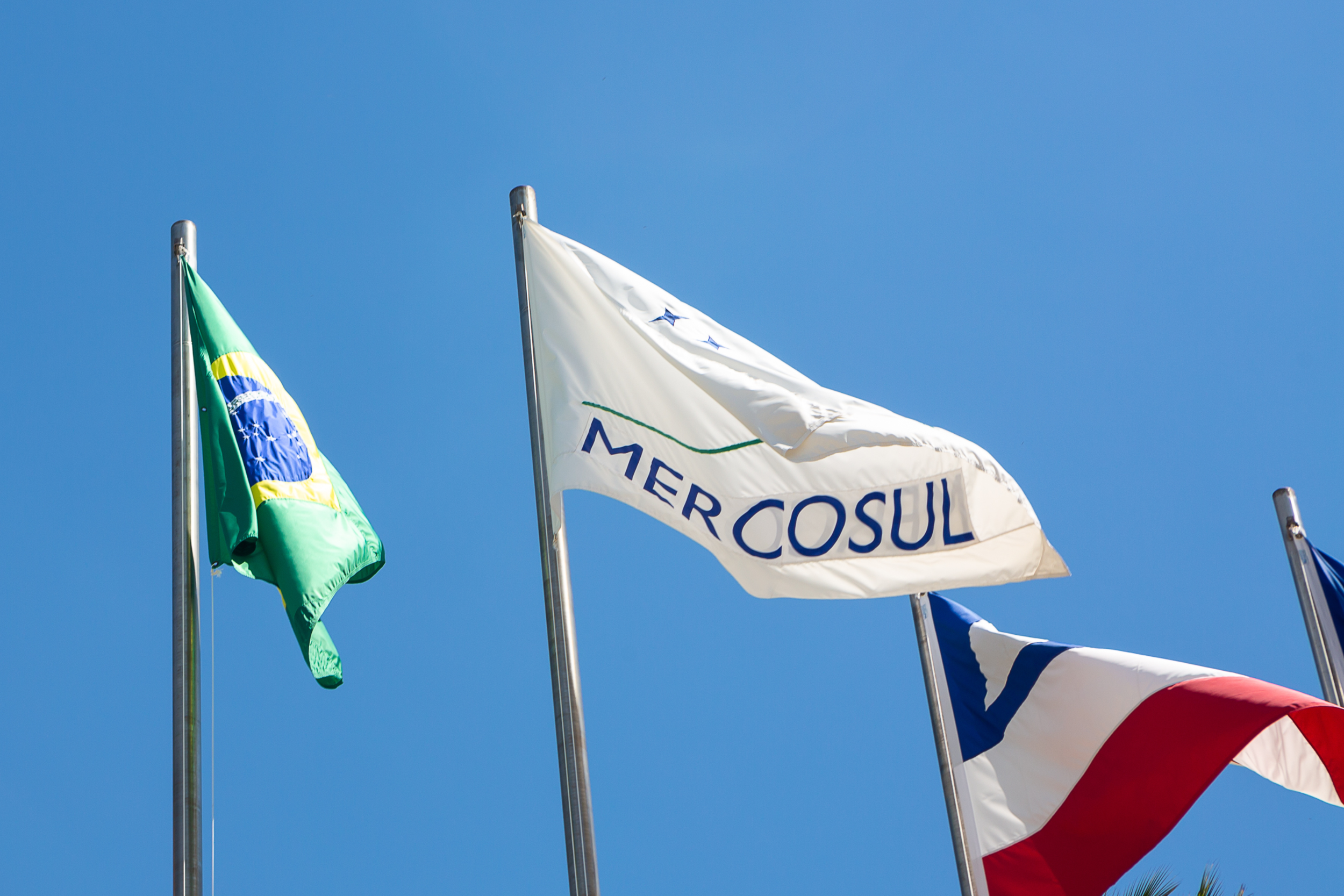
The European Commission announced its intention to move forward with provisional application after Argentina and Uruguay ratified the agreement, while Brazil and Paraguay are expected to do so in the near future.
Normally, the EU waits for full approval of free trade agreements by member state governments and the European Parliament. However, last month EU lawmakers voted to challenge the agreement in the EU’s top court, which could delay its full implementation by around two years. Despite this, the parties may begin reducing tariffs and applying parts of the deal before all procedures are completed.
The trade agreement with Argentina, Brazil, Paraguay, and Uruguay was concluded in January after nearly 25 years of negotiations. It is estimated that the deal could eliminate around €4 billion in duties on EU goods exports, making it the EU’s largest free trade agreement in terms of potential tariff reductions.
Germany and Spain, which support the agreement, consider it essential for offsetting business losses caused by US trade tariffs and for reducing dependence on China for critical minerals. Meanwhile, opponents led by France — the EU’s largest agricultural producer — argue that the agreement could significantly increase imports of cheaper beef, sugar, and poultry, putting additional pressure on European farmers.
European Commission President Ursula von der Leyen stated that the agreement gives Europe a first-mover advantage and emphasized the EU’s readiness to move to the next stage of implementation.
PigUA.info based on materials from thepigsite.com