


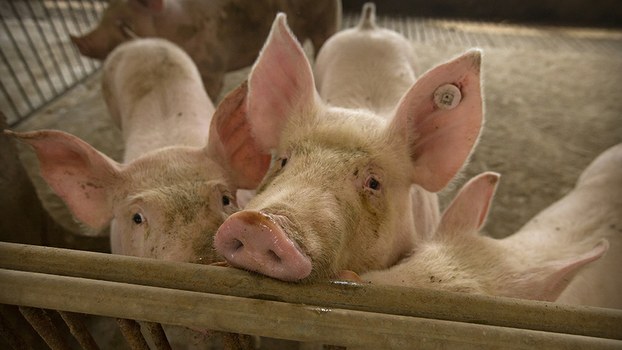
The transition to the new requirements will mean more than simply providing sows with additional space. Producers will also need to reconsider feeding systems, pen design, group formation, ventilation and day-to-day management.
The current 2023 SAPPO code allows sows to remain in gestation crates for the first eight weeks. However, the revised 2025 version provides for the gradual and complete phase-out of this housing system.
By 1 January 2032, producers will be required to move to group housing for pregnant sows, with a minimum space allowance of 2.25 m² per animal.
More Space Is Only Part of the Transition
Additional space is an important element of group housing, but by itself it does not guarantee high welfare standards or stable productivity.
The effectiveness of the new systems will depend largely on the right combination of several factors: feeding systems, pen design, group size, stocking density and the quality of daily management.
Controlling competition between sows for feed and water is particularly important. The risk of aggression may increase when new groups are formed, so housing systems must provide animals with sufficient and consistent access to resources.
SAPPO notes that an adequate number of feeders and drinkers, well-designed pens and appropriately sized electronic sow feeding systems can significantly reduce competition and undesirable aggression.
Special Attention to Environmental Control
Environmental management will be another important part of the transition.
Good ventilation, sufficient insulation, maintaining appropriate temperatures and controlling harmful gas concentrations have a direct impact on feed intake, sow health and productivity.
This is particularly critical during periods of high temperatures.
In hot weather, producers are advised to ensure continuous access to clean, cool water, use effective cooling and ventilation systems, schedule feeding during cooler parts of the day and adjust diets when necessary.
This is especially important because heat stress often reduces feed intake, which can negatively affect sow condition and production performance.
The Transition Will Require Comprehensive Planning
The future phase-out of individual gestation crates will effectively require some producers to redesign facilities or modernise existing pig housing.
The key challenge is not simply to comply with the new formal space requirements, but to create a system that supports both animal welfare and stable farm performance.
The right balance between space allowance, grouping, feeding, water supply, ventilation, nutrition and daily husbandry will determine the success of the transition.
For the industry, this also presents an opportunity to rethink pig housing design and adapt facilities to the new requirements well before 2032, avoiding abrupt and costly retrofitting at the last moment.
SAPPO emphasises that, with careful planning, the transition to group housing can support both higher animal welfare standards and farm productivity and economic efficiency.
The upcoming changes in South Africa therefore reflect a broader trend towards reconsidering traditional sow housing systems, with animal welfare requirements becoming increasingly closely linked to technological modernisation in pig production.
PigUA.info, based on materials from 3tres3.com