

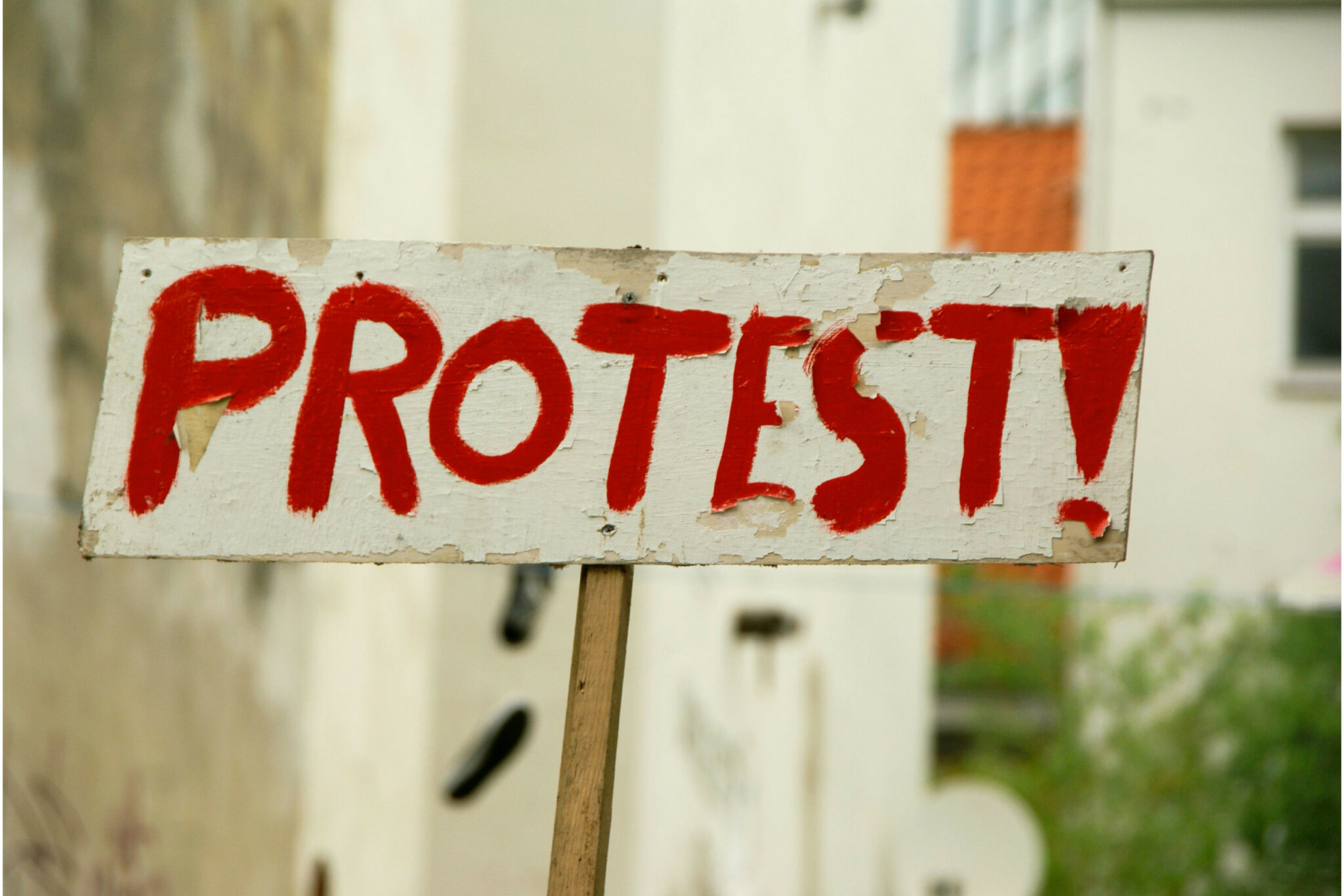
The strike was initially planned for 11 November only, but due to the lack of progress in negotiations, the unions decided to extend it to five days. According to union estimates, the action could affect a sector employing around 126,000 people.
One of the key issues remains wage increases. On 6 October, industry organisations ANICE, FECIC and AGEMCEX proposed salary increases of 3.8% in 2026, 2.5% in 2027 and 2% in 2028. The proposal also includes inflation-linked indexation, with possible additional increases of up to 1% in 2026 and up to 1.5% in 2027–2028.
CCOO, for its part, is demanding a wage increase of at least 4%, as well as a mechanism for adjusting salaries in line with the annual consumer price index, with retroactive payment of any difference.
Other union demands include reducing the maximum annual working time, currently set at 1,748 hours, by 16 hours, counting a 15-minute break as paid working time, and limiting a standard shift to nine hours.
Workers are also calling for improved bereavement leave provisions, more hours for accompanying family members, and additional measures related to occupational health and safety and working-time arrangements.
Employer representatives stress that their proposal already includes improved conditions for voluntary medical examinations, holiday pay and certain types of leave, as well as the creation of a sectoral monitoring body focused on occupational health and safety, absenteeism and sustainable productivity.
PigUA.info, based on materials from 3tres3.com