


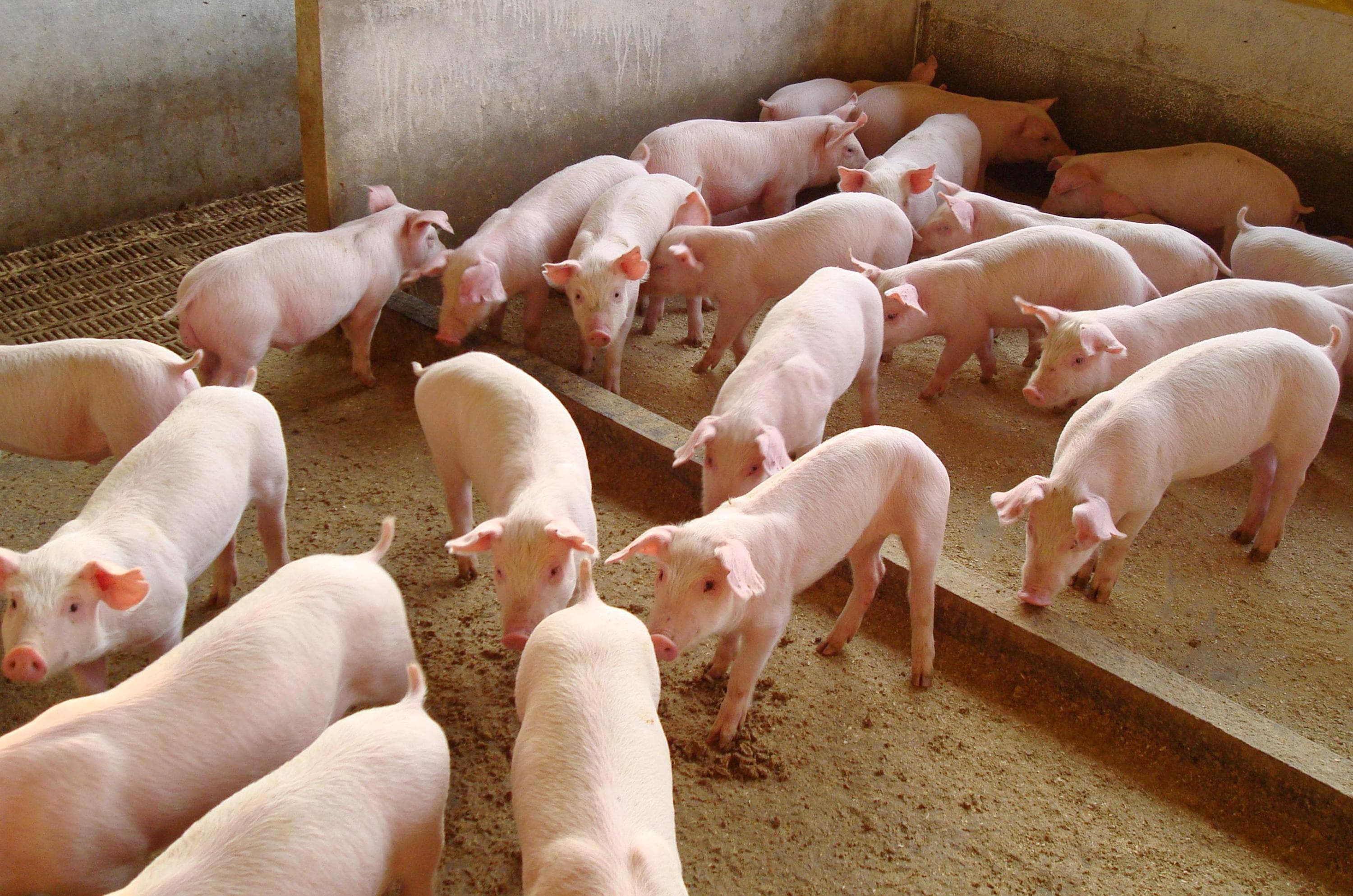
The figures are presented in the seventh edition of the Pig Observatory, an annual report prepared by Brazilian non-governmental organisation Alianima to monitor compliance with animal welfare commitments in pig production.
In 2021, 28.4% of breeding sows were kept in group housing, rising to 37.8% in 2022, 44.9% in 2025 and 45.1% in 2026.
Producers identified access to financing as the biggest barrier to transition, cited by 80% of respondents. A further 70% pointed to difficulties in obtaining adequate prices for finished products, while 60% cited challenges related to planning and designing new housing systems.
The estimates are based on data from companies participating in the study and information from the Brazilian Animal Protein Association. Survey participants represent 60.9% of the country’s active sow herd.
JBS and Ecofrigo Complete Transition to Group Housing
JBS and Ecofrigo have made the greatest progress. JBS, owner of the Seara brand, has moved all 297,000 of its sows to group housing, meeting its 2025 target. Ecofrigo also reported a 100% transition for its herd of 14,000 sows.
At BRF, group housing covers 57% of its 408,900 sows, while Aurora Coop has reached 87% of its 289,200 sows. Both companies plan to complete the transition by the end of 2026.
Frimesa reported 59%, Pamplona 97%, Alegra 67% and Alibem 50%. Alegra and Alibem recorded the largest annual increases, each gaining 12 percentage points.
At Pif Paf, however, the figure fell by 11 percentage points to 48%, while the company postponed its transition deadline from 2029 to 2045.
Challenges Extend Beyond Sow Housing
The Pig Observatory also assesses other animal welfare practices. Under systems in which sows are moved into groups within seven days after insemination, Pamplona has the highest share at 66.4% of group-housed sows, followed by Pif Paf at 63.6% and JBS at 47.1%.
For new farrowing facilities, 60% of producers plan to provide more space for sows. At the same time, 70% do not provide enrichment materials that would allow animals to express natural nest-building behaviour.
All surveyed producers reported that they had already stopped performing surgical castration of piglets without pain relief and ensure an average weaning age of at least 24 days. A further 80% have ended routine teeth grinding, while 40% have stopped ear notching for identification.
Tail docking, however, remains widespread. Only JBS and BRF reported plans to phase out the practice.
60% of Producers Have Stopped Using Antibiotics as Growth Promoters
Regarding veterinary medicines, 60% of respondents have already stopped using antibiotics as growth promoters, while 30% have ended the prophylactic use of antimicrobials. However, none of the producers reported completely discontinuing metaphylactic use.
Regarding ractopamine, only Alibem and Pamplona stated that they do not use the feed additive.
According to the report, Brazil, the world’s fourth-largest pork producer, produced 5.592 million tonnes of pork in 2025, exported 1.510 million tonnes to 94 countries and had a breeding herd of around 2.25 million sows.
PigUA.info, based on materials from foodagribusiness.world