

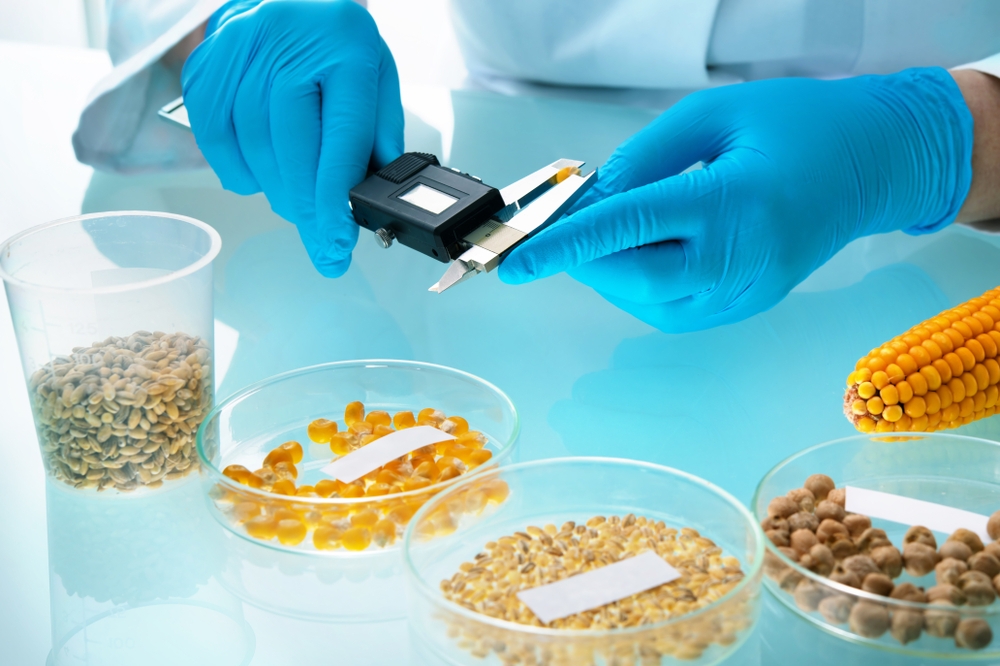
The paper, published in the Journal of Veterinary Medicine and Animal Health, summarizes findings on the effects of GM feed, which is widely used globally to improve crop yields, nutritional value, and resistance to diseases and pests.
A key approach to safety assessment is the concept of “substantial equivalence,” which involves comparing genetically modified crops with their conventional counterparts. The analysis found that the nutritional composition of GM feed is generally comparable to that of non-modified crops.
At the same time, public debate continues around potential risks, including antibiotic resistance, allergic reactions, gene transfer to wild plants, and impacts on biodiversity. The researchers acknowledge these concerns while also highlighting the benefits of biotechnology, such as increased yields, improved livestock productivity, and enhanced feed quality.
The scientists also point out that certain differences in the nutritional composition of GM crops require further research to better understand their biological relevance.
Overall, the findings confirm the general safety of GM feed in livestock production, while emphasizing the need for continued scientific monitoring and research.
PigUA.info, based on ThePigSite.com