

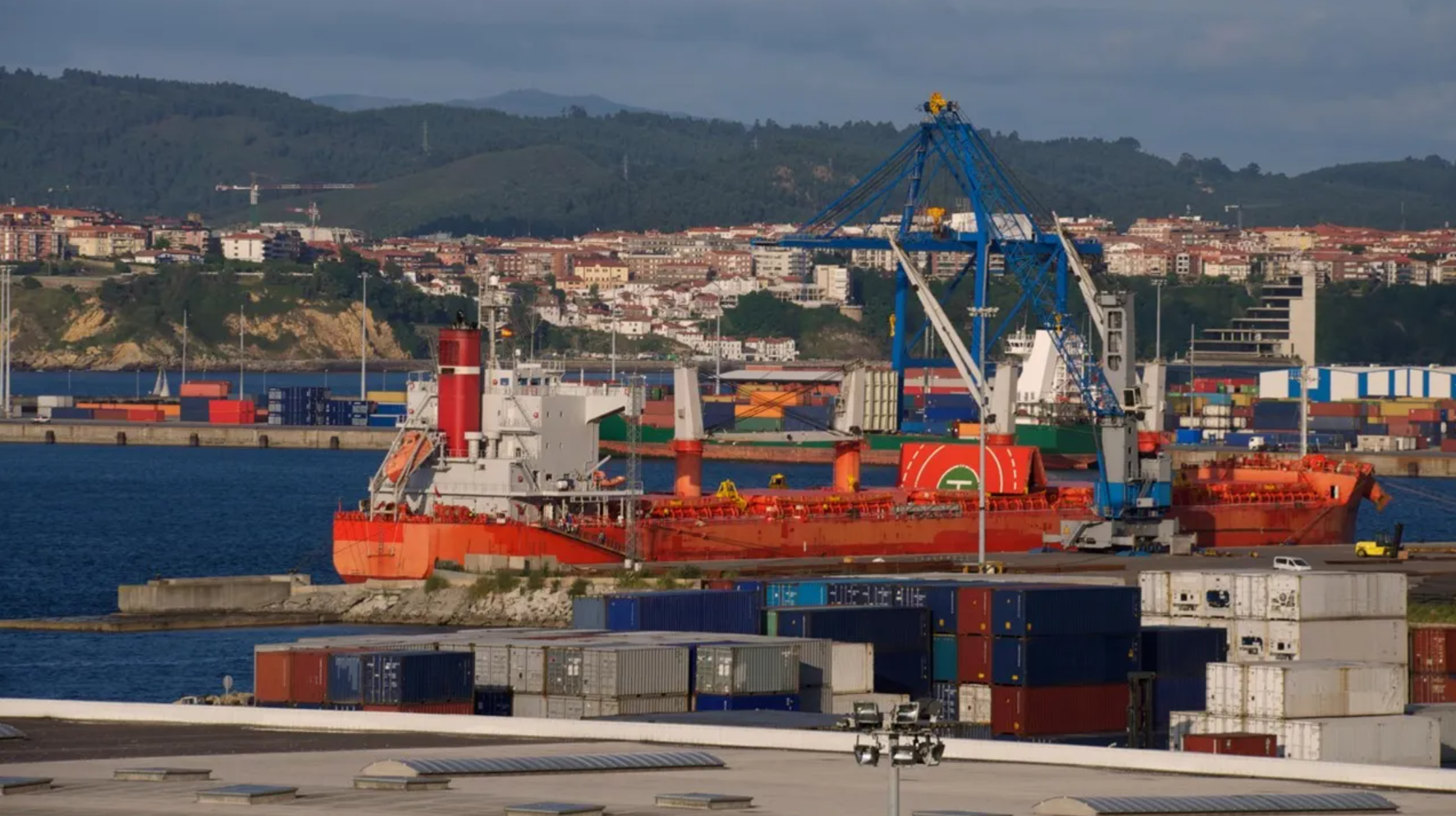
Erin Borror, Vice President for Economic Analysis at the U.S. Meat Export Federation, emphasizes that Spain is the European Union’s largest pork producer and the world’s second-largest pork exporter after the United States. In the first nine months of 2025, Spain produced more than 3.8 million metric tons of pork — a 6.6% increase year over year and a record pace of growth.
Despite the outbreak, Spain quickly secured regionalization agreements with most trading partners. China restricted pork imports only from Barcelona province — a stance also taken by South Korea, the United Kingdom and all EU countries — allowing exports from ASF-free regions to continue. However, several nations have fully closed their markets to Spanish pork. Japan, the Philippines, Malaysia, Mexico, Taiwan and Thailand have halted imports entirely. According to Borror, these closures create opportunities for U.S. pork exporters, particularly in Japan, where demand for frozen cuts — especially pork loins — may increase.
The ASF confirmation has also significantly impacted domestic operations in Spain. The Catalan government and the Ministry of Agriculture launched extensive containment measures. Within the 20-km restriction zone around Bellaterra, strict biosecurity protocols and near-total bans on live pig movements are in effect. Military units and specialized agencies are involved in carcass searches and perimeter control. According to Catalan authorities, around 50 wild boar carcasses have been recovered and examined, with no ASF detected on any nearby pig farms.
To support producers, the Catalan government has made a €50 million emergency credit line available. Still, international restrictions are weighing heavily on Spain’s export sector: more than 40 countries have temporarily suspended imports, representing roughly 12% of the sector’s export value.
Analysts note that Spain has a realistic chance of restoring market access if the outbreak remains contained. Strong intra-EU demand and robust trading ties with China offer resilience. If regionalization is upheld and ASF does not spread to commercial farms, many international markets are expected to reopen.
Despite the shock and the loss of ASF-free status, Spain’s pork industry is showing adaptability. However, experts stress that the coming weeks will be crucial — both for fully controlling the outbreak and for rebuilding confidence among global trading partners.
PigUA.info, based on nationalhogfarmer.com