


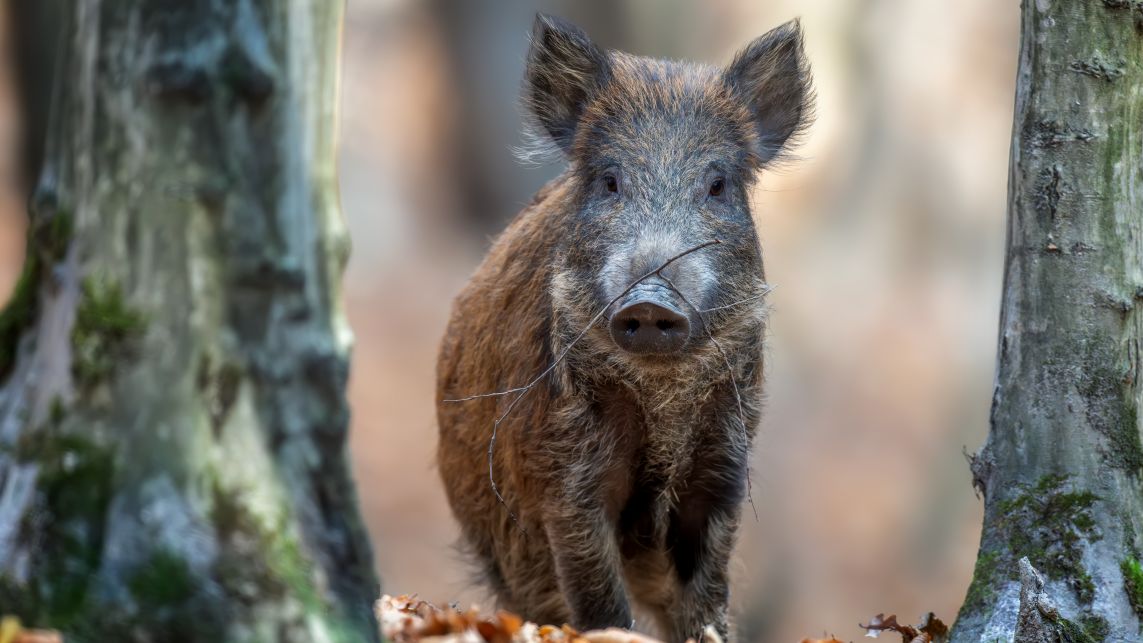
Finland’s first ASF case was confirmed on 30 July 2026 in a wild boar found dead in the municipality of Virolahti in the southeast of the country.
Since then, the virus has been detected in 37 wild boar. One positive case was recorded in the municipality of Pyhtää.
Losses Could Reach €13 Million by the End of the Year
According to Luke, import bans imposed by China, Japan, Taiwan and South Africa could leave more than €7 million worth of pork and more than €4 million worth of other pig products unsold by the end of 2026.
Total export revenue losses between August and December 2026 could amount to around €13 million.
If products that have lost access to their traditional markets cannot be redirected to other countries in 2027, losses could rise to €40 million.
Luke Senior Scientist Csaba Jansik noted that the scale of the economic impact will depend primarily on how long the restrictions remain in place, whether alternative markets can be found, and the prices at which the products can be sold.
At the same time, intra-EU trade in Finnish pork has so far remained unaffected.
Pork Production Has Not Declined So Far
The partial closure of export markets does not in itself mean an immediate reduction in production.
If products originally intended for export can be sold on the domestic market or redirected to other countries, the main consequences may be lower prices and reduced profitability for businesses.
A much more serious scenario would be the spread of ASF to commercial pig farms. In that case, infected animals could have to be culled, production temporarily suspended, and farms cleaned and disinfected.
Luke stresses that if trade restrictions remain in place for a prolonged period or the disease spreads more widely, the economic consequences could increase significantly.
“The situation is constantly changing, so the assessment of the economic impact will also be updated as events develop,” said Luke Research Manager Markus Melin.
Impact on Forestry Remains Limited So Far
ASF in wild boar has affected not only pig production but also forestry.
During the initial stage of the outbreak, restrictions prohibited mechanised logging and other operations across large areas. Luke notes that if such measures had remained in place for a long period, the economic losses for the forestry sector could have been substantial.
For now, however, their impact is considered relatively limited.
PigUA.info, based on materials from foodagribusiness.world