


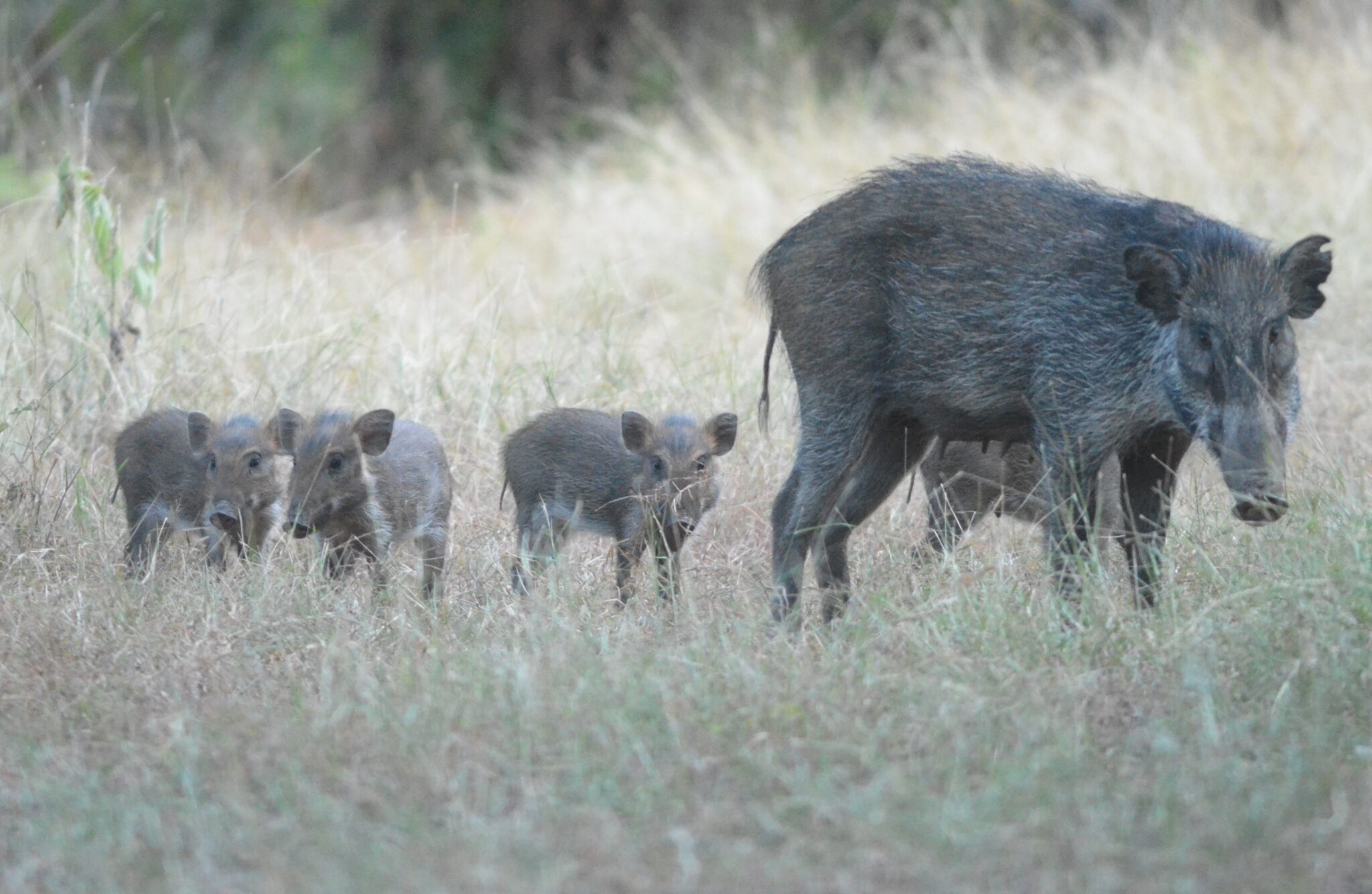
ASF began spreading rapidly in China in 2018 and subsequently reached other countries across the region. The disease has already caused billions of dollars in losses to the pig industry, but its impact on wildlife could prove equally significant.
In a recent study published in Nature Reviews Biodiversity, researchers developed an action plan aimed at preventing the extinction of vulnerable species.
Among the animals threatened by ASF are babirusas (Babyrousa spp.) and the Celebes warty pig (Sus celebensis). Some of these species also have cultural significance and serve as a source of food for Indigenous communities, particularly in Indonesia.
“Asia’s wild pigs are disappearing at a rate that most people do not even realise, even though they are one of the ecological foundations of many of the region’s tropical forests,” said lead researcher Matthew Linkie, Technical Director at the Wildlife Conservation Society.
According to him, protecting these species is important not only to prevent their extinction, but also to preserve the ecological processes on which forests, other wildlife species and local communities depend.
The proposed measures include strengthening captive breeding programmes, developing early-warning and monitoring systems, and creating emergency funding mechanisms to enable rapid responses to emerging threats.
PigUA.info, based on materials from wildlife.org