

Brazil and China continue to deepen their cooperation in the agri-food sector. During a meeting in Beijing, Brazil’s Minister of Agriculture and Livestock, André de Paula, and Sun Meijun, Minister of the General Administration of Customs of China (GACC), discussed the revised sanitary protocol for pork offal exports.
According to Brazilian authorities, the technical terms of the agreement have already been finalized, and the protocol is expected to be formally signed in the near future.
Once the agreement enters into force, Brazil’s Ministry of Agriculture and Livestock (MAPA) will be able to provide exporters with guidance on the sanitary and operational requirements necessary to access the Chinese market. China’s customs authorities will then begin the internal procedures required to officially open trade flows.
“This is a positive outcome of the technical dialogue and cooperation that our institutions have developed over recent years,” said André de Paula.
According to the minister, including pork offal in the bilateral protocol represents an important sanitary and commercial achievement and reflects the high level of trust between the two countries.
The parties also confirmed the launch of electronic certification for meat products starting next month. The measure is expected to streamline trade procedures and reduce bureaucracy for exporters.
New Opportunities for the Sector
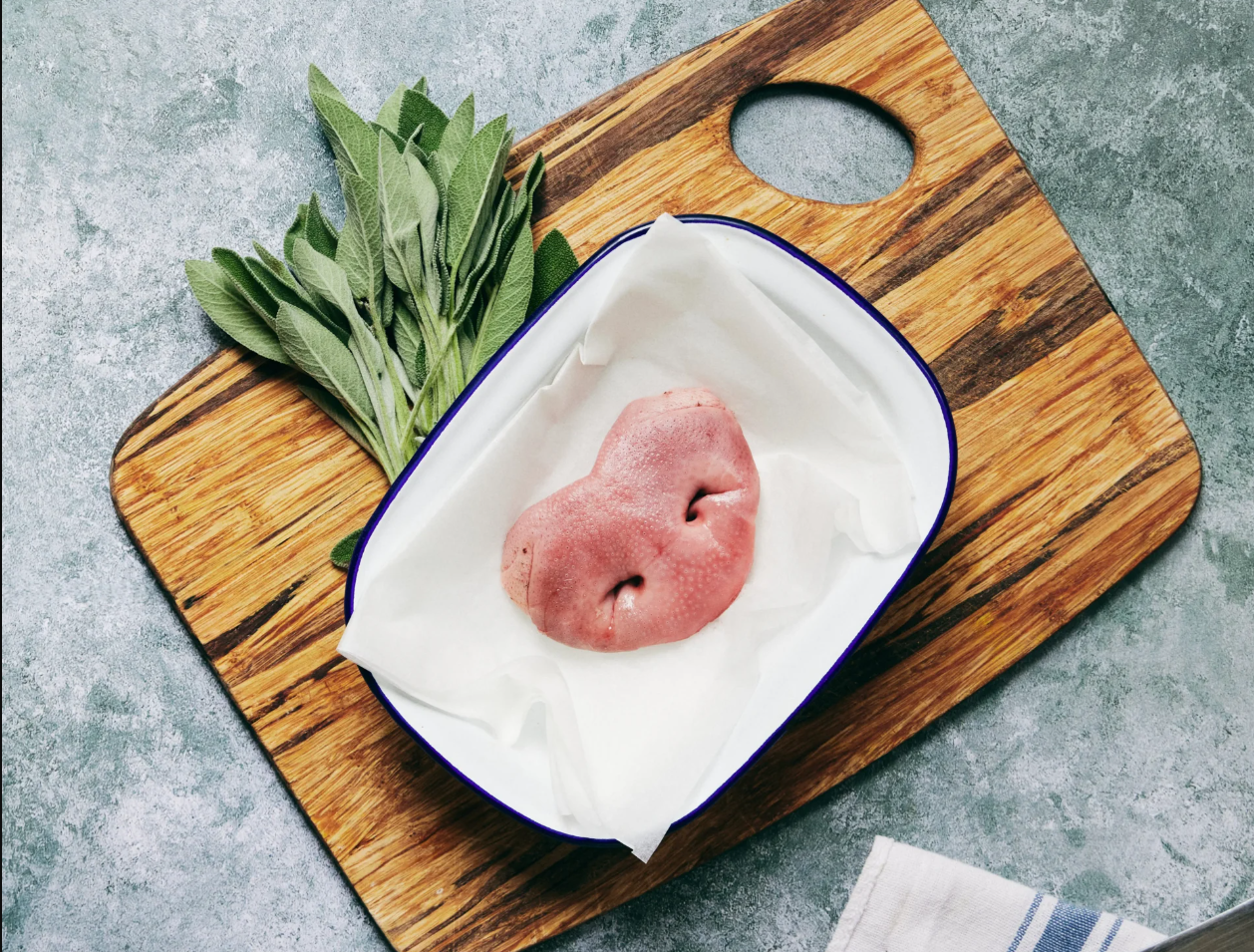
Access to the Chinese offal market is particularly important for Brazil’s pork industry. Products such as pig feet, ears, tails, snouts, and internal organs are traditionally in high demand across Asian markets.
Expanding exports of these products can improve carcass utilization efficiency and increase the overall value derived from slaughtered animals.
During the meeting, the Chinese side emphasized the importance of bilateral agri-food trade. According to Sun Meijun, China imported US$51.4 billion worth of Brazilian agricultural products in 2025, accounting for roughly half of the total trade between the two countries.
She also noted that despite the strength of China’s domestic agricultural sector, the country remains open to imports of high-quality food products from abroad.
Pork Exports Continue to Grow
The negotiations come at a favorable time for Brazil’s pork export industry.
According to data from the Brazilian Animal Protein Association (ABPA), the country exported 532,200 tonnes of pork between January and April 2026, representing a 14.2% increase compared to the same period last year.
Export revenue rose from US$1.09 billion to US$1.24 billion during the same period.
The Philippines remained the leading destination for Brazilian pork in April, importing 35,900 tonnes, up 20.6% year-on-year. Japan ranked second with 16,600 tonnes, representing growth of 131.9% compared to the previous year.
China imported 11,800 tonnes of Brazilian pork in April, a decrease of 21.6% compared to April 2025. Other important markets included Chile, Vietnam, Uruguay, and Hong Kong.
ABPA President Ricardo Santin noted that Brazil’s international pork trade performance remains very positive in 2026, particularly in Asian markets where demand for animal protein continues to expand.
Producers Face Price Pressure
Despite strong export results, conditions on the domestic market remain challenging.
According to Cepea/Esalq, the average pork carcass price in Brazil fell from BRL 15.10 per kilogram in November 2024 to approximately BRL 8.70 per kilogram currently, representing a decline of more than 42%.
Marcelo Lopes, President of the Brazilian Association of Pig Breeders (ABCS), attributed the price pressure to excess supply on the domestic market.
“This is a difficult period for producers, as prices in some states have already fallen below production costs, largely due to oversupply,” he said.
Nevertheless, industry representatives expect market conditions to improve gradually during the second half of the year, supported by stronger domestic consumption and continued export growth.
Experts believe that opening the Chinese market to Brazilian pork offal could become an additional tool for reducing pressure on domestic supplies and improving profitability throughout Brazil’s pork production chain.
PigUA.info, based on materials from foodagribusiness.world