

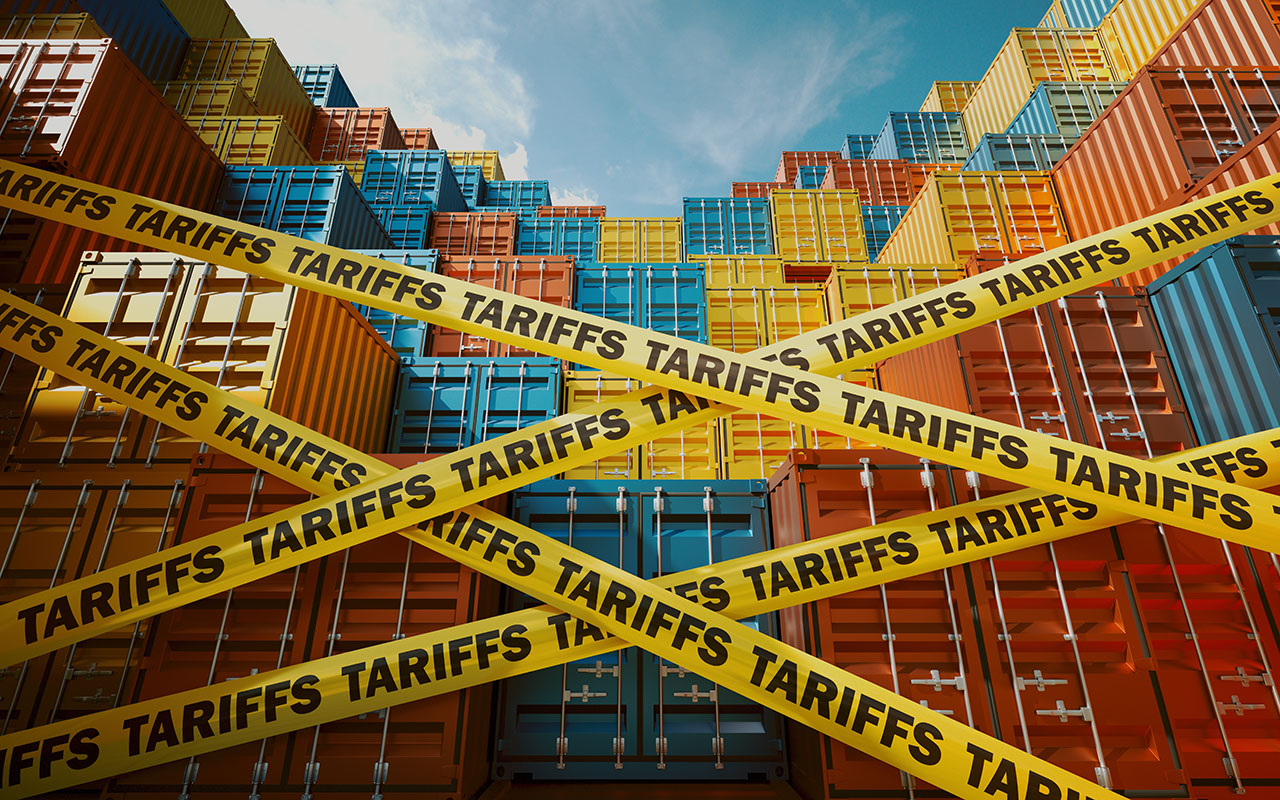
According to Reuters, citing the Office of the United States Trade Representative (USTR), the new tariffs mark the first measures introduced under the Trump administration’s new trade strategy, which is based on investigations into unfair trade practices under Section 301 of the U.S. Trade Act.
The USTR has already launched around 80 such investigations, and additional tariffs could eventually affect dozens of countries, including China, the European Union, India, Japan, South Korea and Mexico.
The decision regarding Brazil follows a proposal made in June, when the U.S. administration accused the country of a range of unfair trade practices, including issues related to digital trade and illegal deforestation.
According to U.S. Trade Representative Jamieson Greer, extensive negotiations with Brazil have failed to resolve these concerns.
"We remain open to continuing negotiations with Brazil to bring about long-needed changes to the problems identified in this investigation," Greer said.
Brazilian President Luiz Inácio Lula da Silva described Washington’s decision as unjustified and announced that Brazil would immediately begin procedures under its Reciprocity Law while also pursuing the case through the World Trade Organization’s dispute settlement mechanism.
Meanwhile, U.S. Secretary of State Marco Rubio blamed the Brazilian government for the escalating trade dispute, stating that President Lula’s administration had not negotiated with the United States "in good faith."
The new tariffs will apply to thousands of imported products, including sugar, agricultural machinery, apparel, electrical equipment, paper and steel.
At the same time, the United States excluded several strategically important products from the tariffs. The exemption list includes beef, coffee, rare earth minerals, energy products, aircraft and aircraft parts. Organic honey, pig iron, unflavoured instant coffee and several other products were also added to the list of exempted goods.
In parallel, Brazil is also subject to another USTR Section 301 investigation concerning the alleged use of forced labour in international supply chains. That investigation is expected to conclude on July 24.
If an additional 12.5% tariff is imposed as a result of that investigation, the total tariff burden on some Brazilian products could rise to 37.5%.
Analysts note that the new U.S. measures could significantly affect bilateral trade and add further tension to global trade relations. However, exempting beef from the tariffs helps avoid a major impact on one of Brazil’s most important agricultural export sectors.
PigUA.info, based on thepigsite.com