
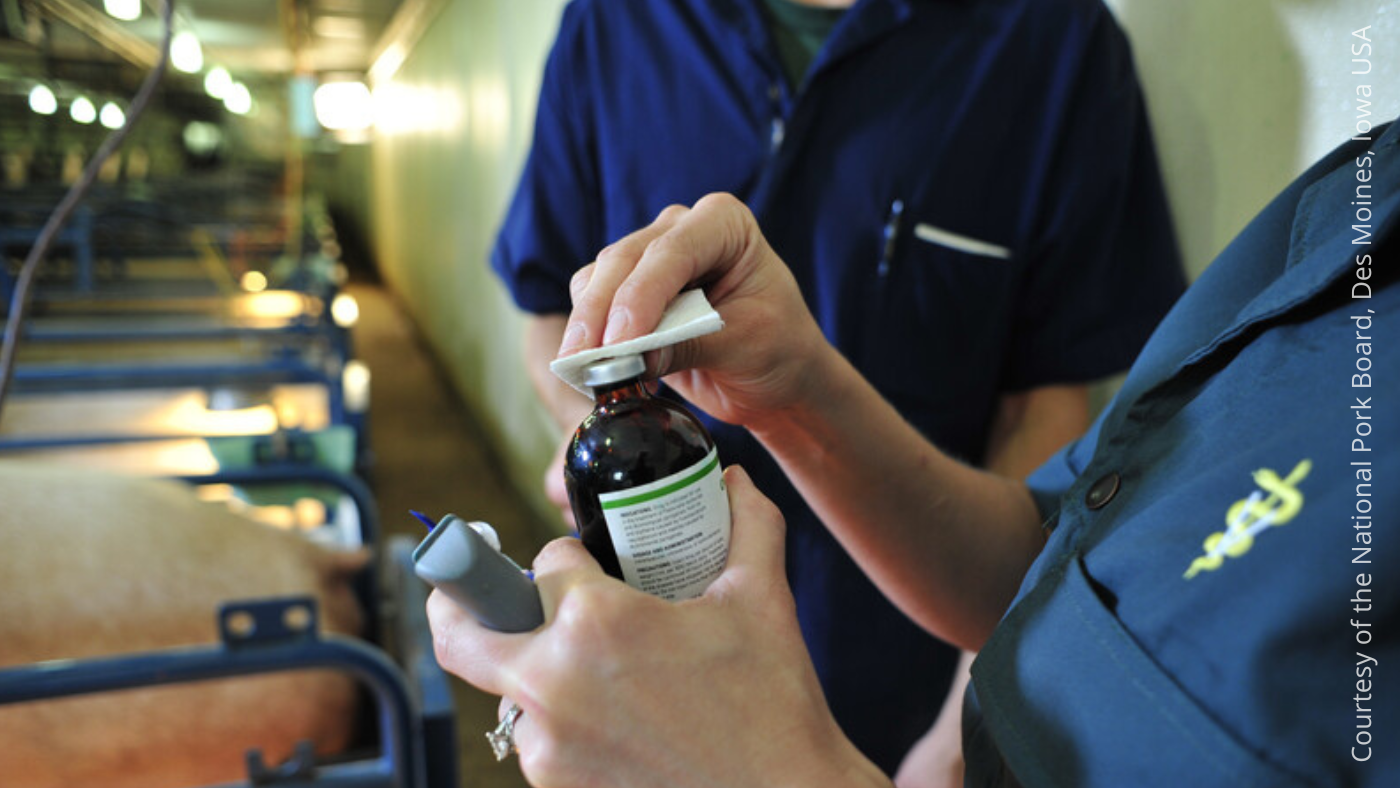
According to the UK's Agriculture and Horticulture Development Board (AHDB), antibiotic use in the pig sector fell to 77.2 mg/PCU (milligrams per Population Correction Unit) in 2025. This represents a 10% decrease compared with 2024 and a 72% reduction compared with 2015.
The milestone was announced to mark the 10th anniversary of the electronic Medicines Book (eMB), which has become the UK's primary system for monitoring antibiotic use in pig production.
Today, the eMB covers more than 94% of UK pig production, providing a comprehensive industry-wide database on antimicrobial use. The system enables producers and veterinarians to benchmark performance, identify areas for improvement, and measure progress over time.
According to AHDB, this significant reduction has been achieved through a long-term, industry-wide strategy centred on disease prevention, improved herd management, and enhanced biosecurity, rather than relying on antibiotic treatments.
The report also highlights the impact of the withdrawal of zinc oxide (ZnO), which, as in the European Union, was phased out in the UK in 2022. Although there were initial concerns that antibiotic use would increase following the ban, only a slight short-term rise was observed. Usage subsequently declined again and has remained well below previous levels.
Similar trends are being observed elsewhere in Europe. In the Netherlands, total antibiotic use across livestock production fell by 6.9% in 2025 compared with the previous year and by 77.2% compared with 2009. Within the Dutch pig sector, antimicrobial use declined by a further 9.7% year-on-year, returning to 2023 levels.
Experts note that the UK's achievements demonstrate the effectiveness of a comprehensive approach to combating antimicrobial resistance. Continuous monitoring, data-driven decision-making, disease prevention, and strong biosecurity measures have enabled the sector to substantially reduce antibiotic use without compromising productivity.
PigUA.info, based on FoodAgriBusiness.world