


The study surveyed 3,013 people across the UK in September and October 2024. Its aim was to determine how much consumers would be willing to pay to support specific welfare improvements for different types of farm animals.
The findings were published in August 2026 in the scientific journal Food Policy. They are already being used by UK government policymakers to assess the potential costs and benefits of future changes to animal welfare policy.
The survey found that 66% of respondents take animal welfare into account when choosing food products. Most participants also believe that food produced under higher welfare standards is healthier, tastes better and is better for the environment.
Professor Richard Bennett of the University of Reading, who led the study, said consumers had clearly demonstrated a willingness to pay more for improvements in farm animal welfare.
At the same time, the researchers acknowledge that food prices in the UK have risen since the survey was conducted in 2024 and that the cost of living continues to place significant pressure on household budgets. Despite this, they believe public support for higher animal welfare standards remains strong.
UK Consumers Willing to Pay More to Phase Out Farrowing Crates
For the study, a group of experts developed a system for scoring animal welfare on a 100-point scale.
Thirteen animal welfare scientists and veterinary professionals assessed conditions for six categories of farm animals: laying hens, dairy cattle, pigs, sheep, broiler chickens and beef cattle.
The assessment considered several key factors, including access to feed and water, animal health, housing conditions and the ability of animals to express natural behaviour.
Consumers were then asked how much more they would be willing to spend each week if regulation improved the relevant welfare scores.
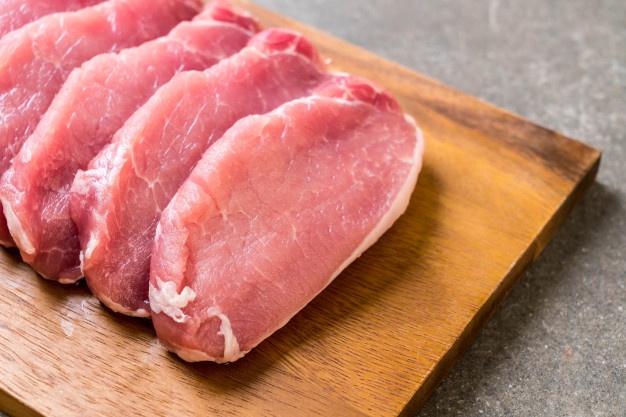
For pig production, one of the proposed measures was a ban on farrowing crates for sows. Responding households were willing to pay an average of an additional £1.61 per week for such a change.
What Other Welfare Improvements Are Consumers Willing to Pay For?
British consumers were willing to pay the same amount — £1.61 per week — for a transition from caged housing for laying hens to free-range systems.
Respondents were willing to spend an additional £1.13 per week on measures to reduce lameness in dairy cows.
They were prepared to pay £0.21 per week to ensure pain relief during lamb castration and £0.46 per week to reduce lameness in beef cattle.
According to the study’s authors, the findings make it possible not only to assess society’s overall attitudes towards animal welfare, but also to estimate the economic value consumers place on specific welfare improvements.
Animal Welfare Is Becoming a Factor in Purchasing Decisions
The researchers note that for a significant share of British consumers, animal welfare conditions have already become one of the criteria used when choosing meat, milk and eggs.
Consumers want reassurance that animals used to produce food have been properly cared for, and some are prepared to support higher welfare standards through higher food prices.
The findings may also have practical implications for producers, as stricter welfare requirements often require additional investment in buildings, equipment and housing systems. Understanding how much consumers are willing to offset these costs through higher retail prices may therefore be important when developing new regulations.
This issue is particularly relevant for pig production, where changing sow housing systems may require substantial modernisation of production facilities.
Findings Already Being Considered in Government Policy
According to Professor Bennett, the UK government is using the research findings when assessing farm animal welfare policies.
The tool developed by the researchers makes it possible to compare potential improvements in animal welfare with the amount consumers are willing to pay for them. This could help policymakers assess the economic viability of new regulatory measures.
The authors note that the methodology could be applied not only in the UK, but also in other countries and across different livestock production systems.
The study was led by the University of Reading in collaboration with the Royal Veterinary College, Queen’s University Belfast, the universities of Liverpool and Newcastle, University College Dublin and Scotland’s Rural College.
PigUA.info, based on materials from thepigsite.com