

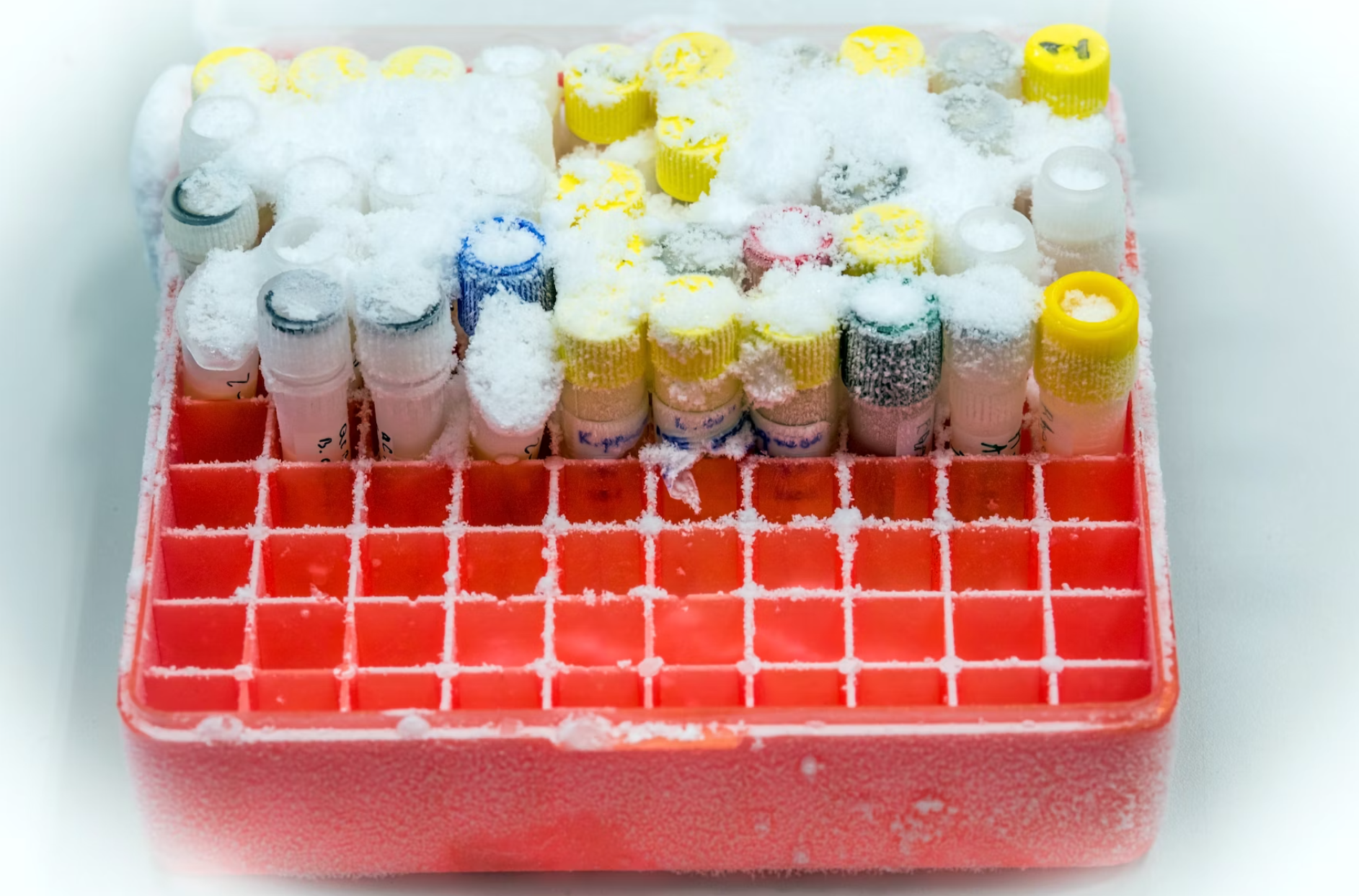
Researchers found that the virus remained detectable in swine feces and feed dust samples that had been repeatedly frozen, stored at 4°C, and thawed. Although the amount of virus decreased in some samples, the reduction was not significant enough to affect the reliability of diagnostic testing.
“We have more flexibility than we thought,” explained Dr. Jordan Gebhardt, DVM and assistant professor of veterinary medicine at Kansas State University. “If we're in a remote location, we can store the sample at refrigerated temperatures without negatively impacting the test results.”
The study stemmed from real-world challenges observed during collaborations in Vietnam, where researchers encountered questions about the best ways to handle ASF-contaminated samples — particularly those exposed to repeated freezing and thawing.
ASF is a DNA virus known for its hardiness under extreme conditions, including freezing. While thawing and refreezing can damage some viruses due to moisture and ice, the research suggests that ASF remains relatively stable through this process. This could be particularly beneficial for farms in remote or undeveloped areas, where quick access to labs isn’t always possible.
However, Dr. Gebhardt stressed that, for feed producers and pig farmers aiming to prevent ASF transmission, extended high-temperature holding periods remain the most effective biosecurity strategy — despite recent studies questioning its full effectiveness. Until alternative methods are validated, heat treatment continues to be the recommended approach.
The Kansas State research team had planned to continue exploring best practices for collecting and handling environmental samples of ASF. However, their latest funding application was denied due to budget cuts initiated by the Trump administration. As a result, further studies are currently on hold pending new funding sources.
“This study gives us more confidence in our ability to conduct reliable diagnostics even under challenging conditions,” said Gebhardt, “but there’s still much more to learn.”
Useful for Producers: Online Course on ASF
The Association of Ukrainian Pig Breeders together with leading industry experts offers a specialized online course, “African Swine Fever — Everything the Business Needs to Know,” available on the AgriAcademy educational platform.
The course is designed for owners, managers, and employees of pig farms, as well as other industry stakeholders who seek to minimize risks associated with African swine fever (ASF) and protect their businesses from critical losses.
During the course, participants will gain:
- up-to-date knowledge on the nature of ASF and the mechanisms of its spread;
- an understanding of key risk factors and the findings of recent research;
- practical tools for assessing biosecurity risks at the farm level;
- clear action protocols in the event of suspected or confirmed outbreaks;
- recommendations on preventive measures and long-term farm protection;
- examples of practical experience from enterprises that have already faced ASF-related challenges.
Training format:
All materials are presented in the form of concise, well-structured video modules that can be viewed at any convenient time.
The course is free of charge, subject to prior registration.
You can join the course via the following link: https://courses.agriacademy.org/courses/course-v1:FAO+ASF+2024Q4/about