


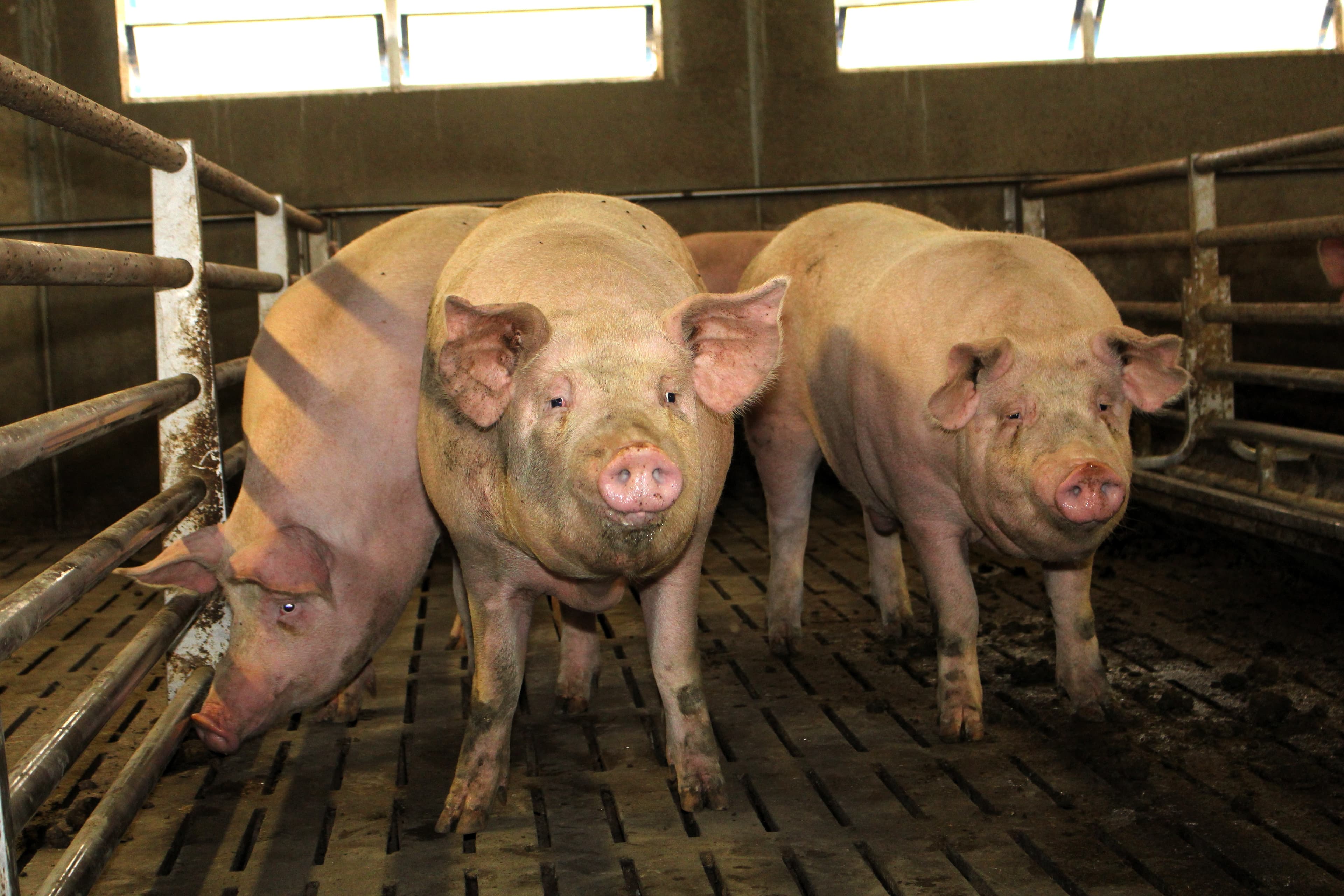
The findings were presented by researchers from the Experimental Zooprophylactic Institute of Lombardy and Emilia-Romagna (IZSLER) at the European Symposium of Porcine Health Management (ESPHM), held in Florence in May 2026.
The research team analyzed ASF outbreaks on 16 pig farms in the Lombardy region that became infected during 2024. For comparison, each infected farm was matched with two similar ASF-free farms located within a 20-kilometre radius. In total, 48 farms were evaluated using a dedicated questionnaire covering 69 potential ASF risk factors and biosecurity measures.
According to the study's lead researcher, Dr. Matteo Tonni, the most significant risk factors were:
- owners, family members, or farm employees having contact with other pig farms;
- visits by external personnel to the farm's clean production area;
- the use of vehicles to transport manure to slurry storage facilities;
- the farmhouse being located within the farm boundary, resulting in insufficient separation between residential and production activities.
The researchers also identified several measures that significantly improve farm protection against ASF introduction.
These include the presence of a fully equipped and mandatory hygiene lock (biosecurity entrance) for all staff and visitors, collection of dead pigs by rendering companies outside the production area, boot disinfection points at the entrance to every pig barn, and crop fields being located at a sufficient distance from livestock buildings.
ASF virus genotype II has been circulating in Italy since 2022. In 2023, the disease spread into the country's major pig-producing regions, while the most severe phase of the epidemic occurred between July and October 2024, affecting farms in Lombardy, Piedmont, and Emilia-Romagna.
Since the beginning of the epidemic in 2022, 50 pig farms in Italy have been infected with ASF. The most recent outbreak on a commercial farm was reported in Piedmont in April 2026.
According to the researchers, the absence of major new outbreaks in Italy's highest pig-density regions over the past two years suggests that the epidemiological situation has become relatively stable. Nevertheless, they emphasize that maintaining a high level of biosecurity and continuous vigilance remains essential to preventing new ASF incursions.
Source: PigUA.info, based on foodagribusiness.world