
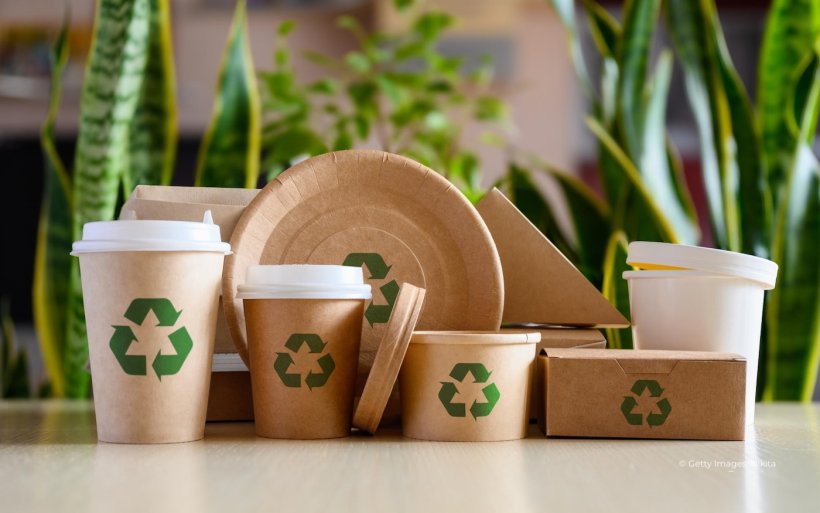
The Packaging and Packaging Waste Regulation (PPWR) creates a harmonised regulatory framework covering the entire life cycle of packaging in the European Union.
The new requirements are intended to replace fragmented national rules with a single set of standards applicable throughout the EU internal market.
This is expected not only to help reduce packaging waste, but also to lower business compliance costs associated with differing national requirements, increase legal certainty and make it easier for companies operating in several EU countries.
Common Rules Across the Entire EU Market
The PPWR covers the full life cycle of packaging and is designed to make waste management more sustainable.
One of the regulation’s objectives is to reduce the EU’s dependence on imports of virgin raw materials while stimulating the market for secondary materials.
This is intended to support the European Union’s transition to a competitive circular economy and contribute to achieving climate neutrality by 2050.
For businesses, common rules are expected to create more predictable conditions for investment, innovation and the development of new circular packaging solutions.
PFAS in Food-Contact Packaging Restricted
One of the most important provisions that began to apply on 12 August is a restriction on per- and polyfluoroalkyl substances (PFAS) in packaging that comes into contact with food.
Food-contact packaging containing PFAS above strict established limits can no longer be placed on the EU market.
These substances are often referred to as “forever chemicals” because of their extreme persistence. They break down very slowly and can accumulate in the environment and in the human body.
The new rules are therefore intended to reduce consumer exposure to PFAS and limit their release into the environment.
PFAS have been widely used in food packaging because of their ability to repel water and grease.
They have been used, in particular, in:
- takeaway food containers;
- fast-food wrappers;
- microwave popcorn bags;
- baking paper;
- pizza boxes.
Restricting the use of PFAS in these types of packaging is intended both to reduce potential risks to human health and to limit environmental contamination by persistent chemicals.
Greater Focus on Circularity
The new regulation forms part of the EU’s broader policy to reduce waste and use resources more efficiently.
The European Union aims to create conditions in which packaging is not only safer, but also better suited for reuse, recycling and returning materials to the production cycle.
The PPWR will therefore affect packaging manufacturers, food companies, retailers and other businesses that use packaging materials in their operations.
The introduction of common rules across the EU is expected to become one of the key steps towards reducing packaging waste, developing the secondary raw materials market and limiting the use of potentially hazardous substances in food packaging.
PigUA.info, based on materials from 3tres3.com