


This forecast is presented in the latest long-term outlook for the global agricultural sector through 2035.
According to analysts, global meat consumption is projected to reach approximately 412 million tonnes by 2035, representing a 12% increase compared with the base period (2023–2025). Growth will be driven primarily by population growth, rising incomes, and gradually increasing per capita meat consumption in developing countries.
However, the pace of consumption growth is expected to slow considerably. By 2035, global per capita meat consumption is projected to increase by only about 0.7 kg, reaching nearly 30 kg in retail weight equivalent. This represents less than half the increase recorded over the previous decade.
Analysts attribute this trend to demographic changes and shifting consumer preferences. In high-income countries, further growth will be constrained by ageing populations, higher red meat prices, and increasing consumer concerns regarding healthy diets, environmental sustainability, and animal welfare.
Poultry will account for the largest share of the increase in global meat consumption, with demand expected to rise by 29 million tonnes, or 20%, by 2035. Sheep meat consumption is also projected to grow relatively rapidly, increasing by 3 million tonnes (20%).
Beef consumption is forecast to increase by 6 million tonnes (8%), while pork consumption will rise by only 6 million tonnes, or 4%.
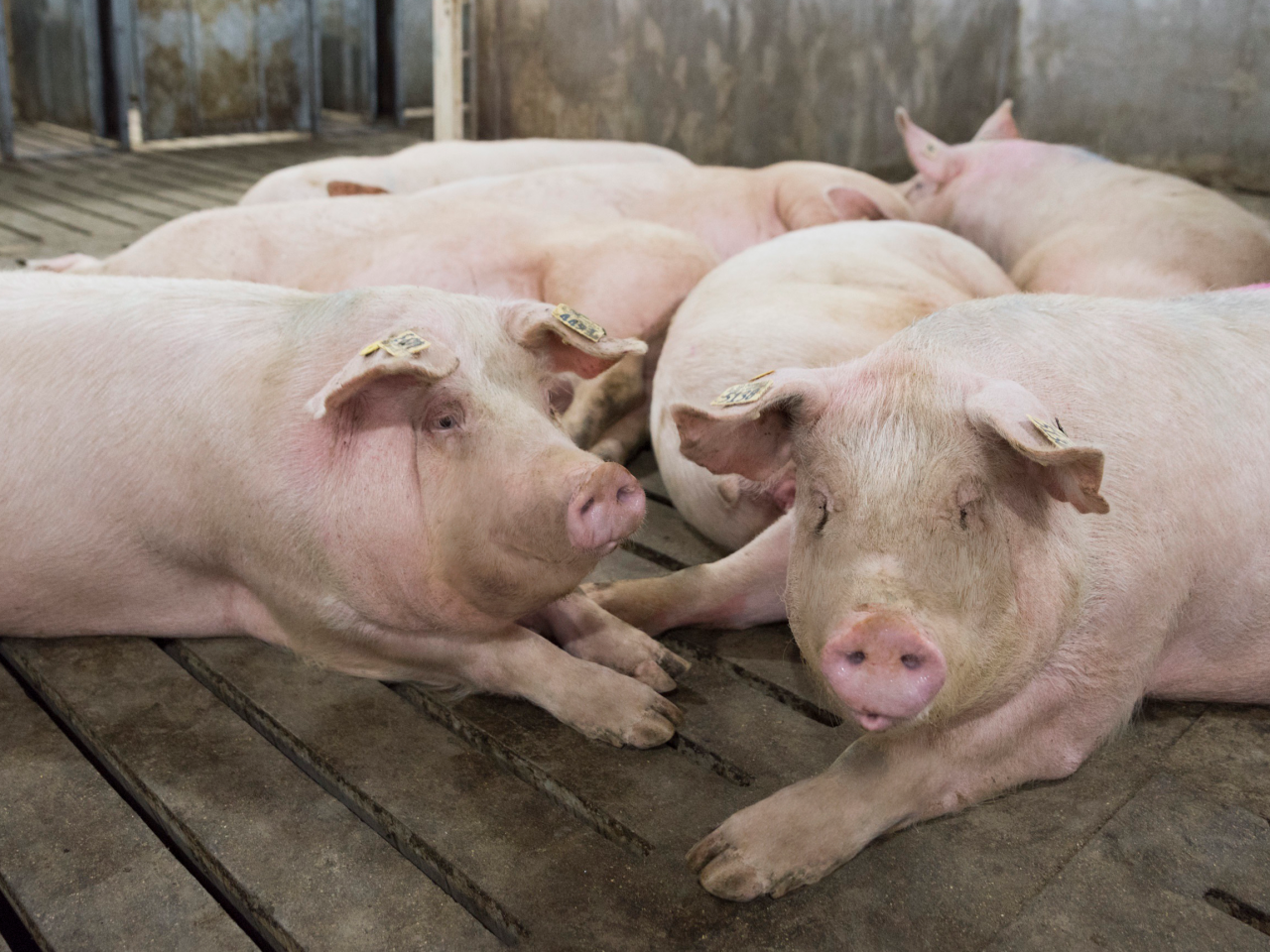
According to the outlook, pork will contribute around 13% of total global meat consumption growth. However, on a per capita basis, pork consumption is projected to decline by approximately 4% compared with the base period.
The main reason for this decline is weaker demand in high-income regions, particularly in the European Union, where consumer purchasing decisions are increasingly influenced by environmental concerns and changing dietary preferences. In addition, rapid population growth in regions where pork is traditionally consumed less frequently will weigh on global per capita figures.
At the same time, analysts note that animal disease outbreaks and biosecurity challenges could periodically constrain pork production and affect market prices, further limiting the sector's growth compared with poultry.
The strongest increase in per capita pork consumption is expected in Latin America, where consumption could rise by approximately 1.2 kg per person by 2035. Analysts attribute this primarily to the more favourable price relationship between pork and beef.
PigUA.info, based on 3tres3.com