


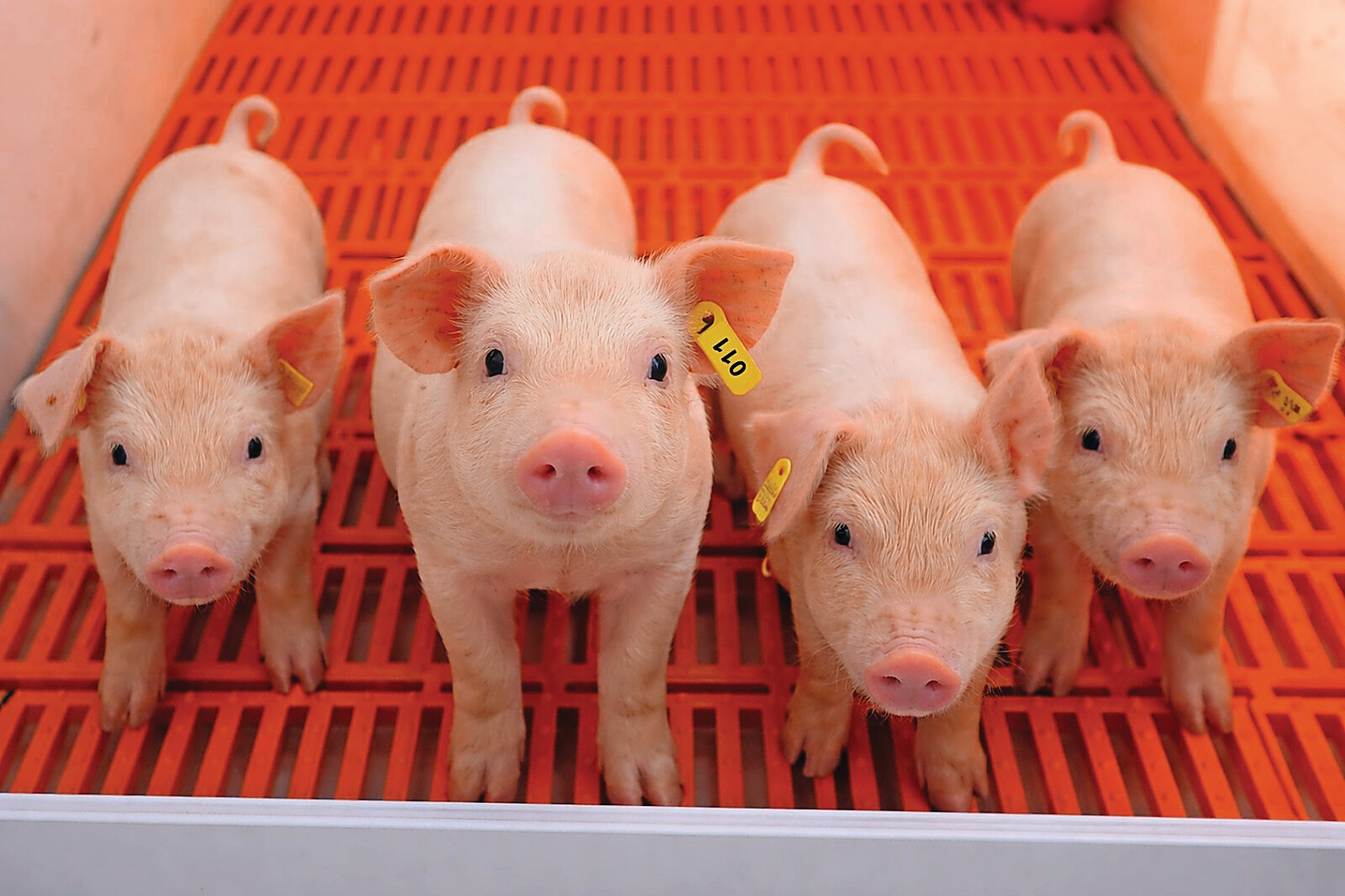
Brazil has taken a significant step in the development of animal biotechnology, with the birth of Latin America’s first cloned piglet, named Boreal, in São Paulo state. The event took place on March 24, 2026, in the city of Piracicaba and is the result of a joint project involving scientific institutions and the private sector.
The project was carried out by specialists from the University of São Paulo, the Institute of Animal Science, the Institute for Technological Research, and the company XenoBrasil. The cloned piglet is a genetic copy of an animal selected for its physiological, sanitary, and productive traits.
According to researchers, Boreal was born weighing just over 1 kg and has shown normal development in the first weeks of life. The animal was produced by transferring a zygote into a sow, where it developed alongside other piglets in the same litter.
The main goal of the project is to advance xenotransplantation technologies, meaning the use of animal organs for transplantation into humans. However, at this stage, Boreal will not be used for organ donation, as researchers plan to closely monitor its development until it reaches reproductive maturity.
Researchers note that cloning technologies, combined with gene editing, also offer significant potential for pig production. In particular, they enable the reproduction of animals with desirable traits such as improved feed efficiency, better carcass quality, and increased disease resistance.
In addition, such approaches can help reduce genetic variability in herds and improve production uniformity. At the same time, the development of these technologies in Brazil is regulated by existing legislation, which permits genetic modification and cloning under state supervision.
The project began in 2020 and has already overcome several technological challenges, including the creation of transgenic cells. The team is now working on removing genes responsible for organ rejection and introducing human genes to improve compatibility for transplantation.
Thus, the birth of the region’s first cloned piglet marks a new stage in the development of both biomedicine and modern pig production, combining scientific innovation with practical opportunities for the industry.
PigUA.info, based on materials from pigprogress.net