


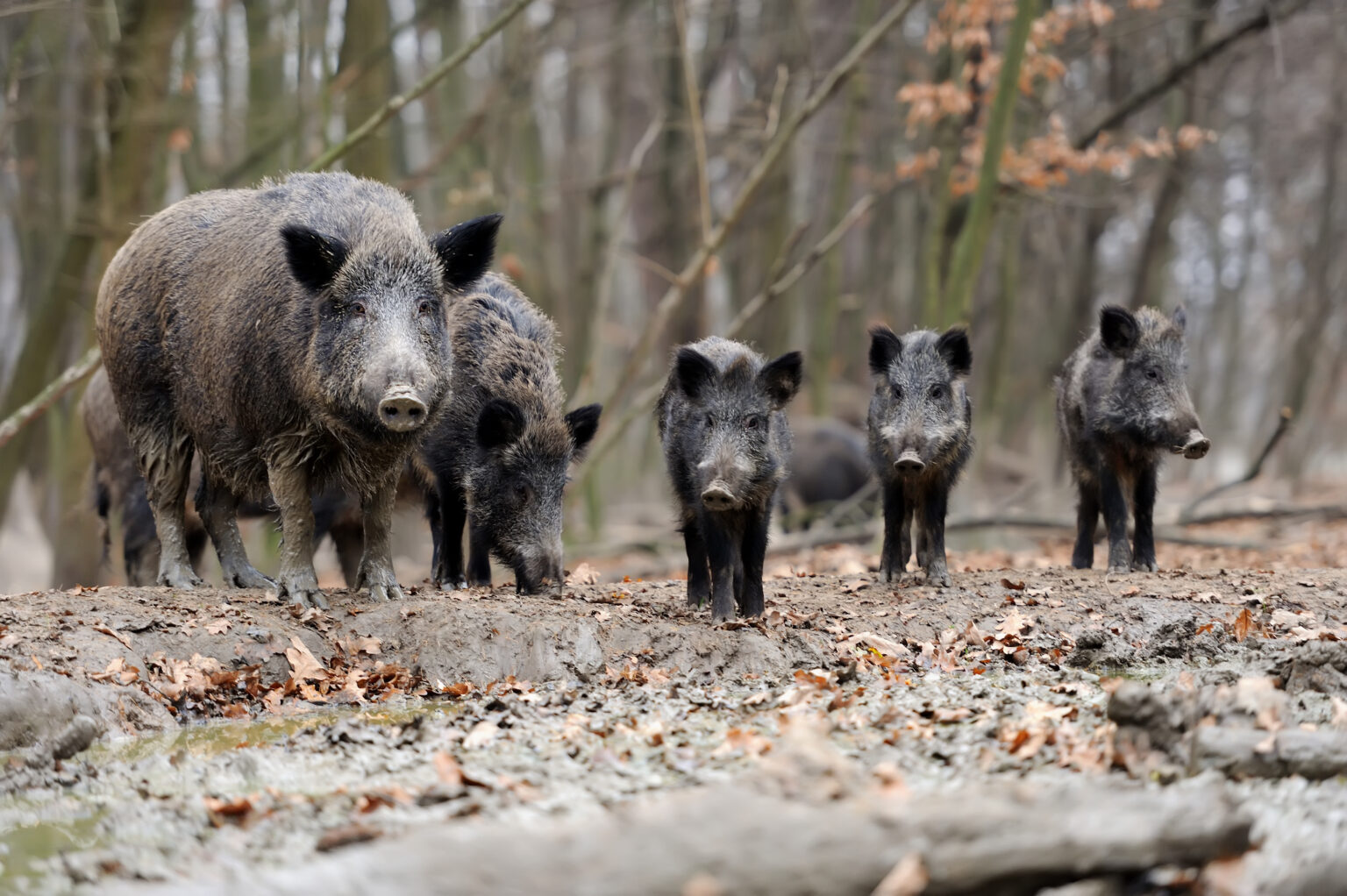
February 5, 2026 marked exactly one year since the last confirmed ASF case in a wild boar in the Bautzen district. Since then, no new cases have been recorded in Saxony, and the region is therefore considered free of the disease.
The first ASF case in Saxony was detected on October 31, 2020 in a wild boar that had presumably migrated from Poland via the Neisse River. Since then, a total of 2,398 cases have been confirmed in the state. In 2023, the restriction zones established to control ASF covered about one-third of Saxony’s territory.
To contain the spread of the virus, about 830 km of protective fencing were installed, of which roughly 480 km have already been dismantled. A key component of the control strategy was the significant reduction of the wild boar population through individual and drive hunts. Numerous traps were also used for the selective removal of animals.
A crucial element of control was the near-daily search for wild boar carcasses using tracking dogs and drones funded by the Saxon government. Hunters, forestry staff and government employees were involved in these efforts. More than 1,800 of the 2,398 infected animals were detected through these searches.
Samples were analysed at the Saxon State Research Institute (LUA). Since October 2020, around 237,500 samples have been tested — about 139,000 from wild boar and nearly 99,000 from domestic pigs. Total spending on ASF control in Saxony has reached approximately €60 million.
The Saxon Ministry of Social Affairs plans to request this month that the European Commission lift the restricted zone in the Bautzen district. However, the protective corridor along the Polish border in the Görlitz district, consisting of two parallel fences, will remain in place until ASF is fully eradicated in adjacent Polish regions.
At the same time, the positive epidemiological developments on both sides of the border have already allowed for a reassessment of risks and the start of dismantling parts of the mobile wild boar barriers along the Neisse River.
The successful eradication of ASF in Saxony is seen as a strong example of effective interagency cooperation, systematic monitoring and strict biosecurity measures in combating the disease.
PigUA.info based on pig333.com