

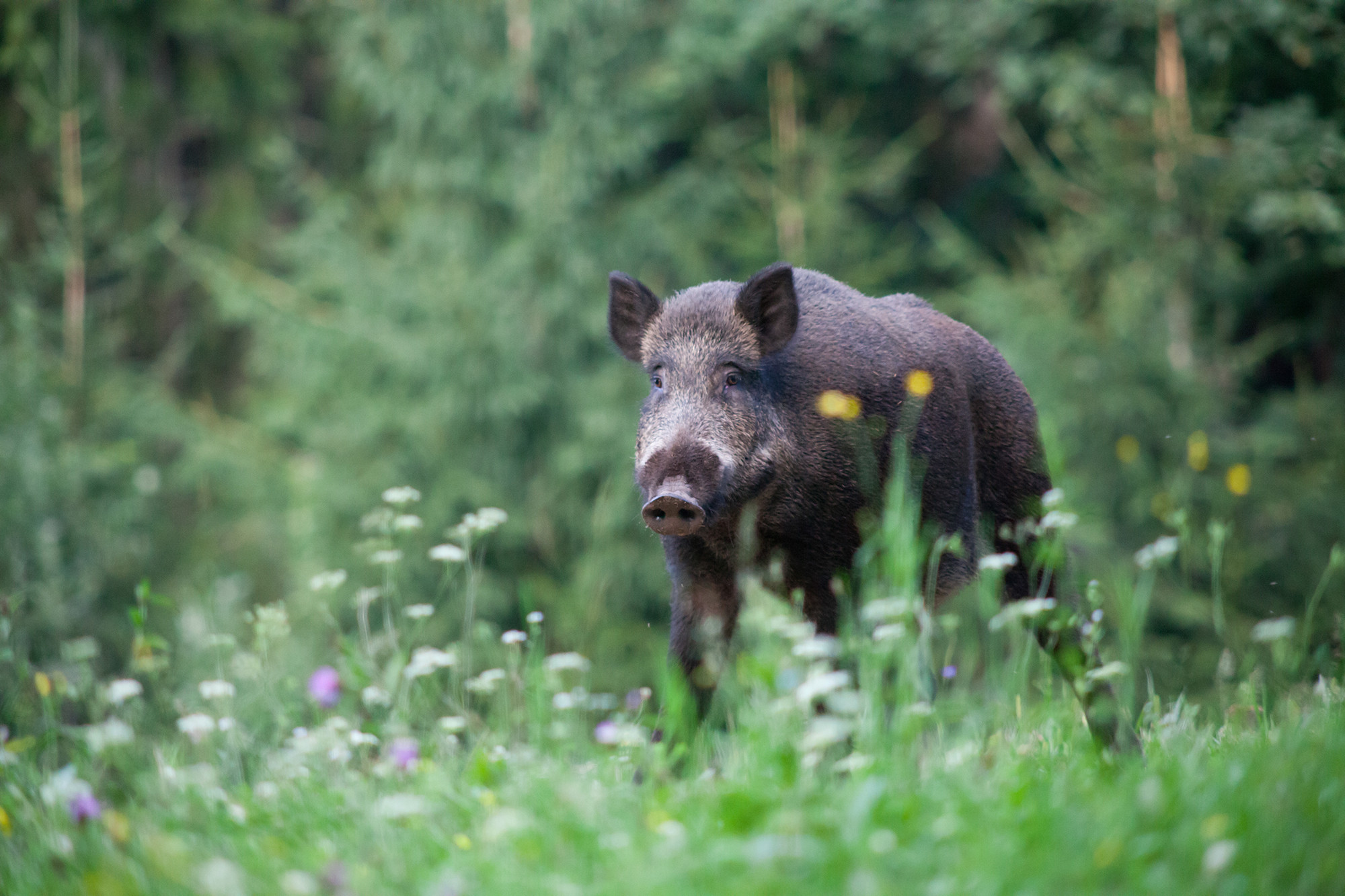
Finland confirmed ASF for the first time on 30 July 2026, when the virus was detected by PCR in dead wild boar in Virolahti in the southeast of the country. The result was subsequently confirmed by the European Union Reference Laboratory for ASF.
By 28 August, the Finnish Food Authority had reported 35 positive cases, all of them in Virolahti.
The number of infected animals increased steadily throughout August: 11 new cases were confirmed on 12 August, one more on 14 August, four on 18 August, seven on 21 August, six on 24 August and a further three on 26 August.
New Case Detected Beyond the Previous Outbreak Area
The situation changed in late August, when the remains of an adult wild boar were found in a field in the municipality of Pyhtää, on the coast of the Gulf of Finland.
This became the first confirmed ASF case outside Virolahti and indicates that the virus has spread around 40 km west of the previous boundary of the infected area.
The total number of confirmed ASF cases in wild boar has therefore risen to 36.
Infected Zone Expanded
In response to the new case, the Finnish Food Authority expanded the infected zone.
It now includes:
- Kotka;
- Hamina;
- Pyhtää;
- parts of Loviisa;
- Lapinjärvi;
- Kouvola.
At the same time, the stricter core zone around Virolahti remains unchanged for now.
Hunting and the feeding of wild animals are prohibited within the restricted areas. The restrictions also apply to pigs and wild boar, their meat and meat products, as well as germinal products.
Stricter restrictions on people moving through forests and other natural areas, which are already in force in parts of the previously established infected zone, have not yet been extended to the newly included areas. The authorities plan to assess whether such measures are necessary.
Pig Farms Remain Free of ASF
Despite the spread of the virus among wild boar, no ASF cases have so far been confirmed on pig farms in Finland.
The main priority for veterinary authorities remains preventing the infection from reaching domestic pigs and limiting further spread of the virus in wildlife.
Outbreak Has Already Affected Pork Exports
The emergence of ASF has also had trade consequences for Finland.
Pork shipments to EU countries from areas outside the restricted zone may continue, but access to some third-country markets has already become more difficult.
In 2025, Finland exported pork worth around €74 million, with approximately 77% of exports destined for countries outside the European Union.
Following the emergence of ASF, import restrictions on Finnish pork have already been introduced by countries including Canada, China and Taiwan.
The detection of a new case dozens of kilometres from the original outbreak area indicates that the actual extent of virus circulation in Finland is still being determined. Further developments will depend on active searches for dead wild boar, laboratory surveillance and the effectiveness of the zoning restrictions introduced.
PigUA.info, based on materials from the Finnish Food Authority and WOAH