


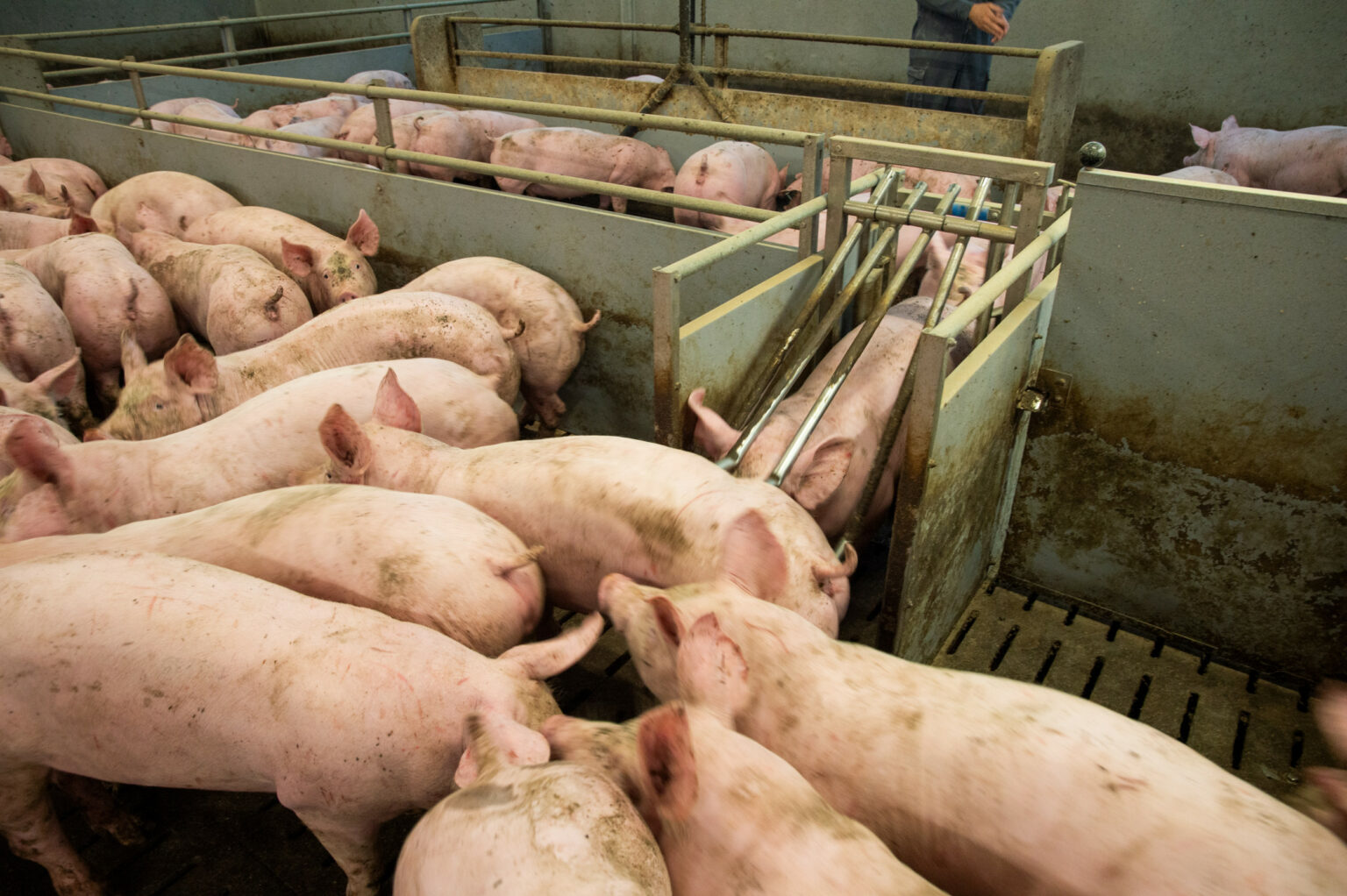
The rules will apply to slaughterhouses that process at least 1,000 so-called large animal units or 150,000 poultry or rabbits annually.
At the same time, facilities slaughtering fewer than 1,000 cattle or 5,000 pigs per year will be exempt from the mandatory CCTV requirement.
According to German Agriculture Minister Alois Rainer, the aim of the measure is to provide greater transparency at facilities where animal welfare depends directly on how employees handle the animals.
Animal Handling and Stunning to Be Monitored
The cameras will be used to record whether staff handle animals properly, including during unloading from transport vehicles and movement through the slaughterhouse.
Another important area of monitoring will be the effectiveness of stunning before slaughter.
Facilities will be required to retain video recordings for 30 days and provide them to the competent authorities upon request. After this period, the footage must be deleted.
Parliament also noted that CCTV could help meat-processing companies demonstrate compliance with animal welfare standards.
Most Slaughterhouses Will Formally Be Exempt
The German Legal Society for Animal Welfare Law (DJGT) welcomed the decision but drew attention to the exemption for small facilities.
According to the organisation’s estimate, around 95% of all slaughterhouses in Germany will not be required to install cameras. Overall, the new rules will apply to around 230 of the country’s approximately 4,000 slaughter facilities.
However, the Ministry of Agriculture stresses that the large slaughterhouses covered by the new requirements account for more than 90% of all animal slaughter in Germany.
PigUA.info, based on materials from foodagribusiness.world