


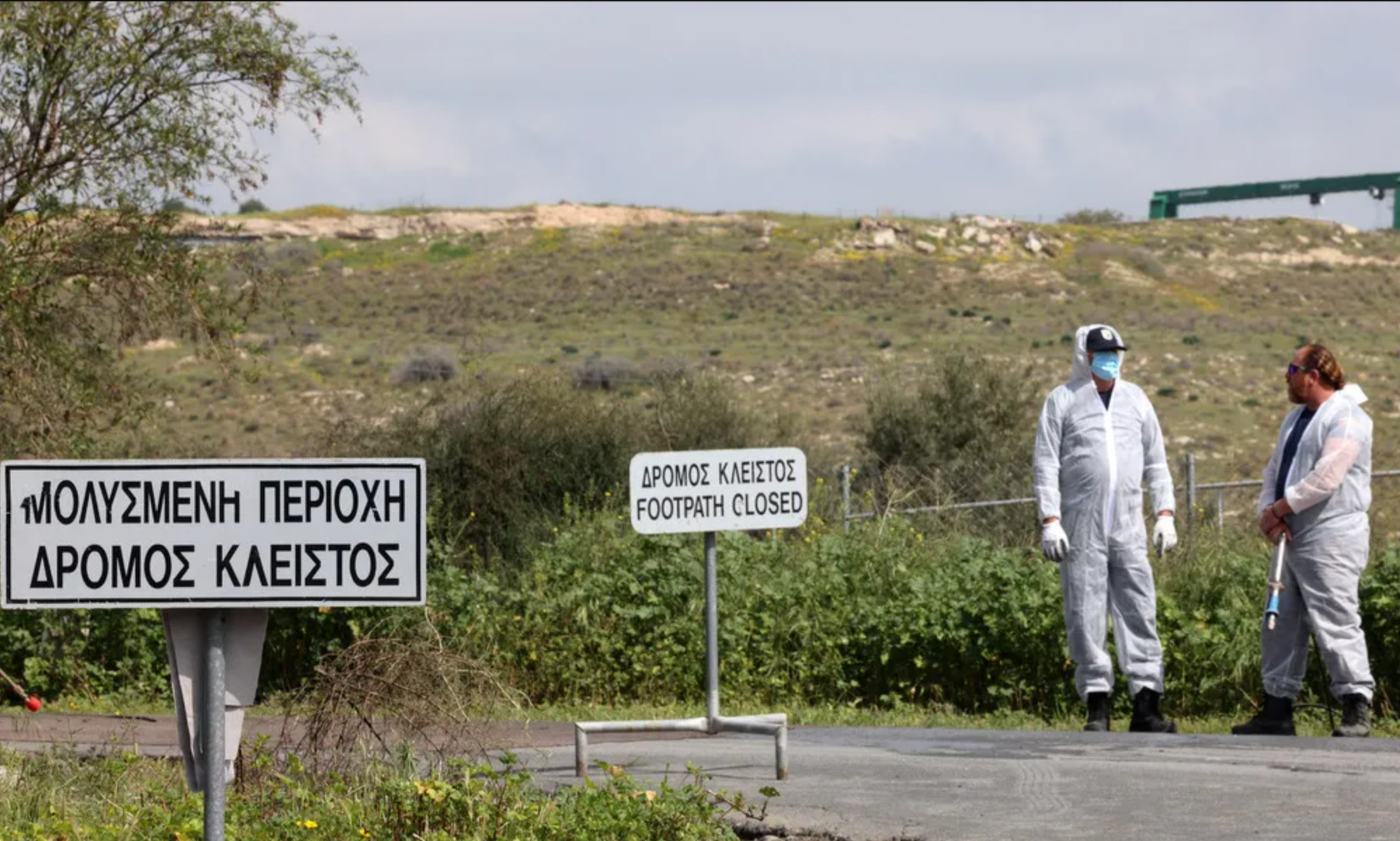
Recent outbreaks of Foot-and-Mouth Disease (FMD) in the European Union have once again demonstrated the crucial role of the human factor in the spread of the disease. According to experts, breaches in external biosecurity protocols were among the main reasons pig farms became infected during the outbreaks in Cyprus and on the Greek island of Lesvos.
Since the beginning of 2026, Cyprus has recorded 120 FMD outbreaks, while 84 outbreaks have been confirmed on Lesvos. In total, the disease has affected 204 farms. Most cases have been reported in sheep and goat holdings, as well as mixed farms with cattle. Experts believe the virus most likely originated from Turkey, where FMD remains endemic.
Despite the large number of outbreaks among ruminants, pig farms have been affected to a much lesser extent. In Cyprus, only three pig farms have been confirmed infected. All three were located close to each other, approximately 10 km east of the capital, Nicosia. Together, these farms housed more than 24,000 pigs.
According to Dr. Panagiotis Vougiouklakis, a swine veterinarian working in the Cypriot pig industry, pigs are generally better protected from infection because they are usually kept in closed housing systems. However, significant failures in external biosecurity are required for the virus to enter a pig farm.
“For a pig farm to become infected, serious biosecurity mistakes must occur. In this case, the human factor played a major role, as it has in many other situations during the current outbreak on the island,” the expert noted.
Specialists emphasize that infected pigs can shed hundreds or even thousands of times more virus through respiratory secretions than ruminants. Because the affected farms were located only a short distance apart, infection of one farm could easily have led to the rapid spread of the virus to neighboring holdings.
Despite the challenging epidemiological situation, many Cypriot pig producers remain cautiously optimistic. According to Dr. Vougiouklakis, numerous farms have invested heavily in external biosecurity and have successfully kept the virus out, even when located close to outbreak areas.
Nevertheless, the economic consequences remain significant. Cyprus produces approximately 550,000 pigs annually, and following the official confirmation of FMD, producers lost the ability to export around 1,000 surplus pigs per week to Greece. This has had a substantial impact on the sector’s profitability.
In Greece, the situation on Lesvos is considered relatively under control. Experts commend the rapid response of veterinary authorities, which helped contain the spread of the disease. However, temporary restrictions also disrupted exports to Balkan countries.
An additional challenge for pig producers in the region is the difficult economic environment. Industry representatives estimate that farmers have been losing around €30 per pig for several months. Hopes for stronger pork demand during the summer tourist season remain uncertain due to instability in the Middle East, which could negatively affect tourism flows.
The outbreaks in Cyprus and Greece once again highlight the critical importance of strict biosecurity measures. Experts stress that even when modern protection systems are in place, human behavior remains one of the weakest links in preventing the spread of serious animal diseases.
PigUA.info, based on information from Pig Progress