
The European Parliament has approved a package of legislative measures aimed at strengthening farmers’ position in the food supply chain and helping stabilize their incomes.
The new rules are designed to ensure a fairer distribution of value across the food chain and to help final food prices better reflect the actual costs incurred by producers.
One of the key provisions requires EU member states to establish and publish online benchmarks that can be used in contractual agreements between producers and buyers.
The legislation also significantly strengthens the role of Producer Organizations (POs) in market negotiations. In particular, producer organizations will gain greater opportunities to negotiate collectively with buyers on marketing and sales conditions.
In addition, new safeguards will prevent buyers from bypassing producer organizations and negotiating directly with individual farmers.
Special attention has been given to product labelling. The legislation clarifies the use of the terms “fair” and “equitable” in relation to agricultural products.
Such claims may only be used when specific criteria are met, for example when a product contributes to rural development or supports farmers’ organizations.
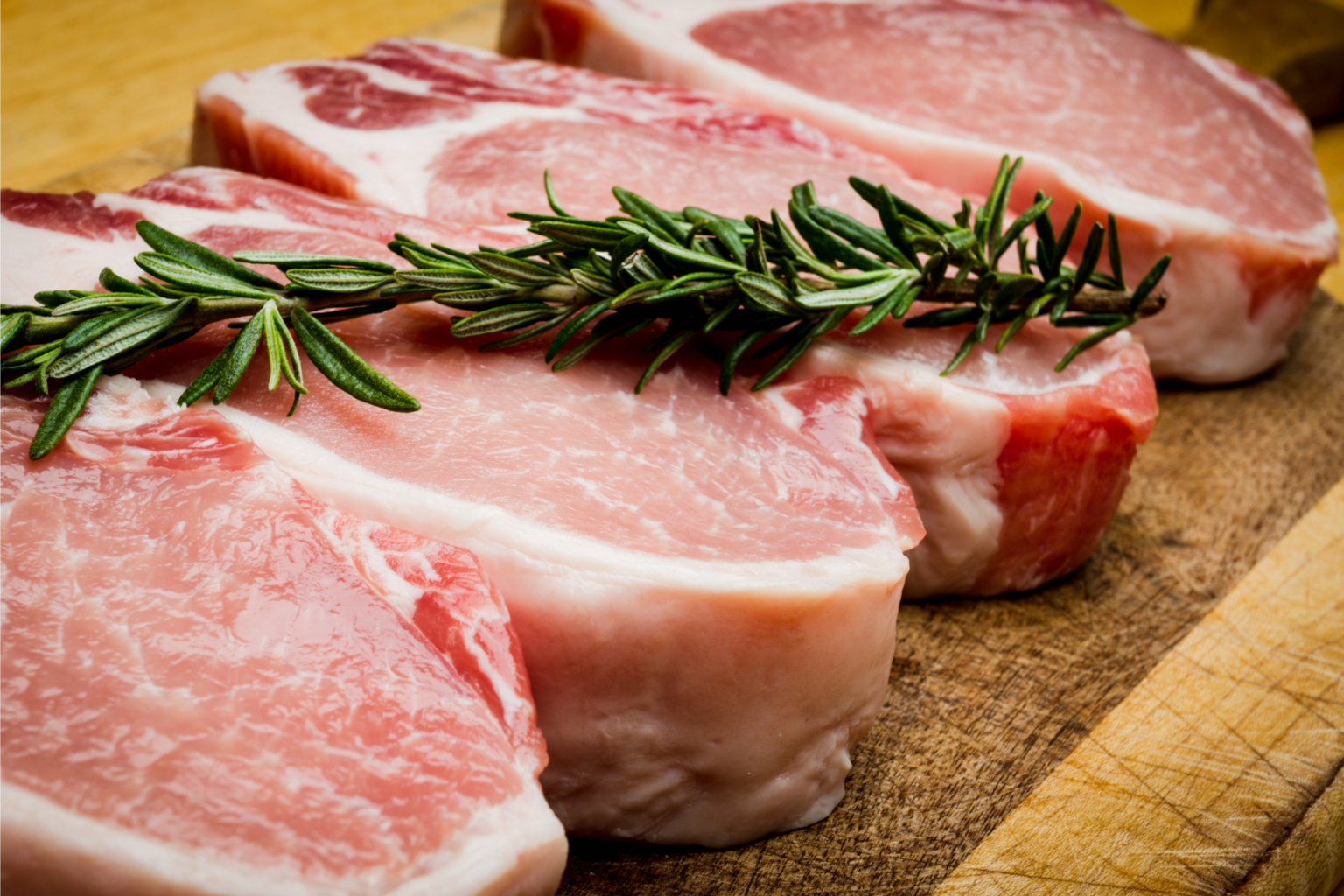
A separate section of the legislation concerns meat products. For the first time at EU level, meat is defined as “edible parts of animals.”
The regulation also establishes a list of terms that may be used exclusively for products containing meat. These designations will not be permitted for products produced without traditional animal-derived ingredients, including cultivated or cell-based meat products.
Protected terms include, among others, beef, veal, pork, lamb, poultry, chicken, turkey, duck, goose, bacon, steak, ribs, loin, tenderloin, shoulder, wing, breast, thigh, and other traditional meat-related designations.
According to the European Parliament, this approach is intended to improve market transparency and help consumers make more informed purchasing decisions.
The new rules also provide additional support for the dairy sector, which has faced challenging market conditions in recent years. In particular, dairy producers will benefit from mandatory written contracts with buyers, including mechanisms for price reviews and other protective provisions.
Following approval by the European Parliament, the legislative package must now receive final endorsement from the Council of the European Union. Once formally adopted, the new rules will enter into force across the EU.
Experts note that the measures could significantly strengthen farmers’ negotiating position, increase transparency within the food market, and ensure a fairer distribution of added value throughout the agri-food supply chain.
PigUA.info, based on materials from pig333.com