


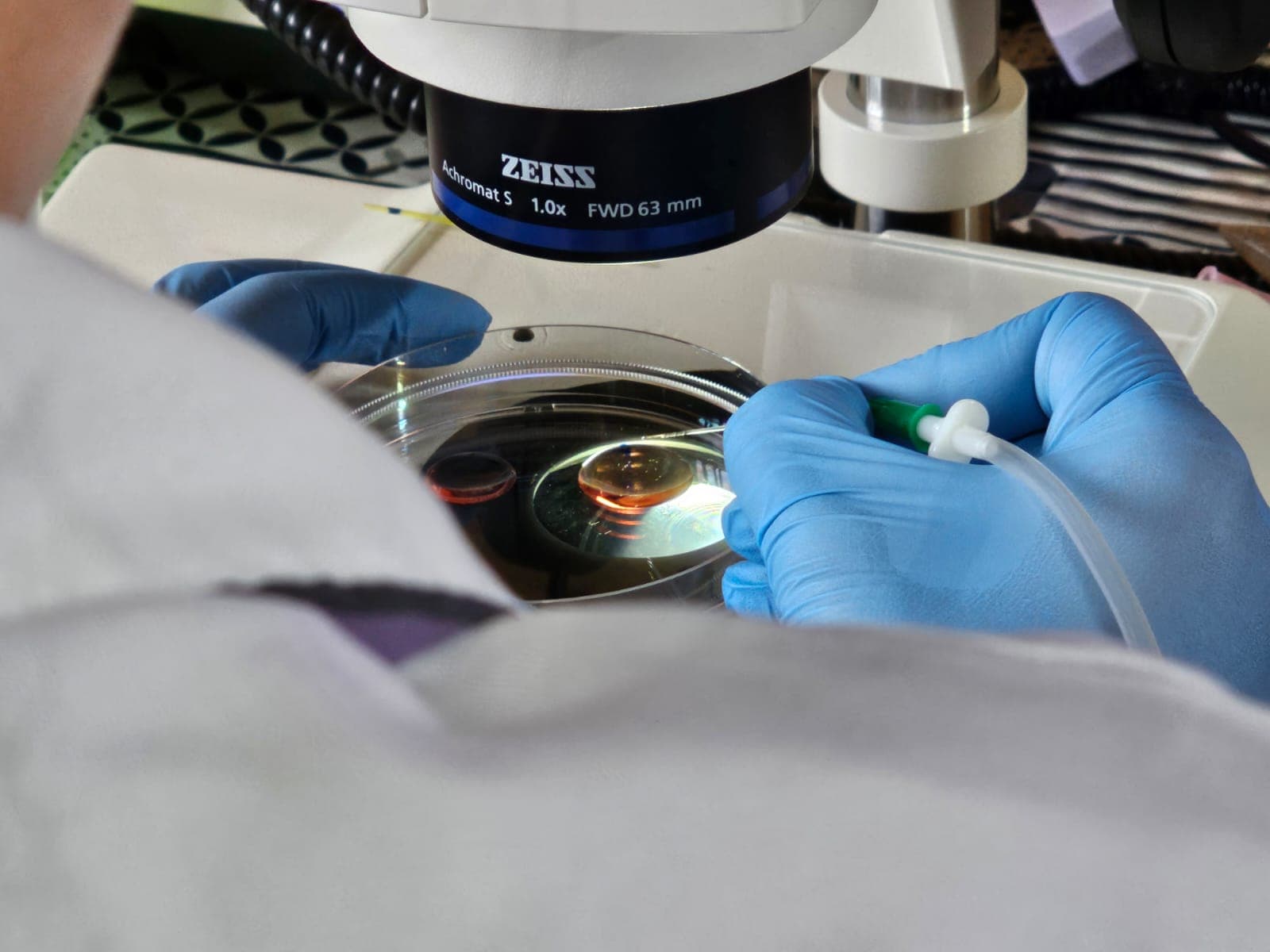
The research is being carried out by Embrapa Pig and Poultry. At the first stage, scientists are working with pig cells to identify genes involved in the interaction between the animal’s body and the ASF virus and determine whether targeted changes to these genes can reduce cellular susceptibility to infection.
The researchers are using the CRISPR/Cas system, which allows targeted modifications to be made at specific sites in DNA.
Brazil has remained free of ASF since the early 1980s, making prevention of the virus’s reintroduction one of the country’s key animal health priorities.
Researchers Are Studying Several Genes
Among the first targets for editing are the SLA-DMA and SLA-DMB genes. Previous studies by other research groups have suggested that they may play an important role in the interaction between pigs and the ASF virus.
The Embrapa team plans to investigate this using its own gene-editing methodology.
At the same time, the researchers are not expecting to identify a single universal “resistance gene”. According to project leader Dr Mariana Groke Marques, ASF is too complex a disease for modification of just one gene to guarantee the required level of protection.
The scientists therefore plan to investigate different points of interaction between the virus and the host and, in the longer term, assess whether several favourable genetic changes could be combined to produce pigs with lower susceptibility to infection.
Research Is Currently Limited to Laboratory Cells
The project is currently at the stage of developing and refining the experimental platform.
Researchers have already established pig fibroblasts in culture and carried out computational analyses to identify DNA sites that could be edited.
To deliver gene-editing components into the cells, the team is working with polyethyleneimine (PEI), a technology previously used by Embrapa to introduce genetic material and produce transgenic cells and embryos. The method now needs to be adapted specifically for gene editing.
However, the researchers stress that there is currently no evidence that the changes already introduced make the cells resistant to ASF.
The team must first confirm that the intended edits have been successfully made. The modified cells will then be tested to determine how they respond when exposed to the virus.
Only if the results are positive could the research progress to embryos and, subsequently, to the production of gene-edited animals.
Commercial Use Is Still a Long Way Off
Embrapa considers the potential use of gene-edited pigs in commercial production to be a medium- to long-term prospect.
In addition to proving the effectiveness of the technology, regulatory procedures will have to be completed, while issues related to acceptance by consumers and importing countries will also need to be addressed.
Researchers must also ensure that the genetic modifications do not cause unintended effects on the pigs’ development, reproduction, health or productivity.
“The aim is to produce a healthy animal that has a real advantage against ASF without the alteration having a detrimental effect on other characteristics. Its performance must be at least as good as that of non-edited animals,” said Mariana Groke Marques.
In the future, gene editing could provide an additional layer of biological protection, with part of the animal’s resistance to disease linked directly to its own genetic characteristics.
For Brazil, developing such technology before ASF appears in the country is seen as an opportunity to prepare the pig sector in advance for potential animal health threats.
PigUA.info, based on materials from foodagribusiness.world