


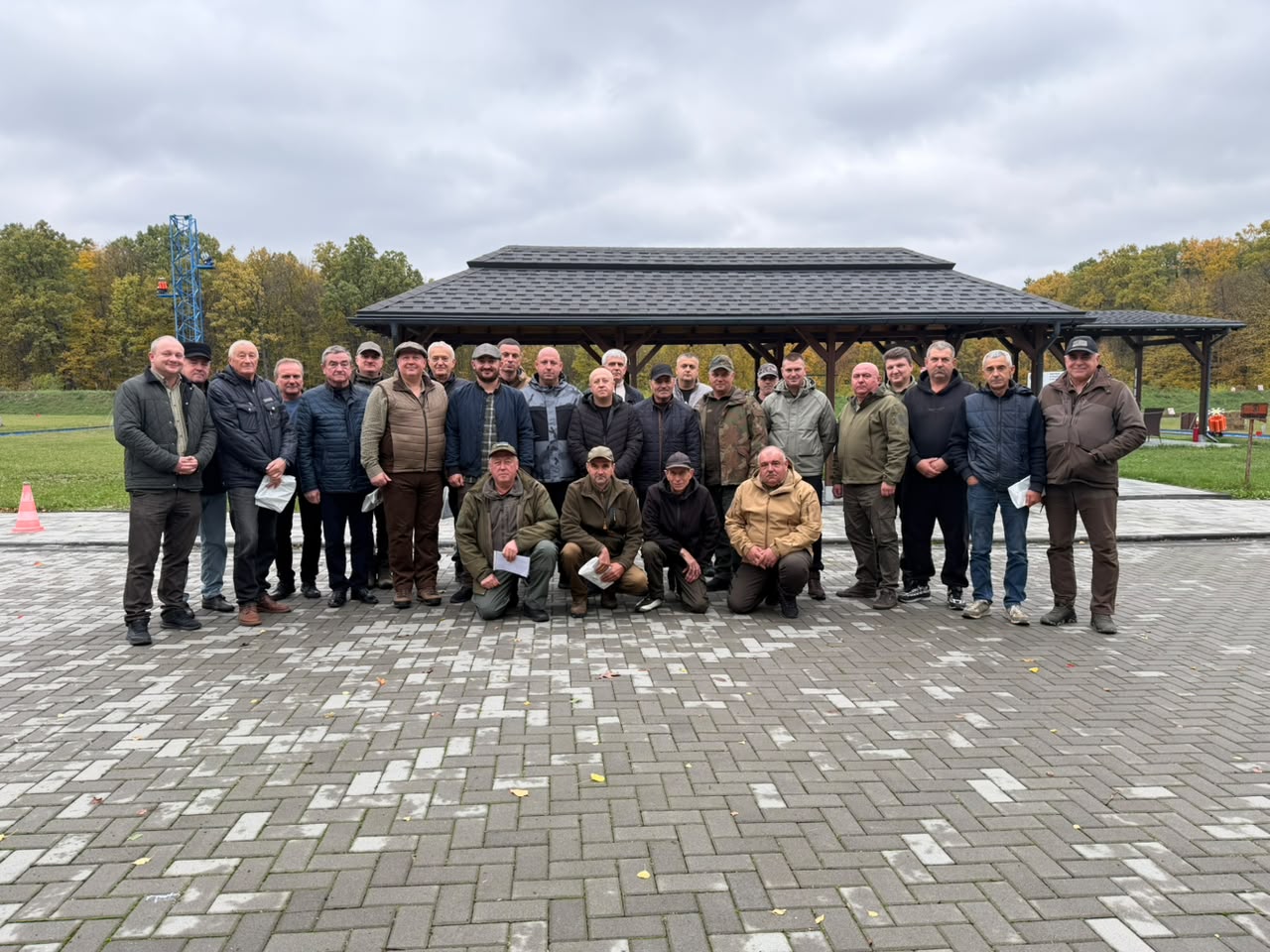
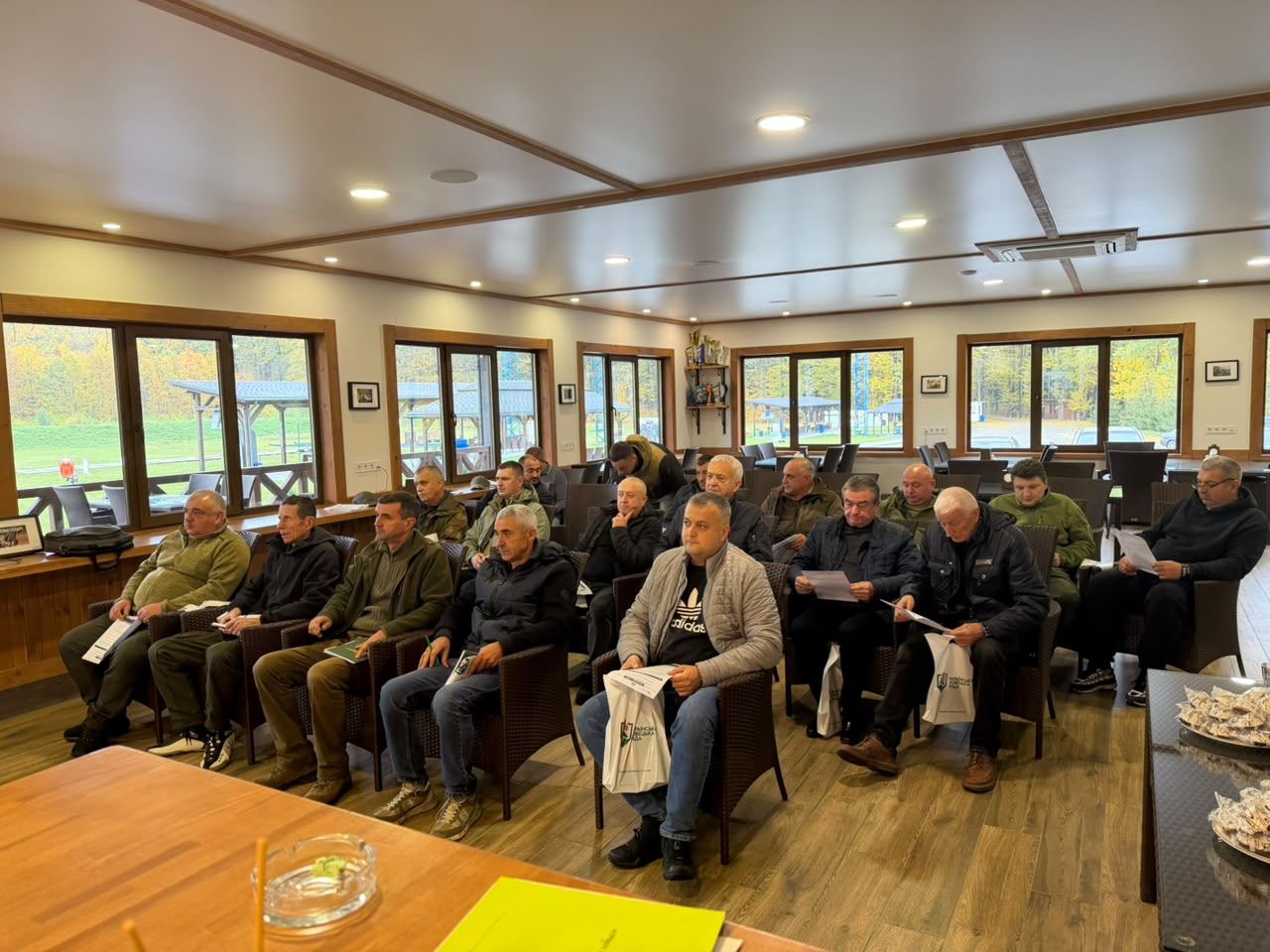
The first two training sessions brought together representatives of hunting grounds of different forms of ownership. The events combined theoretical and practical components so that participants could not only learn about biosecurity requirements but also practise applying them in hunting ground conditions.
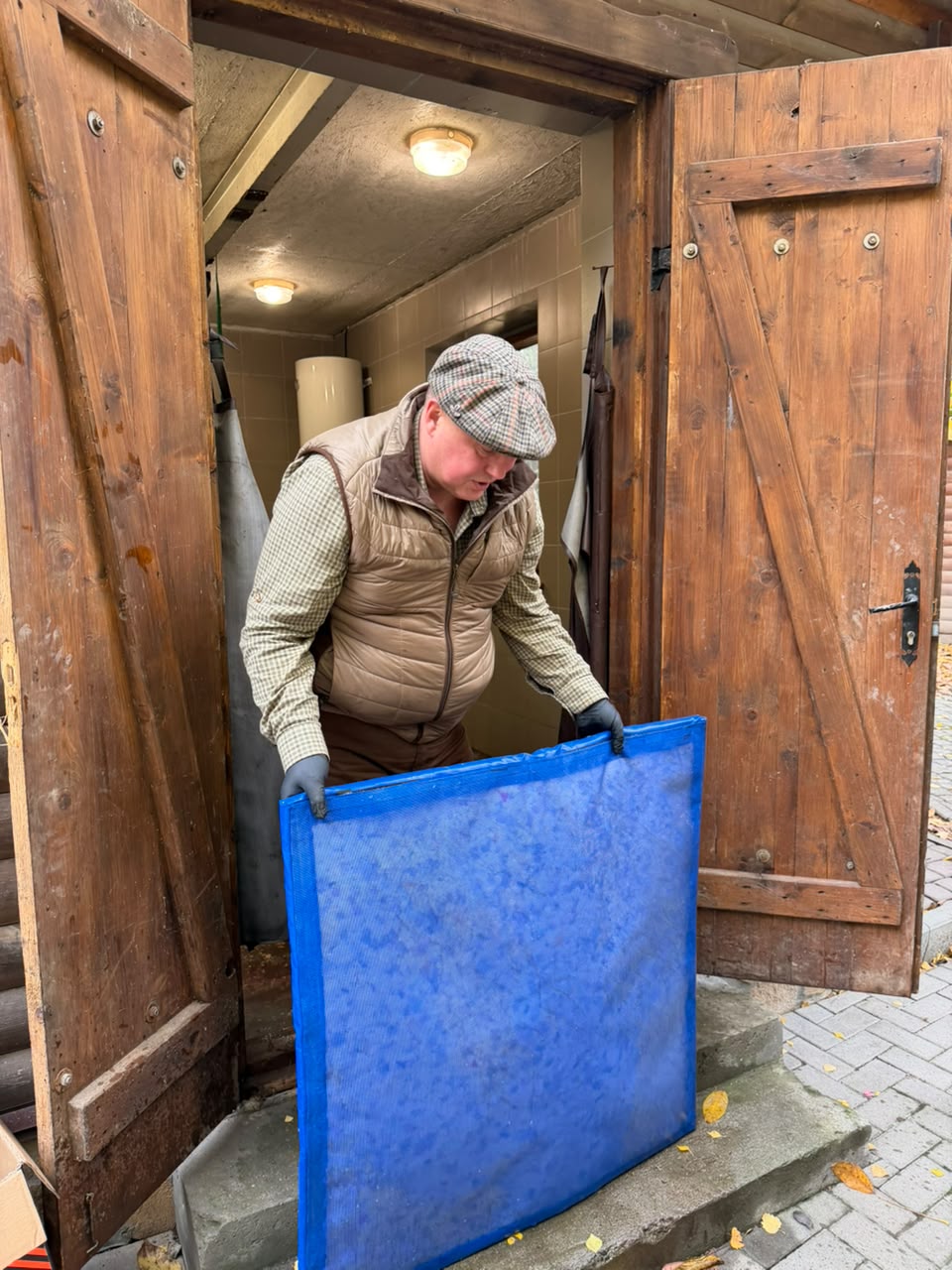
The theoretical component covered approaches to wild boar population management in ASF-affected countries, biosecurity principles and the organisation of appropriate infrastructure at hunting grounds. During the simulations, participants practised the sequence of actions from harvesting an animal through transportation, sample collection and carcase deboning. Particular attention was paid to minimising the risk of spreading disease-causing agents and complying with veterinary and sanitary requirements at every stage.
According to Oleksandr Revnivtsev, veterinarian and international expert on biosecurity at hunting grounds, the main objective of this type of training is to provide participants with a clear algorithm for working in hunting areas and an understanding of how each biosecurity measure helps prevent the spread of ASF.
“Hunters and hunting ground staff need to understand their role in this protection: identifying a dead animal in time, reporting the finding, and preventing the pathogen from being carried on footwear, equipment or vehicles. Simply listening to a lecture is not enough. Specific situations need to be practised, responsibilities assigned, and everyone must know whom to call and how to act,” Oleksandr Revnivtsev said.
 He stressed that biosecurity training for hunting grounds is an important investment in protecting the entire livestock sector, because ASF does not begin on a pig farm and does not end at its fence.
“The better the procedures are practised in hunting areas, the lower the chances of the virus reaching domestic pigs. And the stronger our shared protection becomes — from the forest to the pig farm,” Oleksandr Revnivtsev emphasised.
Overall, the series of simulation-based training sessions will cover six regions: Rivne, Khmelnytskyi, Ivano-Frankivsk, Zakarpattia, Cherkasy and Lviv. The next training sessions are scheduled to take place in the Ivano-Frankivsk and Zakarpattia regions on 27 and 29 October.