

North Rhine-Westphalia’s Agriculture Minister Silke Gorißen disclosed the cost of the disease-control measures in response to questions from members of the state parliament.
Around 515 km of protective fencing has already been installed across the region to limit the spread of the virus. According to the minister, the measures have prevented ASF from spreading extensively among wild boar.
The latest figures also provide grounds for cautious optimism. Only 18 newly infected carcasses were found in the region in July, compared with 124 confirmed cases in March, 137 in April and 120 in May.
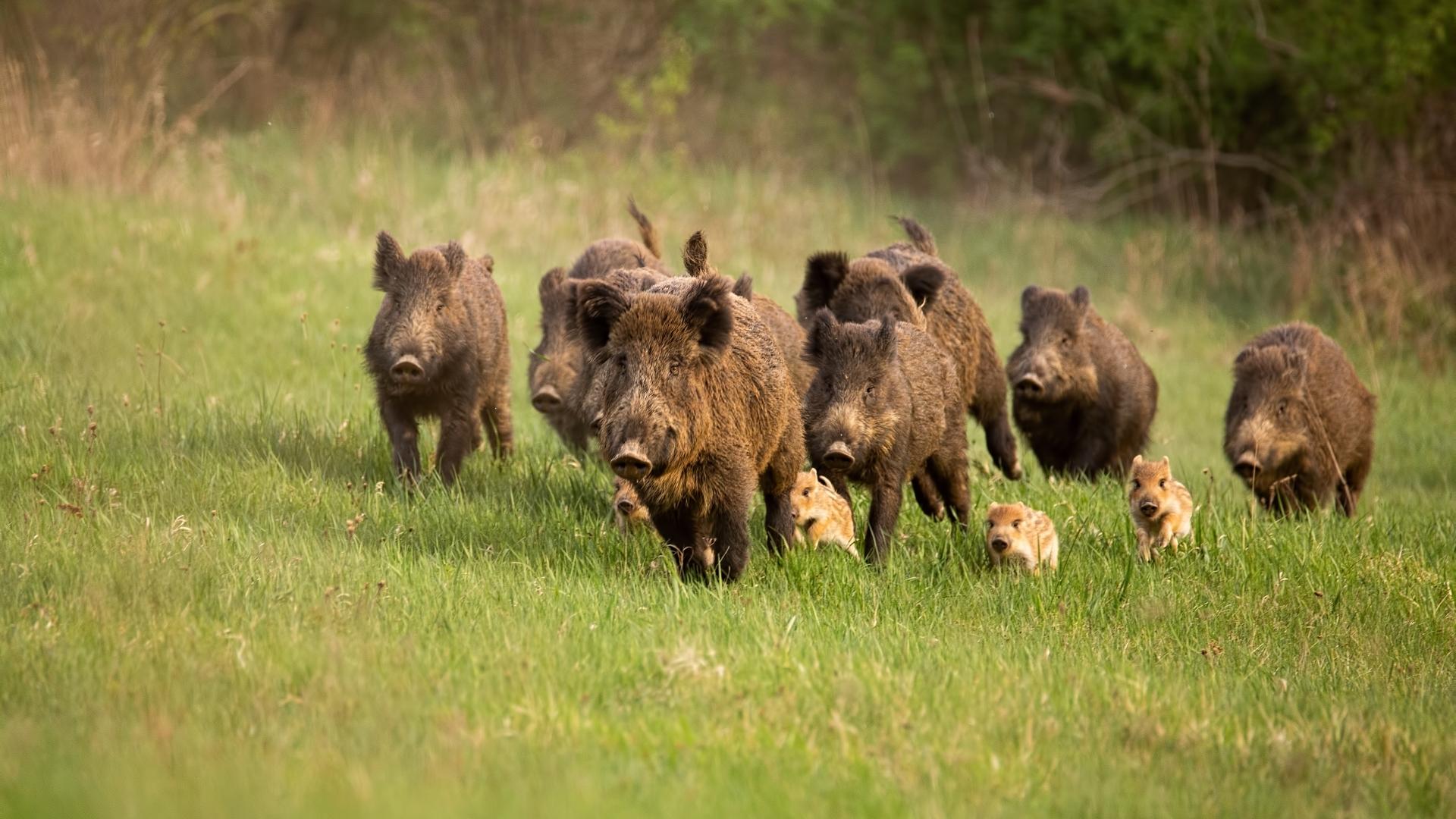
Since ASF was first confirmed in North Rhine-Westphalia on June 13, the total number of wild boar testing positive has reached 814. The largest numbers of cases were recorded in the districts of Siegen-Wittgenstein, with 408, and Olpe, with 368. A further 38 infected animals were detected in the Hochsauerland district.
Despite the substantial number of cases in wildlife, no pig farm in the federal state has yet reported an infection among its livestock.
Hunting Remains the Main Control Tool
Alongside protective fencing, reducing the wild boar population remains a key measure in controlling the virus. Around 8,000 animals have been shot in the affected areas since the outbreak began.
The authorities aim to establish protective corridors that are virtually free of wild boar, making it more difficult for the pathogen to spread further.
Because hunters are prohibited from selling meat from animals shot within the restricted zones, they receive a bounty for each wild boar. The state government has allocated €3.2 million for these payments.
Drones are also being used to assess the size of the population. During aerial surveys conducted in February and March 2026, around 500 wild boar were counted in the affected area. Following the breeding season, the population was estimated at approximately 1,500 animals.
Other ASF Zones in Germany Remain Under Control
Zones where the virus is circulating among wild boar are also in place in three other German federal states.
In Hesse, which experienced a major outbreak in recent years, 35 infected carcasses have been found since the beginning of 2026. In Saxony, 87 cases have been recorded since the virus re-emerged, including only two in July. In Brandenburg, nine infected animals were confirmed within a fenced corridor near the Polish border.
Meanwhile, the situation remains more challenging in neighbouring Poland. On July 22, the country confirmed its third ASF outbreak among domestic pigs in 2026, on a farm with more than 3,000 animals in the Kuyavian-Pomeranian Voivodeship. The farm is located approximately 2 km from another holding where the previous case was detected on July 7.
Since the beginning of the year, Poland has also confirmed 1,517 ASF cases among wild boar. However, three affected pig farms remains a relatively low figure: the virus was detected on 18 farms in 2025 and on a record 124 farms in 2021.
PigUA.info, based on materials from foodagribusiness.world