


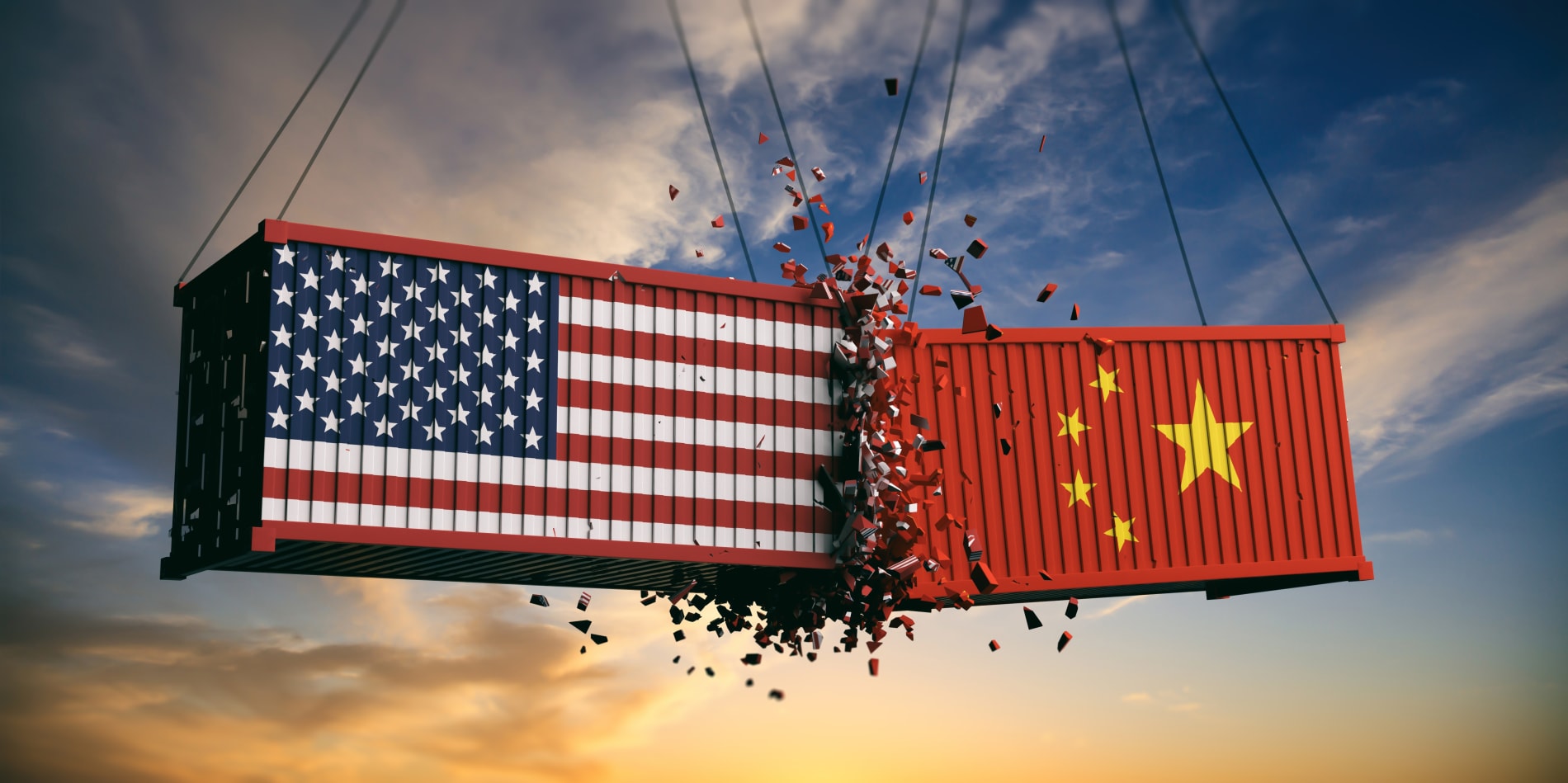
After the U.S. Supreme Court ruled that the broad tariffs, imposed under emergency powers legislation, were unlawful, market participants began questioning the likelihood of additional U.S. soybean purchases by China, which Donald Trump had previously announced.
Earlier, on February 4, Trump stated that China planned to buy an additional 8 million metric tons of U.S. soybeans, triggering a market rally — prices have risen by nearly 8.5% since then. However, analysts stress that without tariff pressure, the U.S. may lose its competitive edge, as Brazilian soybeans remain cheaper.
According to market experts, many traders were skeptical about such large purchase volumes even during the price rally. China has already bought around 12 million metric tons of U.S. soybeans as part of a trade truce reached last autumn, following a period of reduced imports from the United States.
Meanwhile, Brazil is currently harvesting a large crop, making its soybeans more price-competitive for Chinese importers. Without tariff leverage, analysts say U.S. soybeans could lose market share.
The Supreme Court’s decision has also added uncertainty to future U.S. trade policy, as it remains unclear whether the administration will be able to introduce new tariff mechanisms through other legal approaches.
Amid ongoing market volatility, U.S. farmers are preparing for a fourth consecutive year of low or negative profitability. The U.S. Department of Agriculture has announced an $11 billion support program, partly aimed at compensating producers for losses related to unstable export markets.
Analysts note that the дальней dynamics of the global soybean market will depend largely on future trade relations between the United States and China, as well as on whether China continues shifting purchases toward suppliers from Brazil and Argentina.
PigUA.info based on Reuters