
The so-called “substantial agreement” was announced on 22 September by EU Commissioner for Trade and Economic Security Maroš Šefčovič and Philippine Secretary of Trade and Industry Maria Cristina Aldeguer-Roque. The key parameters of the agreement have already been approved at political level, but still need to be incorporated into the legal text. The negotiating process is expected to be completed in the coming months.
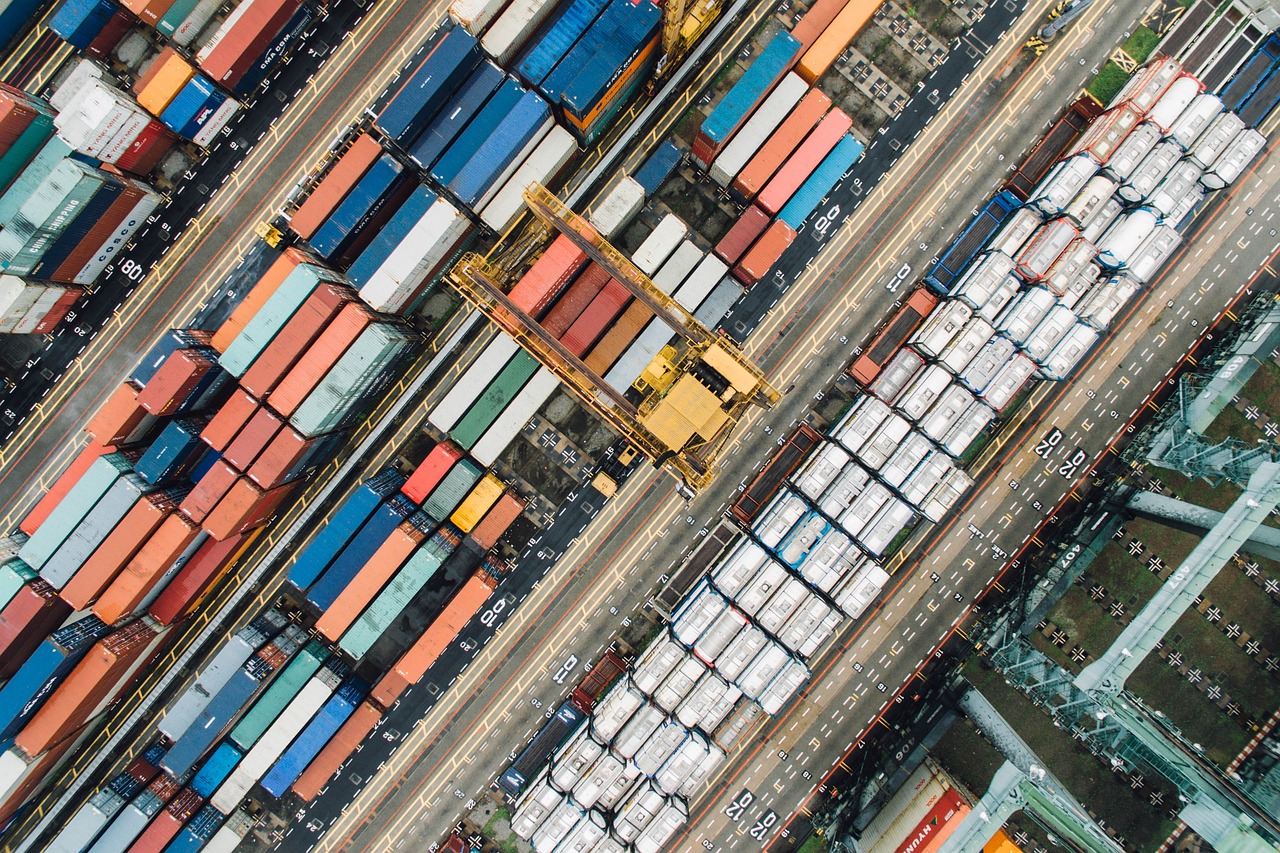
The future agreement provides for the elimination or reduction of a significant share of tariffs in bilateral trade. According to the European Commission, liberalisation will cover more than 94% of tariff lines, accounting for over 97% of bilateral trade in goods.
Among the key agri-food products exported by the EU to the Philippines, the European Commission lists pork and poultry meat, dairy products and alcoholic beverages. EU Commissioner for Agriculture Christophe Hansen also specifically noted that the two sides had agreed tariff preferences for important European export products, including pork.
At the same time, the specific tariff rates and schedules for their reduction across individual product categories have not yet been fully published.
According to the European Commission, bilateral trade in goods between the EU and the Philippines amounted to €17.6 billion in 2025, while trade in services totalled €10.3 billion in 2024.
In addition to agri-food products, improved access to the Philippine market is expected for European machinery, transport equipment, pharmaceuticals and medical products. The agreement will also include provisions on public procurement and the protection of EU geographical indications.
The agreement with the Philippines is part of the EU’s broader effort to deepen trade relations with Southeast Asia. The European Union already has trade agreements with Vietnam and Indonesia and continues negotiations with Malaysia and Thailand.
PigUA.info, based on materials from thepigsite.com