


Brazil and China signed the revised bilateral sanitary protocol on 26 September following negotiations involving Brazil’s Ministry of Agriculture and Livestock.
Previously, Brazilian pork offal had only limited access to the Chinese market. In particular, the state of Santa Catarina was authorised to export certain external parts of the carcase — feet, ears and tails — but not internal organs.
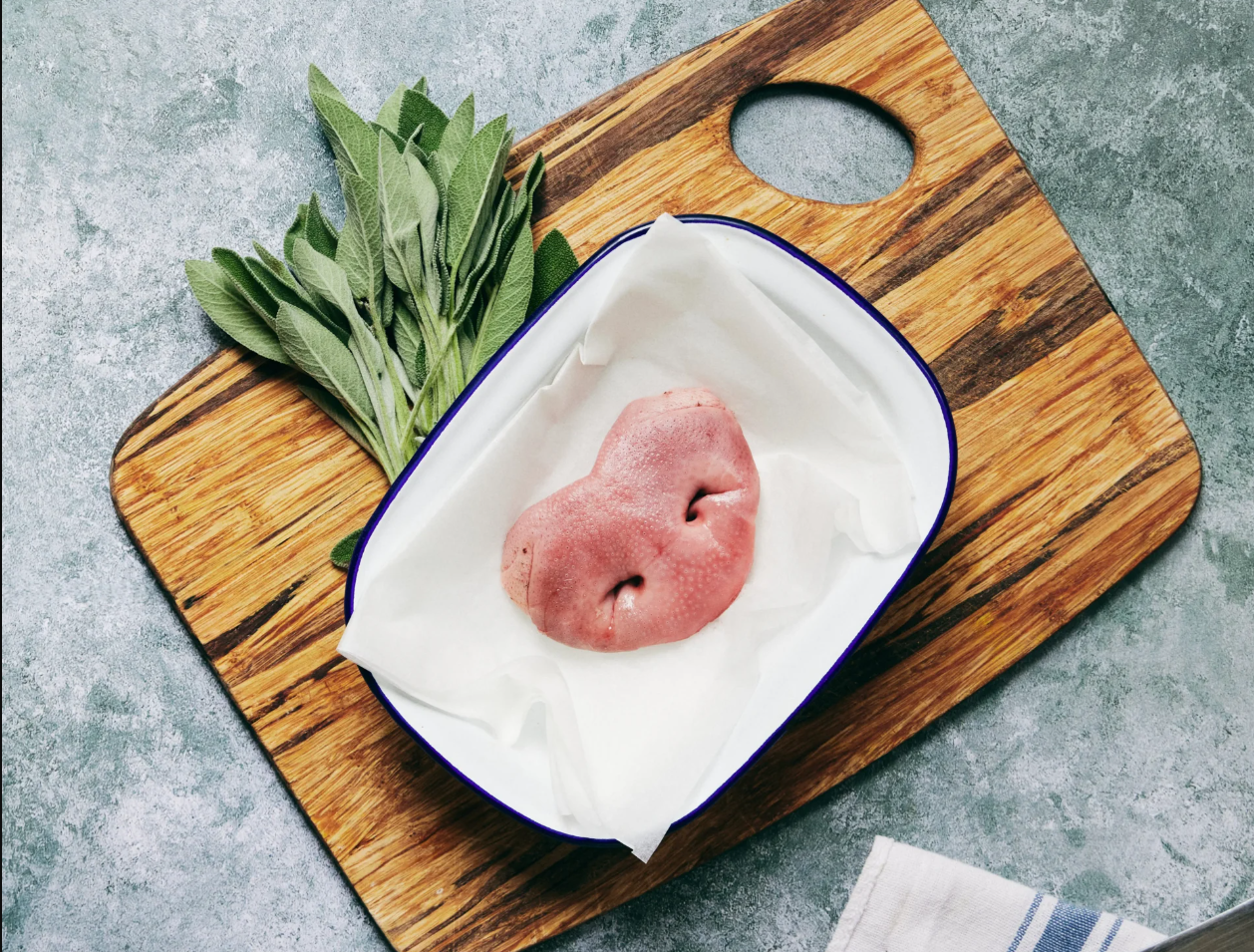
The new protocol expands the range of eligible products. It covers frozen boneless and bone-in pork muscle, fat, skin, cartilage and bones, as well as edible offal including tongues, snouts, ears, tails, feet, stomachs, livers, hearts, kidneys and diaphragms.
According to ABPA estimates, Santa Catarina alone could potentially export 65,900 tonnes of internal pork offal to China annually, while Rio Grande do Sul could supply more than 40,000 tonnes. The combined potential of the two states exceeds 100,000 tonnes per year.
ABPA notes that broader market access will allow producers to make more efficient use of the carcase and generate additional revenue from products that are in lower demand on the Brazilian domestic market but are popular among Chinese consumers.
China is already one of the key markets for Brazilian pork. Between 2013 and 2024, Brazil exported around 2.7 million tonnes of pork products to the country.
The expanded market access comes as Brazilian pork exports continue to grow in 2026. Between January and September, shipments reached 1.192 million tonnes, up 6.2% compared with the same period last year, while export revenue increased by 1.3% to $2.74 billion.
PigUA.info, based on materials from foodagribusiness.world